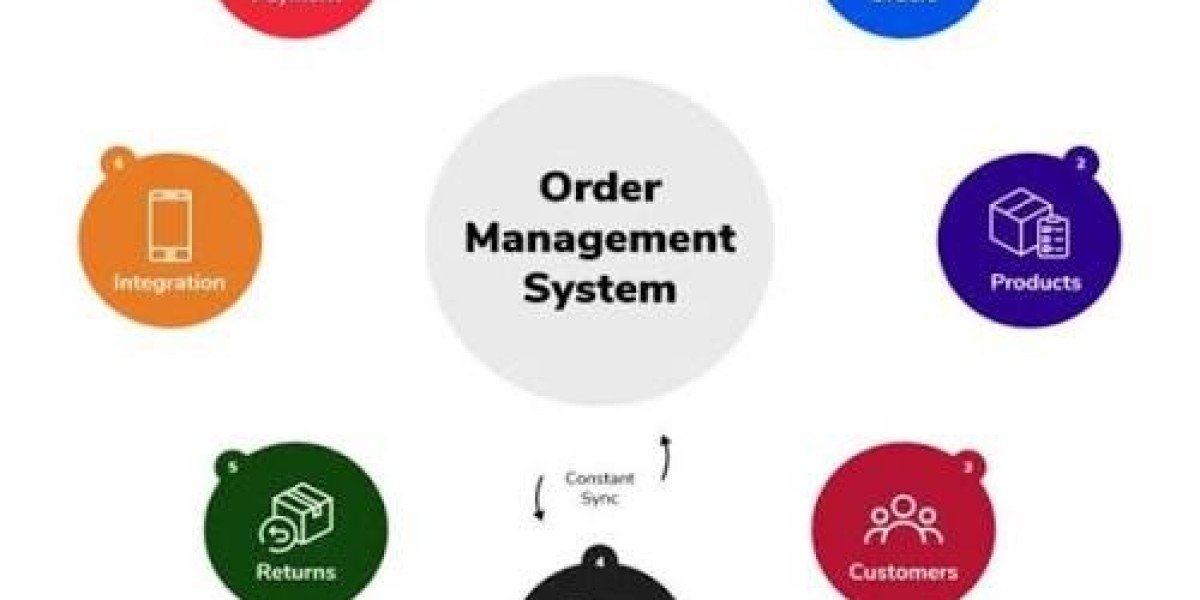

Running orders across multiple sales channels without a centralised system is one of those problems that starts manageable and gets out of hand fast. One channel shows stock available when another has already sold it. A customer emails asking where their order is, and you're switching between three dashboards to find out. Fulfilment errors go up as volume goes up, and the operational overhead of keeping everything straight starts eating into the time you should be spending on growth. A proper ecommerce order management system solves this — not by adding complexity, but by pulling everything into one place where it can actually be managed.
What Order Management Actually Involves
Most sellers think of order management as tracking what's been sold and when it ships. That's part of it, but a functioning order management system covers considerably more ground. It handles the full lifecycle of an order: from the moment a purchase is made on any channel, through inventory adjustment, picking and packing instructions, shipping label generation, tracking number syncing back to the customer, and status updates across every platform the order came from.
When that chain works smoothly, fulfilment runs efficiently and customers get what they paid for, on time, with accurate information at every step. When it breaks down — because systems aren't talking to each other, inventory counts are wrong, or orders from different channels have to be processed manually — errors multiply and customer experience suffers.
The fulfilment problems most ecommerce sellers encounter aren't really about fulfilment. They're about information — who has it, how current it is, and whether the people and systems doing the work are all looking at the same numbers.
Inventory Sync: The Foundation Everything Else Depends On
Overselling is one of the most damaging things that can happen to an ecommerce operation. A customer places an order, pays, and gets told it's out of stock — that interaction leaves a review, a chargeback request, or simply a lost customer who doesn't come back. It's entirely avoidable, but only if inventory data updates in real time across every channel the moment a sale is made.
This is where inventory management software ecommerce sellers rely on earns its keep. The moment a sale goes through on one platform, that unit is gone — and every other channel needs to know that before someone else tries to buy it. Manual updates can't keep pace with that. By the time you've logged into the third dashboard to adjust the count, another order may have already come in. Batch syncing that runs every few hours has the same problem. The only version that actually works is one where the number changes everywhere, at once, the second the sale happens. The system handles it automatically, and the risk of overselling drops to near zero.
The same logic applies to restocks. When inventory is replenished, those quantities need to flow back out to all channels without someone manually updating each listing. At small volumes this is tedious; at scale it becomes genuinely unworkable without automation.
Multi-Channel Fulfilment Without the Chaos
Selling across multiple channels — a Shopify store, a marketplace presence, and other platforms simultaneously — creates a coordination problem that grows with every channel added. Each platform has its own order format, its own fulfilment requirements, and its own customer-facing status updates. Keeping all of that consistent manually is the kind of work that doesn't scale.
A centralised order management system pulls all incoming orders into a single interface regardless of source. The seller sees one unified queue rather than five separate dashboards. Orders can be processed, routed to the right fulfilment location, and dispatched without switching between platforms — and tracking information syncs back to each channel automatically once the order ships.
This matters for customer experience because buyers expect the same quality of communication regardless of where they purchased. An order placed on a marketplace should get the same timely dispatch confirmation and tracking update as an order placed directly on a branded store. Without centralised management, that consistency is difficult to deliver.
Bulk Order Processing and Custom Pricing Rules
High-volume sellers face a specific set of problems that low-volume operations don't encounter. Processing orders individually works at 20 orders a day; it doesn't work at 200. Bulk order processing — the ability to action multiple orders simultaneously, print shipping labels in batches, and apply fulfilment rules automatically — is what makes high-volume ecommerce operationally viable.
Custom pricing rules add another layer of control. Sellers watching competitor pricing or adjusting margins by channel can't afford to update every SKU by hand each time something shifts. At a handful of products that's tedious; at hundreds it simply doesn't get done, and prices go stale. Custom rules handle this in the background — the right price goes live on the right channel without anyone touching it.
Multi-Location Fulfilment and Warehouse Management
Where an order ships from is just as important as whether it ships at all. A customer in Manchester shouldn't wait four days for a package leaving a Glasgow warehouse when a closer facility had stock sitting idle. Getting that routing right manually — across dozens of daily orders from multiple channels — is the kind of decision-making that burns time and still produces errors. An order placed by a customer on the east coast should ship from the nearest warehouse, not the most convenient one for the seller. Multi-location fulfilment logic automates this routing, reducing shipping costs and improving delivery times without requiring manual decision-making on every order.
Warehouse-level stock visibility — knowing exactly what's at each location, not just what's in total inventory — is the prerequisite for this to work. The order management system needs to see location-specific quantities to route orders correctly.
The Operational Shift a Good System Enables
The real value of a well-implemented ecommerce order management system isn't just operational efficiency — it's the headspace it frees up. When orders are processing accurately, inventory is syncing in real time, and fulfilment is routing itself correctly, the mental load of running day-to-day operations drops significantly. That attention goes back to the things that actually grow a business: sourcing, marketing, customer relationships, and expanding into new channels.
MySellingHub is built for multi-channel ecommerce sellers who need centralised order management, real-time inventory sync, bulk processing, and multi-location fulfilment — all from a single platform designed to scale with the business.