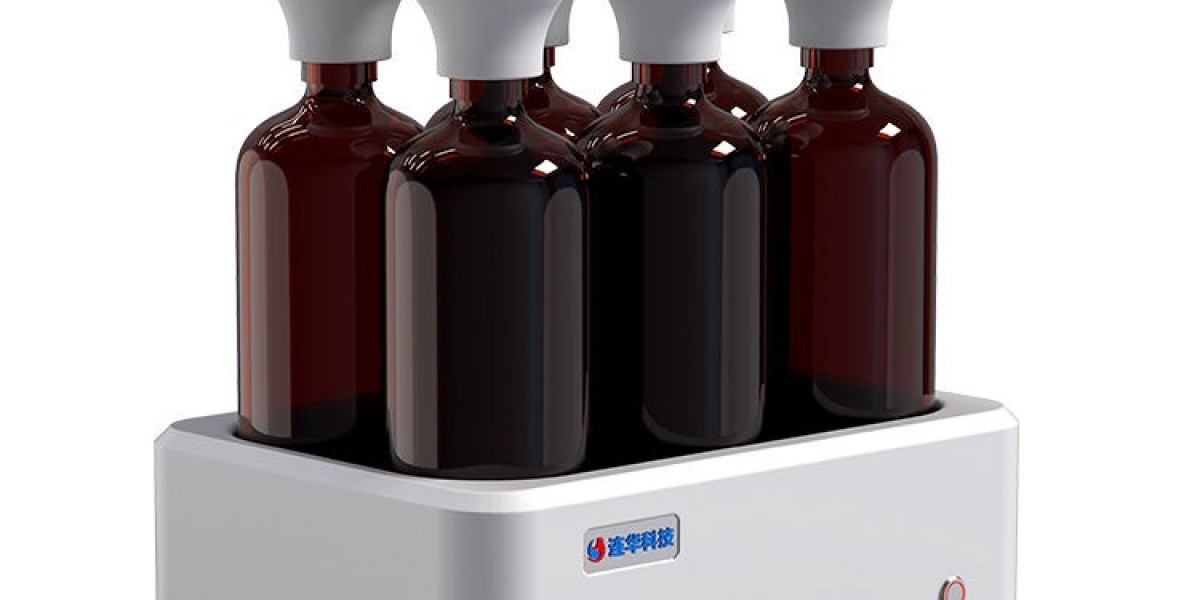

BOD5 Biochemical Oxygen Demand Testing
If you have spent any time in the water quality testing world, you have undoubtedly heard people talk about BOD5 as if it is the gold standard for measuring organic pollution. But have you ever stopped to ask why this particular five-day test holds so much authority? The answer lies in how closely BOD5 mimics what actually happens in nature. Unlike chemical oxygen demand, which uses strong oxidizers to force a reaction, biochemical oxygen demand measures the oxygen consumed by microorganisms as they break down organic matter, just like they would in a river or lake. That connection to real-world conditions is what makes BOD5 so trusted by regulators and environmental scientists worldwide.
The BOD5 test is essentially a simulation of natural biodegradation. You take a water sample, dilute it with oxygen-saturated water, and seed it with a microbial population that is accustomed to consuming organic waste. Then you measure the dissolved oxygen concentration immediately, seal the sample in a BOD bottle, and incubate it in the dark at 20°C for exactly five days. After that incubation period, you measure the dissolved oxygen again. The difference between the initial and final readings, adjusted for dilution, gives you the BOD5 value in milligrams per liter. What makes this test so meaningful is that it directly correlates with the oxygen-depleting impact that wastewater will have when discharged into a natural water body. A high BOD5 means high organic loading, which can lead to fish kills and ecosystem damage. That is why municipal wastewater treatment plants and industrial facilities are required to monitor BOD5 as part of their discharge permits.
Modern BOD apparatus has made this classic test much more manageable than it used to be. In the past, technicians had to manually measure dissolved oxygen using titration methods, which was time-consuming and prone to error. Today, a biochemical oxygen demand analyzer like the LH-BOD606 benchtop 12-position BOD meter or the LH-BOD312 can automate much of this process. These instruments use manometric or electrochemical sensors to track oxygen consumption continuously over the five-day period, giving you real-time data without constant manual intervention. Some BOD analyzers can even handle multiple samples at once, which is a huge advantage for busy laboratories. The key is choosing equipment that delivers the precision and reliability you need. Whether you are running a small municipal lab or a large industrial testing facility, having a dependable BOD meter ensures that your results are defensible and your operations stay compliant.