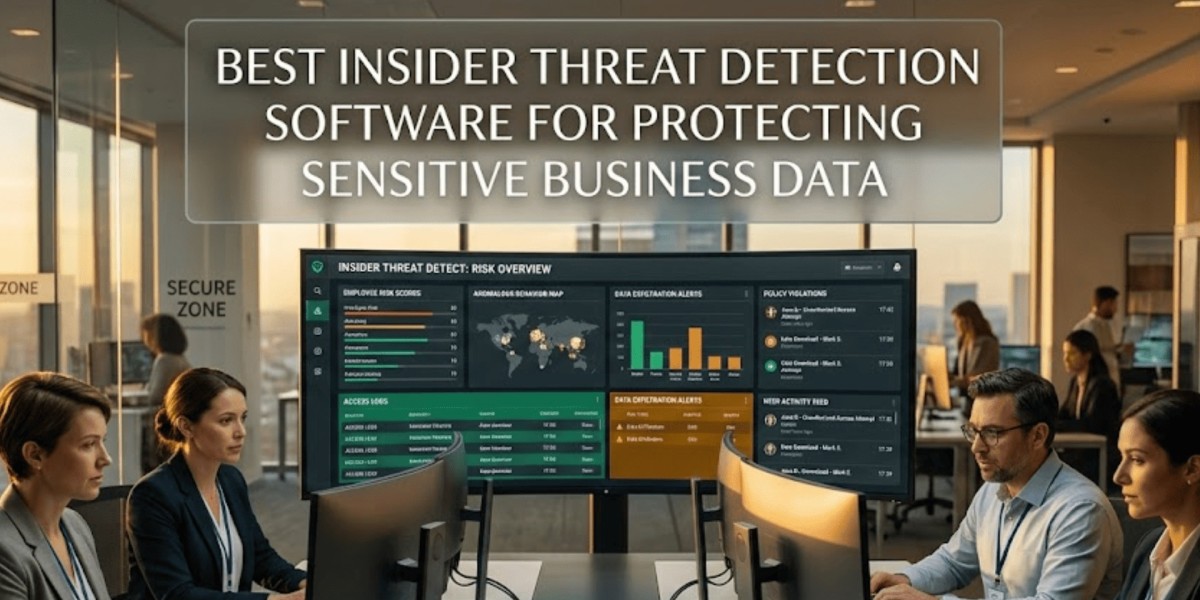

Employees, contractors, vendors, and trusted partners often need access to critical business systems and sensitive information. But what happens when that access is misused—whether intentionally or accidentally? Organizations face growing risks from internal actors who may expose confidential data, violate security policies, or create vulnerabilities that lead to costly breaches.
The most effective way to reduce these risks is by implementing insider threat detection software that continuously monitors user behavior, identifies anomalies, and alerts security teams to suspicious activities before significant damage occurs.
Quick Answer
Insider threats are security risks that originate from individuals with legitimate access to organizational resources. Modern threat detection platforms help organizations:
- Monitor employee and contractor activities
- Detect unusual behavior patterns
- Identify potential data theft attempts
- Investigate security incidents faster
- Support compliance and risk management efforts
- Protect sensitive intellectual property and customer data
Organizations of all sizes can benefit from proactive monitoring and behavioral analytics to strengthen their cybersecurity posture.
What Is an Insider Threat?
An insider threat occurs when a trusted individual misuses authorized access in a way that compromises an organization's security, data, or operations. Insider threat detection software helps security teams identify these risks early by flagging unusual behavior, excessive file access, or suspicious login patterns before damage spreads.
Common insider threats include:
- Malicious employees stealing confidential information
- Disgruntled workers sabotaging systems
- Contractors accessing unauthorized resources
- Accidental data exposure caused by human error
- Credential misuse or account compromise
Unlike external attacks, insider threats are particularly challenging because the user often has legitimate access to systems and data.
Why Are Insider Threats Increasing?
Several workplace trends have expanded the insider threat landscape:
Remote and Hybrid Work
Employees now access corporate systems from multiple devices and locations, creating additional security challenges.
Cloud Adoption
Organizations increasingly rely on cloud applications and storage platforms, resulting in more distributed data environments.
Growing Data Volumes
Businesses generate and store larger amounts of sensitive information than ever before, making data protection increasingly complex.
Third-Party Access
Vendors, consultants, and contractors often require system access, increasing the number of potential risk points.
Key Features to Look For
When evaluating security solutions, organizations should focus on capabilities that provide visibility, detection, and response.
User Behavior Analytics (UBA)
Behavior analytics establishes a baseline of normal user activity and identifies deviations that may indicate risky behavior.
Examples include:
- Unusual login times
- Excessive file downloads
- Access to unfamiliar systems
- Unauthorized privilege escalation
Real-Time Monitoring
Continuous monitoring enables security teams to detect suspicious actions as they occur rather than after a breach has already happened.
Automated Risk Scoring
Advanced platforms assign risk scores to users based on observed activities, helping security teams prioritize investigations.
Incident Investigation Tools
Comprehensive audit trails and activity logs simplify forensic analysis and accelerate incident response.
Policy-Based Alerts
Security administrators can configure alerts for predefined risk scenarios such as:
- Large file transfers
- Unauthorized USB usage
- Sensitive document access
- Privileged account misuse
How Does Insider Threat Monitoring Work?
Most solutions follow a structured process:
1. Data Collection
The platform gathers activity data from:
- Endpoints
- Email systems
- Cloud applications
- Network infrastructure
- Identity management systems
2. Behavioral Analysis
Machine learning and analytics evaluate user actions against established behavioral baselines.
3. Threat Detection
The system identifies activities that may indicate:
- Data exfiltration
- Credential abuse
- Policy violations
- Unauthorized access attempts
4. Alerting and Response
Security teams receive notifications and can investigate, contain, and remediate threats quickly.
Benefits for Modern Businesses
Organizations implementing comprehensive insider threat programs often experience significant security improvements.
Enhanced Data Protection
Sensitive files, intellectual property, customer information, and financial records receive stronger protection from unauthorized access.
Faster Incident Response
Automated alerts help security teams identify and address suspicious activities before they escalate.
Reduced Financial Risk
Preventing a major data breach can save organizations substantial remediation, legal, and reputational costs.
Improved Compliance
Many regulatory frameworks require organizations to monitor access to sensitive information and maintain detailed audit records.
Integrating with Existing Security Tools
Effective insider threat programs work best when integrated into a broader cybersecurity strategy.
Organizations frequently combine these solutions with:
- Security Information and Event Management (SIEM) platforms
- Identity and Access Management (IAM) systems
- Endpoint Detection and Response (EDR) solutions
- Data loss prevention software
- Security awareness training programs
This layered approach improves visibility across the entire security ecosystem and strengthens overall risk management.
Best Practices for Successful Implementation
Technology alone cannot eliminate insider risks. Organizations should combine monitoring capabilities with strong governance practices.
Establish Clear Security Policies
Employees should understand acceptable usage policies and data handling requirements.
Follow the Principle of Least Privilege
Grant users only the access necessary to perform their job responsibilities.
Conduct Regular Access Reviews
Periodically review permissions to ensure access remains appropriate.
Provide Security Training
Educate employees about cybersecurity risks, social engineering tactics, and responsible data handling.
Maintain Transparency
Organizations should clearly communicate monitoring policies while respecting employee privacy and applicable regulations.
Choosing the Right Solution
When selecting insider threat detection software, consider:
- Scalability for future growth
- Cloud and hybrid environment support
- Ease of deployment
- Integration capabilities
- Reporting and compliance features
- Analytics and machine learning capabilities
- Vendor support and expertise
A solution that aligns with business objectives and security requirements will provide the greatest long-term value.
You can also watch this video: EmpMonitor: All-In-One Workforce Management Solution | Employee Monitoring Software
Summary
Insider threats remain one of the most challenging cybersecurity risks because they originate from trusted users with legitimate access to organizational resources. By combining insider threat detection software with strong security policies, behavioral analytics, employee training, and access controls, organizations can significantly reduce the likelihood of data breaches and unauthorized activities.
Businesses that proactively monitor user behavior, investigate anomalies, and respond quickly to potential threats are better positioned to protect sensitive information, maintain compliance, and strengthen overall cybersecurity resilience.
FAQ
What is the primary purpose of insider threat detection software?
Its primary purpose is to identify suspicious user behavior, detect potential security risks, and prevent unauthorized access or data theft before significant damage occurs.
Who can be considered an insider threat?
Employees, contractors, consultants, vendors, and anyone with authorized access to organizational systems can potentially become an insider threat.
Can insider threats be accidental?
Yes. Many incidents result from human error, such as sharing sensitive information, misconfiguring permissions, or falling victim to phishing attacks.
Is insider threat monitoring only for large enterprises?
No. Small and medium-sized businesses also face insider risks and can benefit from monitoring, analytics, and proactive security controls.