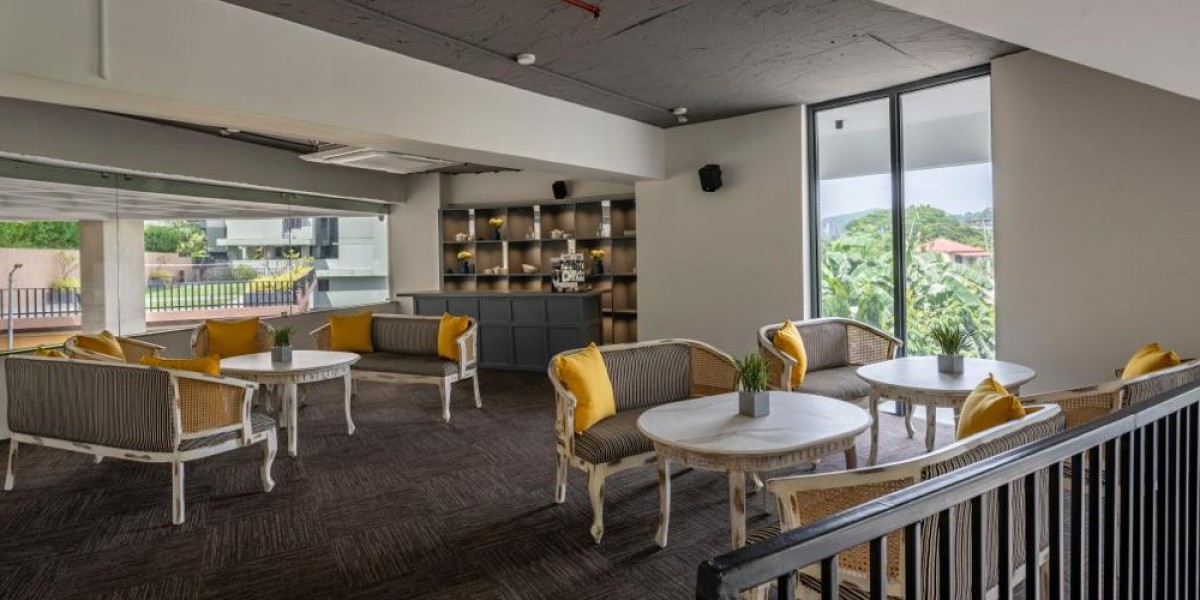

When customers visit a restaurant, their experience is shaped by much more than the quality of the food. The ambiance, service, lighting, and seating all contribute to the overall impression. Among these factors, chair design plays a surprisingly significant role in influencing comfort, mood, and the amount of time guests choose to stay. Well-designed seating can improve customer satisfaction, encourage repeat visits, and even contribute to positive online reviews.
For restaurant owners and hospitality professionals, understanding the relationship between furniture design and customer experience is essential. Every seating choice should balance comfort, aesthetics, durability, and functionality to create an environment that meets customer expectations while supporting operational efficiency.
Why Chair Design Matters in the Dining Experience
Restaurant chairs are not simply functional pieces of furniture. They directly influence how comfortable guests feel throughout their meal. If seating is uncomfortable, customers may shorten their visit, affecting both satisfaction and spending behavior. On the other hand, chairs that provide proper support encourage diners to relax and enjoy their experience.
Elements such as seat height, backrest angle, cushioning, arm support, and material selection all contribute to the overall comfort level. These details may appear minor individually, but together they significantly affect customer perception.
Comfort Creates Positive Customer Impressions
Comfort is one of the strongest contributors to customer satisfaction in the hospitality industry. Guests who feel physically comfortable are more likely to enjoy conversations, order additional courses, and spend more time in the establishment.
Restaurants serving long meals often benefit from ergonomically designed seating, while fast-casual establishments may prefer seating that balances comfort with efficient customer turnover. Choosing appropriate furniture depends largely on the restaurant's service style and target audience.
Ergonomic Features That Improve Satisfaction
Effective restaurant chair design often includes:
- Proper lumbar support
- Comfortable seat depth
- Stable construction
- High-quality cushioning
- Durable upholstery
- Appropriate seat height for dining tables
These ergonomic considerations help reduce fatigue and improve the overall dining experience.
Design and Brand Identity Work Together
Furniture also communicates a restaurant's personality. Guests often form first impressions before even reading the menu, making visual consistency especially important.
Whether the interior reflects modern minimalism, rustic charm, industrial styling, or luxury dining, seating should complement the restaurant's design language. Cohesive furniture choices strengthen brand identity and create memorable customer experiences.
For businesses exploring sourcing options, understanding different Restaurant Furniture Suppliers can provide valuable insight into available styles, materials, and customization possibilities.
Material Selection Influences Customer Perception
The material used in restaurant seating affects both aesthetics and long-term performance. Wood offers warmth and timeless appeal, metal provides durability and a contemporary appearance, while upholstered seating delivers enhanced comfort.
Easy-to-clean surfaces are equally important, helping restaurants maintain hygiene standards without sacrificing visual appeal. Investing in durable materials also reduces replacement costs over time.
Restaurants evaluating production quality often compare offerings from experienced Restaurant Furniture Manufacturers to ensure furniture meets commercial durability requirements.
Matching Seating to Restaurant Layout
Different dining concepts require different seating solutions. Space planning should prioritize customer comfort while maintaining efficient staff movement.
Individual Seating
Traditional Restaurant Chairs provide flexibility for changing layouts and accommodating varying group sizes. They are particularly suitable for establishments that frequently rearrange seating for events or reservations.
Coordinated Dining Surfaces
Comfort extends beyond the chair itself. Properly matched Restaurant Tables ensure appropriate legroom, dining posture, and accessibility, creating a balanced dining environment.
Space-Efficient Seating
For restaurants seeking to maximize seating capacity without sacrificing guest comfort, Restaurant Booths offer privacy, efficient space utilization, and a cozy dining atmosphere that many customers appreciate.
Premium Lounge Areas
Upscale restaurants, cafés, and hospitality venues often incorporate a Restaurant Sofa in waiting areas or lounge sections to create a more relaxed and inviting environment before or after dining.
Outdoor Seating Requires Specialized Design
Outdoor dining continues to grow in popularity, making furniture selection increasingly important. Exterior seating must withstand changing weather conditions while remaining comfortable and visually appealing.
Factors such as UV resistance, moisture protection, lightweight construction, and corrosion-resistant materials contribute to long-lasting performance. Businesses expanding patio dining often evaluate specialized Outdoor Restaurant Furniture designed specifically for commercial outdoor environments.
Maintenance and Durability Support Long-Term Satisfaction
Even the most attractive chair loses its appeal if it becomes unstable, worn, or difficult to clean. Regular maintenance helps preserve appearance and ensures a consistently positive customer experience.
Restaurant operators should routinely inspect seating for loose joints, damaged upholstery, or surface wear. Preventive maintenance not only extends furniture lifespan but also reinforces customer confidence in cleanliness and professionalism.
Conclusion
Restaurant chair design is far more than an interior design decision—it is a key component of customer satisfaction. Comfortable, well-designed seating enhances the dining experience, strengthens brand identity, supports operational efficiency, and encourages repeat business. By carefully considering ergonomics, materials, layout, durability, and overall aesthetics, restaurants can create welcoming spaces where guests genuinely enjoy spending time. Thoughtful furniture choices ultimately contribute to a more memorable dining experience, benefiting both customers and the business over the long term.