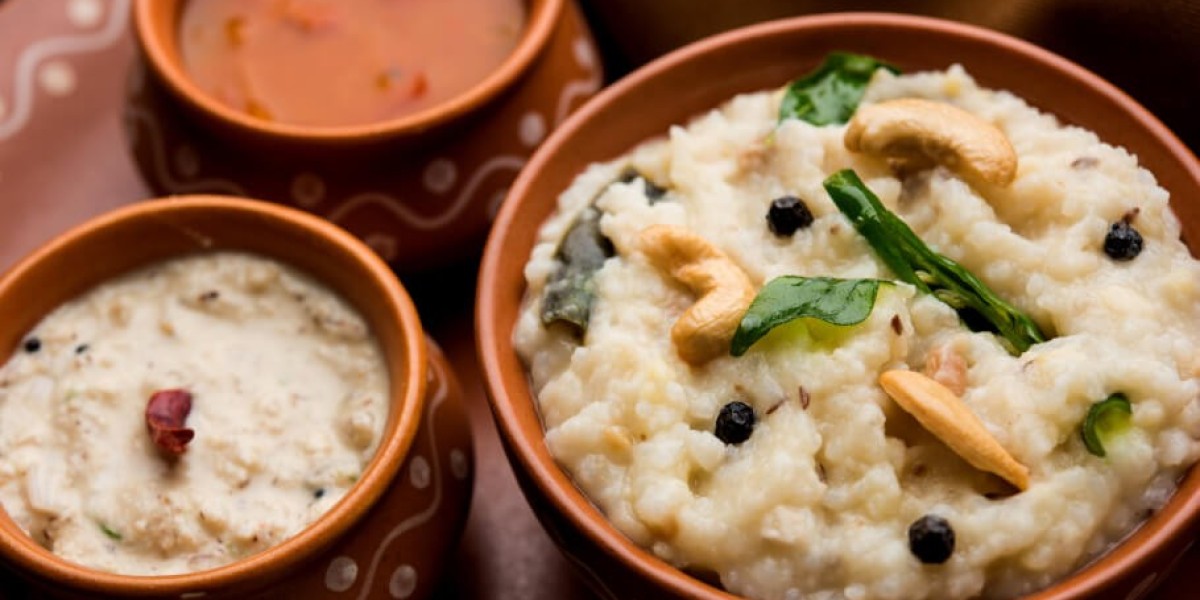

Diabetes-Friendly Puli Pongal Recipe: A Traditional South Indian Dinner with Brown Rice
What Is Puli Pongal?
Pongal is one of the most popular traditional dishes from Tamil Nadu and is prepared in several regional variations. Among them, Puli Pongal stands out for its tangy flavor created by tamarind and its comforting texture.
Unlike classic pongal recipes that are often mild and creamy, Puli Pongal has a distinctive balance of sour, spicy, and savory notes. Traditionally made using rice and tamarind, this variation uses broken brown rice instead of polished rice, creating a more wholesome version while preserving familiar flavors.
This recipe is simple to prepare and works well as a light lunch or dinner option.
Why Brown Rice Is Used in This Recipe
Traditional polished rice can be replaced with brown rice to introduce more whole grains into meals.
Broken brown rice provides:
Whole grain texture
Greater meal variety
Better satiety
Traditional taste with simple modifications
This recipe combines brown rice with tamarind and tempering spices to create a balanced and flavorful dish.
What Makes Puli Pongal Unique?
Puli Pongal differs from regular pongal because of its tangy tamarind base.
Key characteristics include:
Soft and lightly set texture
Tamarind flavor
Aromatic tempering
Quick preparation
Flexible serving options
The finished dish can be enjoyed warm or cooled and sliced before serving.
Ingredients
Main Ingredients
1 cup broken brown raw rice
1 lemon-sized ball of tamarind
Salt to taste
4–5 stevia drops (optional)
For Tempering
2 tbsp gingelly oil
1 tsp mustard seeds
1 tsp chana dal
1 tbsp peanuts
10–12 dried red chillies
Few curry leaves
¼ tsp turmeric powder
¼ tsp asafoetida (hing)
Step-by-Step Method
Step 1: Prepare Tamarind Extract
Soak tamarind in hot water for approximately 30 minutes.
Once softened:
Squeeze thoroughly
Extract the pulp
Add water repeatedly if needed
The final tamarind liquid should remain slightly thin.
Aim for approximately 2½ times the quantity of rice.
Keep aside.
Step 2: Prepare the Tempering
Heat gingelly oil in a heavy pan.
Add:
Mustard seeds
Chana dal
Allow the seeds to splutter.
Cook until the dal becomes lightly golden.
Next add:
Peanuts
Red chillies
Curry leaves
Sauté over low heat for 1–2 minutes until aromatic.
Sprinkle asafoetida.
Stir briefly.
Step 3: Add Tamarind Water
Pour the prepared tamarind extract into the pan.
Allow it to come to a gentle boil.
Add:
Salt
Turmeric powder
If using stevia drops, add them toward the end of this stage.
Mix well.
Step 4: Add Brown Rice Gradually
Once the tamarind liquid begins boiling:
Slowly add broken brown rice.
Add gradually while stirring continuously.
This helps:
Prevent lumps
Distribute rice evenly
Maintain smooth texture
Continue stirring until the liquid begins reducing.
Step 5: Cover and Cook
Once most of the liquid has been absorbed:
Reduce flame to low.
Cover the pan.
Cook for approximately 10 minutes.
Allow the rice to soften completely.
The final consistency should remain soft but not sticky.
Step 6: Shape and Cool
Grease a flat thali plate lightly with gingelly oil.
Transfer the cooked mixture.
Flatten evenly using a wooden spatula.
Allow it to cool slightly.
Cut into square portions before serving.
Serving Suggestions
Puli Pongal pairs well with:
Onion raita
Vegetable sides
Fresh salads
Light chutneys
These additions complement the tangy flavor of the dish.
Tips for Better Texture and Flavor
For best results:
Use broken brown rice for even cooking
Keep tamarind water slightly thin
Stir continuously while adding rice
Avoid overcooking after water absorption
Adjust chilli quantity based on preference
These simple techniques help maintain traditional texture.
Why Traditional One-Pot Meals Remain Popular
Recipes like Puli Pongal continue to remain popular because they are:
Easy to prepare
Flexible to customize
Made with simple ingredients
Suitable for everyday cooking
Traditional cooking methods often combine grains, spices, and minimal preparation into satisfying meals.
Conclusion
Puli Pongal is a flavorful South Indian recipe prepared using tamarind, aromatic tempering, and broken brown rice. Its tangy taste, soft texture, and simple cooking process make it a practical meal option for everyday cooking.
By combining traditional ingredients with whole grain choices, this recipe offers a satisfying variation of a classic Tamil Nadu favorite.
Read more about managing diabetes naturally, visit our website.