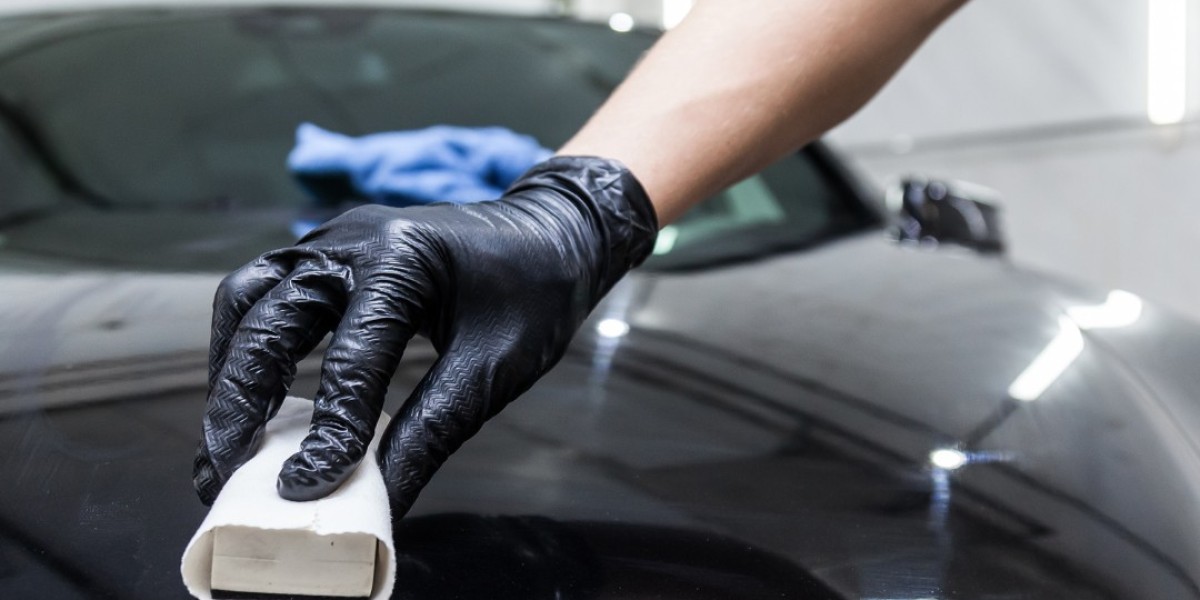

In the first 30 days after applying the best ceramic coating for cars, your vehicle goes through a controlled curing phase where the coating slowly bonds with the factory clear coat. This period is not just about appearance; it is about chemical stability, surface bonding, and long-term protection formation. While the car may look glossy immediately after application, the real performance builds gradually over time.
Understanding this stage is important because many car owners assume the job is complete once the coating is applied. In reality, this is when the coating is most sensitive and most dependent on proper ceramic coating aftercare.
What Actually Happens Beneath the Surface
Once applied, ceramic coating begins a chemical reaction with the paint layer. This process creates a semi-permanent bond that strengthens over time. During the early phase, solvents inside the coating slowly evaporate while the protective layer hardens.
This means the coating is not instantly at full strength. It is still forming its structure at a microscopic level, which is why exposure to water, chemicals, or improper washing can interfere with the final result.
At the same time, hydrophobic properties start developing. This is when you begin noticing water beading and smoother surface behavior. However, these effects are still in their early stage and will become stronger as curing progresses.
Proper ceramic coating aftercare during this phase ensures:
Stronger bonding with the paint surface
Better long-term gloss retention
Improved resistance against contaminants
More consistent water repellency over time
Why the First Month Matters So Much
The first 30 days act like a foundation-setting phase. Think of it as the period where the coating is “learning” the surface of your car and locking itself into place. Any disruption during this time can affect durability and performance.
Environmental exposure, cleaning habits, and even parking conditions can influence how well the coating cures. That is why professional detailers always emphasize controlled maintenance during this stage, especially for anyone using the best ceramic coating for cars for long-term protection.
How Performance Develops Over Time
The coating does not reach full strength immediately. Instead, its performance gradually improves as the bonding process completes. You may notice changes in shine, water behavior, and surface smoothness as days pass.
This gradual improvement is a normal part of the curing cycle and is a key reason why ceramic coating aftercare is so important in the early phase.
Days 1–7: The Critical Bonding Stage
The first week is the most delicate period after applying the best ceramic coating for cars. During this time, the coating is still actively bonding with the paint surface. The car may look glossy and finished, but underneath, the coating is still soft and forming its base layer.
Days 8–15: Early Hardening Phase
During this phase, the coating begins to stabilize more visibly. Water starts to bead more clearly, and the surface feels smoother during touch-free cleaning. However, full hardness is still developing, so gentle care remains necessary.
Days 16–25: Strength Development Phase
At this point, the coating starts showing its full protective behavior. Dirt does not stick as easily, and cleaning becomes more efficient. The best ceramic coating for cars begins delivering stronger resistance against environmental exposure, but full curing is still in progress.
Days 26–30: Full Curing Completion Phase
By the end of this period, the coating reaches full cure and delivers maximum performance. The surface shows strong gloss, stable hydrophobic behavior, and improved resistance against contaminants. The bonding is now complete, and normal maintenance routines can safely resume.
Common Mistakes During the First 30 Days
Many car owners unintentionally reduce coating performance by washing too early, using harsh chemicals, or exposing the car to unnecessary contamination. These mistakes can interfere with the curing process and reduce the long-term effectiveness of the best ceramic coating for cars.
Final Thoughts
The first 30 days after applying the best ceramic coating for cars are not just a waiting period; they are the foundation of long-term protection. With proper ceramic coating aftercare, the coating fully bonds, strengthens, and delivers its intended durability. Treating this phase correctly ensures your vehicle maintains its gloss, protection, and easy maintenance benefits for years to come.
Author Bio
Written by a car care professional with hands-on experience in auto detailing, paint protection, and ceramic coating applications. With years of working on daily-driven vehicles and high-end finishes, the focus is on helping car owners understand real-world results instead of marketing claims.
FAQs
How long does ceramic coating take to fully cure on a car?
Ceramic coating usually takes around 30 days to fully cure. While the surface may feel dry within hours, the bonding process continues underneath. Proper care during this time is important for long-term results.
Can I wash my car after applying ceramic coating?
It is recommended to avoid washing the car for at least the first 7 days after application. Early washing can interfere with curing and reduce the effectiveness of the best ceramic coating for cars.
What should I avoid after ceramic coating application?
You should avoid automatic car washes, harsh chemicals, heavy rain exposure in the first few days, and any abrasive cleaning methods. These can affect the coating during its curing stage.
Why are the first 30 days important for ceramic coating?
This period allows the coating to fully bond with the paint surface. The strength, gloss, and protection level of the coating develop gradually, making ceramic coating aftercare essential during this time.
Does ceramic coating work immediately after application?
It starts working right away in terms of appearance and light protection, but full durability and hydrophobic performance develop over time as the coating cures.
How do I maintain ceramic coating aftercare properly?
Use gentle washing methods, pH-neutral products, and microfiber towels. Avoid harsh scrubbing and allow proper curing time before resuming regular washing routines.