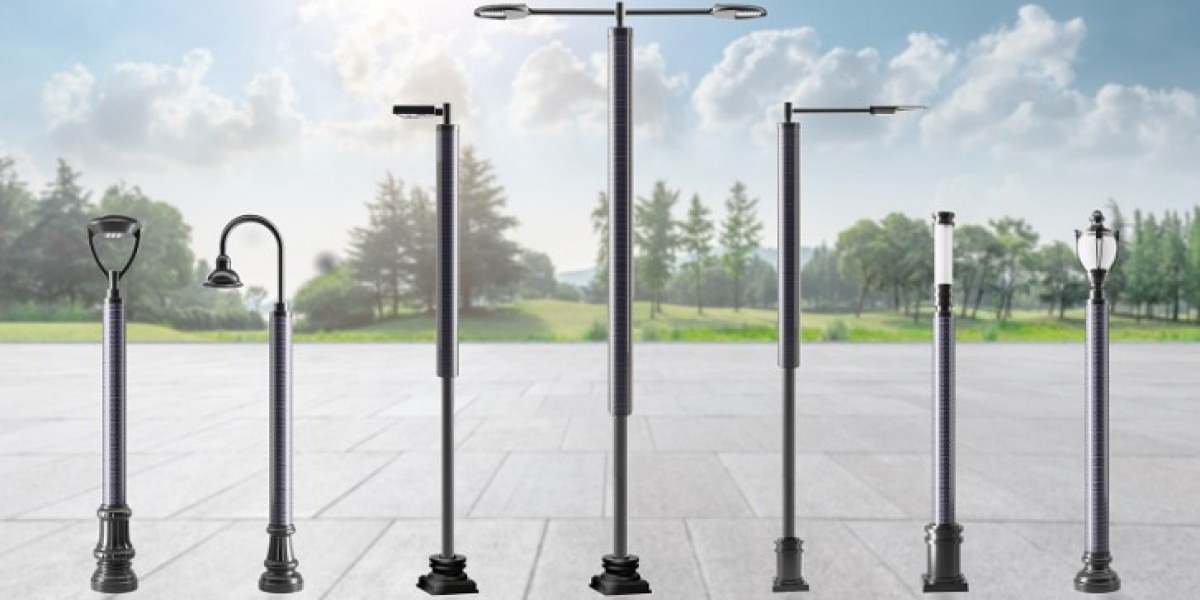

A poorly lit intersection. A parking lot where visibility drops the moment the sun goes down. A campus pathway that feels unsafe after dark. These are not isolated complaints; they are patterns that public works departments across the USA deal with routinely, and they carry real consequences for public safety. Solar Outdoor Lighting Installation addresses these gaps directly, without requiring grid access or disruptive underground wiring. This blog walks through how the technology works, how long it lasts, and what agencies need to understand before moving forward.
Do Outdoor Solar Lights Need Electricity?
No, and that distinction is what makes solar outdoor lighting genuinely practical for public agencies managing sites where grid access is limited, costly, or simply unreliable. Each system operates as a self-contained unit, collecting and storing its own energy throughout the day and delivering consistent illumination through the night without drawing anything from the utility network.
Collection of Solar Panels
The solar panels fixed on each pole collect the solar power during the day and transform it into stored electrical energy. This collection system operates automatically without any intervention throughout the day and is not connected to any external source of energy.
In-Built Battery Energy Storage
Energy collected is transferred to the built-in battery system, which stores energy till the lights turn on when it gets dark. It uses this stored energy for light during nighttime and then charges again the next day automatically.
Output of LED Fixtures
Efficient LED fixtures use stored energy of batteries to provide efficient lighting in roadways, parking lots, walkways, and other public places, using very little energy in comparison to traditional outdoor lights.
How Long Does a Battery Last in a Solar Light?
Battery lifespan in a solar outdoor lighting installation depends on component quality, system design, and how well energy demand is matched to storage capacity. For public agencies planning long-term infrastructure investments across the USA, this is one of the most important performance variables to evaluate before committing to any supplier or system.
Lithium-Ion Longevity: Quality lithium-ion battery systems are engineered for sustained charge cycles across years of continuous operation, significantly outlasting older battery technologies previously used in solar lighting applications.
System Design Impact: Batteries last longer when the solar panel, storage capacity, and LED wattage are correctly matched. A balanced system draws down the battery at a rate the panel can reliably replace each day.
Conclusion
Solar Outdoor Lighting Installation gives public agencies across the USA a reliable, grid-independent path to improved visibility and public safety. Systems that generate their own power, store it efficiently, and deliver consistent nightly output remove the infrastructure barriers that have historically made lighting upgrades difficult in underserved or hard-to-reach locations. The technology is proven, the performance is measurable, and the safety impact is immediate.