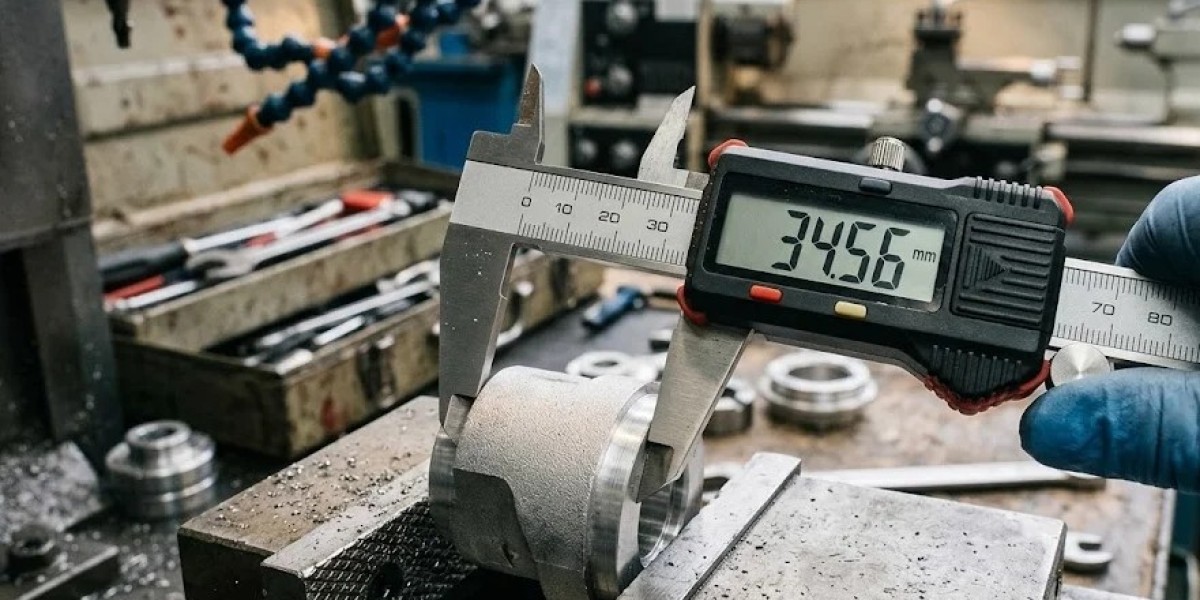

Precision in modern engineering is no longer defined solely by what a device can display on a screen. It is defined by how consistently that measurement survives the real world—where vibration, impact, dust, temperature shifts, and operator variability are constant factors. In this context, the shockproof electronic digital caliper has evolved from a simple inspection tool into a robust metrology instrument designed for industrial reliability rather than laboratory idealism.
What Defines a Shockproof Electronic Digital Caliper?
A shockproof electronic digital caliper is a high-precision measurement tool engineered to maintain accuracy even under mechanical stress and harsh operational conditions. Unlike conventional digital calipers, which may lose calibration or suffer encoder damage after impact, shockproof designs incorporate structural and electronic protection systems that preserve measurement integrity.
Typical structural and functional elements include:
- High-resolution linear encoder (capacitive or magnetic systems)
- Reinforced shock-resistant housing
- Hardened stainless steel measuring jaws
- Digital LCD or LED display interface
- Absolute measurement and zero-reset functionality
- Low-power microprocessor control unit
These features collectively allow the tool to operate reliably in machining workshops, production floors, and field inspection environments where mechanical stress is unavoidable.
Engineering Foundations of Shockproof Design
The reliability of a shockproof digital caliper is not accidental—it is the result of deliberate mechanical and electronic engineering integration.
1. Reinforced Mechanical Structure
The internal frame is designed to distribute impact forces away from sensitive measurement components. Instead of allowing shock energy to concentrate at the encoder, the structure redirects stress through reinforced load paths.
This significantly reduces the risk of:
- Scale misalignment
- Rail deformation
- Encoder displacement
2. Anti-Interference Electronic Stabilization
Industrial environments are filled with electrical noise generated by motors, CNC machines, and power systems.
To maintain stable readings, shockproof calipers incorporate:
- Electromagnetic shielding layers
- Signal filtering circuits
- Stabilized digital conversion modules
This ensures that measurement output remains unaffected by external interference.
3. Protected Encoder Architecture
At the core of every digital caliper is its encoder system. In shockproof models, this component is sealed within a protective housing that isolates it from vibration and accidental impact.
This design helps maintain:
- Long-term calibration stability
- Consistent linear response
- Reduced drift over time
4. Material Engineering for Durability
High-grade materials are essential for structural resilience:
- Hardened stainless steel for measuring jaws
- Reinforced alloy or composite body structures
- Wear-resistant sliding surfaces
These materials ensure both mechanical strength and long operational lifespan.
5. Stable Power and Signal Management
Modern calipers rely on microelectronic systems that require stable power delivery. Shockproof designs optimize:
- Battery efficiency
- Low-voltage operation stability
- Consistent signal processing
This minimizes measurement interruptions during continuous use.
Key Performance Indicators in Industrial Applications
When evaluating a shockproof electronic digital caliper manufacturer, industrial buyers typically focus on several critical performance metrics.
Measurement Accuracy
Industrial-grade tools generally achieve:
- ±0.01 mm precision (high-end models)
- ±0.02 mm precision (standard industrial use)
Shock Resistance Capability
The ability to withstand accidental drops or mechanical impacts without losing calibration is a defining feature of this tool category.
Environmental Adaptability
Performance stability under:
- Temperature fluctuations
- Humidity exposure
- Dust-heavy environments
Repeatability
Consistent readings across multiple measurements are essential for quality control systems.
Operational Efficiency
Low power consumption and long battery life reduce downtime in production environments.
Industrial Applications Across Key Sectors
The shockproof electronic digital caliper is widely used across industries where precision cannot be compromised.
1. CNC Machining and Metal Processing
Used for verifying dimensional accuracy of:
- Shafts
- Machined housings
- Precision gears
- Custom metal components
2. Automotive Manufacturing
Ensures tight tolerance control in:
- Engine assemblies
- Transmission systems
- Brake components
- Structural brackets
3. Aerospace Engineering
Critical for inspecting components that operate under strict regulatory and safety tolerances, where even minor deviations can affect performance.
4. Packaging Machinery Industry
In high-precision equipment manufacturing, companies such as West Lake Packaging Machinery rely on accurate dimensional verification to ensure:
- Assembly fit precision
- Mechanical alignment stability
- Long-term operational consistency
Measurement tools like shockproof calipers support both production validation and maintenance diagnostics.
5. Industrial Maintenance and Repair
Used to evaluate:
- Component wear levels
- Alignment deviation
- Replacement part compatibility
OEM and Manufacturing Quality Requirements
For any shockproof electronic digital caliper OEM supplier, maintaining consistent quality is essential. Professional manufacturing systems typically include:
Precision Machining Control
CNC-based manufacturing ensures scale accuracy and structural consistency.
Multi-Point Calibration
Each unit must undergo calibration verification before shipment.
Durability Testing
Including:
- Drop impact tests
- Vibration resistance tests
- Thermal cycling evaluation
Material Traceability Systems
Ensures consistency across production batches and supports industrial compliance standards.
Companies operating in high-precision environments, including West Lake Packaging Machinery, typically require strict adherence to these manufacturing standards.
Emerging Trends in Digital Measurement Technology
The evolution of calipers is moving toward smarter and more integrated systems:
- Bluetooth-enabled data transmission
- Cloud-based measurement logging
- IP-rated waterproof and dustproof designs
- Multi-mode measurement functionality
- Lightweight ergonomic structures for extended use
These advancements are transforming calipers from standalone tools into connected quality-control devices.
Market Drivers and Industry Demand
Demand for shockproof digital calipers continues to grow due to several global trends:
- Expansion of CNC manufacturing industries
- Increasing automation in production lines
- Stricter industrial quality standards
- Growth of smart factory ecosystems
- Rising demand for portable precision inspection tools
Manufacturers that can combine durability with digital accuracy are gaining a clear competitive advantage in global markets.
Conclusion: Precision That Performs Under Pressure
The shockproof electronic digital caliper represents a shift in industrial metrology—where accuracy alone is no longer sufficient. True measurement reliability requires resilience under real-world conditions, including vibration, impact, and continuous operational stress.
Through advanced structural engineering and stabilized electronic design, these instruments ensure that precision is maintained not only in theory, but also in the demanding environments of modern manufacturing.
In high-precision industries supported by companies such as West Lake Packaging Machinery, shockproof measurement tools play a vital role in ensuring consistent quality, operational stability, and long-term production reliability.