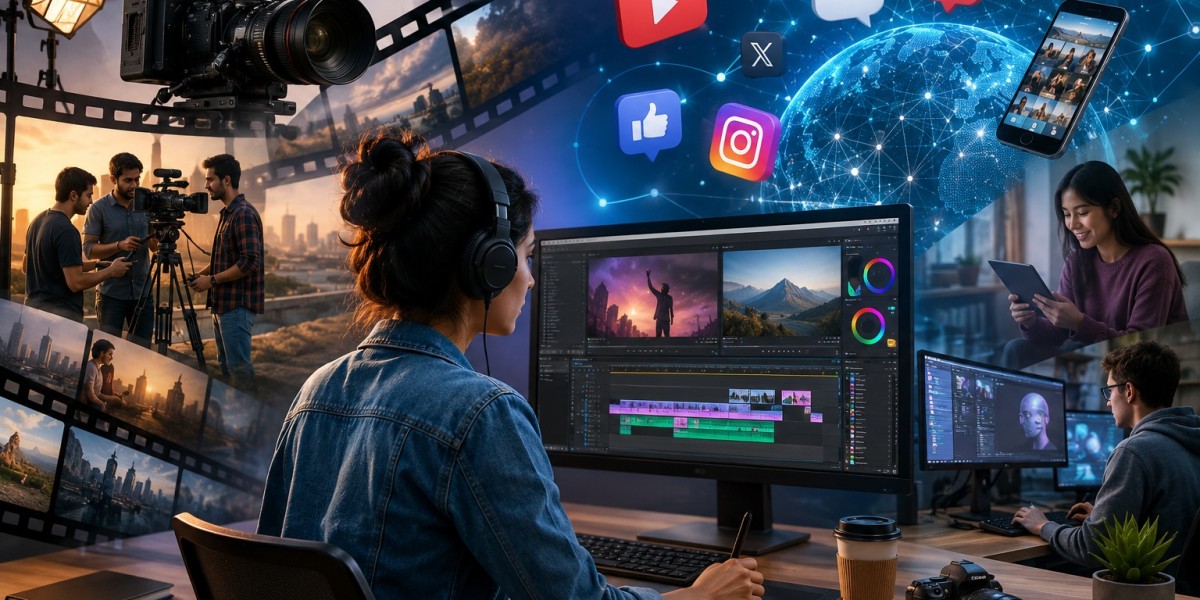

The digital revolution has transformed the way people consume information, entertainment, and news. As a result, a mass media course has become an essential pathway for students who aspire to build careers in communication, journalism, content creation, and digital marketing. With businesses and media organizations increasingly relying on online platforms to engage audiences, the demand for skilled media professionals continues to grow. A well-structured media education program helps students develop the knowledge and practical expertise needed to succeed in this rapidly evolving landscape.
The Rise of Digital Media
Over the past decade, digital media has emerged as one of the most influential forces in society. Social media platforms, streaming services, online news portals, podcasts, and video-sharing websites have changed how information is created and distributed. Consumers now expect instant access to content across multiple devices, creating new opportunities for media professionals.
This shift has led organizations to seek individuals who understand both traditional communication principles and modern digital tools. Educational programs focused on media studies are designed to bridge this gap by preparing students for the realities of today's media environment.
Learning Beyond the Classroom
One of the biggest advantages of media education is its emphasis on practical learning. Students are encouraged to participate in projects that simulate real-world media scenarios. They learn how to write compelling stories, conduct interviews, create videos, manage social media campaigns, and develop content strategies.
Hands-on training allows students to gain confidence while building portfolios that can impress future employers. These practical experiences often become valuable assets when applying for internships and full-time positions.
Developing Essential Communication Skills
Effective communication is at the heart of every successful media career. Whether working in journalism, advertising, public relations, or digital marketing, professionals must know how to convey messages clearly and persuasively.
Media programs help students improve their writing, speaking, presentation, and storytelling abilities. They learn how to tailor content for different audiences and platforms, ensuring that messages are both engaging and impactful.
These communication skills are not limited to media careers alone. They are highly valued across various industries, making media graduates versatile professionals.
Understanding Digital Content Creation
Content has become the foundation of modern marketing and communication strategies. Brands constantly need blogs, videos, social media posts, podcasts, and visual content to connect with consumers.
Students gain exposure to content planning, scriptwriting, video editing, graphic storytelling, and audience engagement techniques. This knowledge enables them to create content that attracts attention and delivers meaningful results.
As digital platforms continue to expand, content creators are finding opportunities in media houses, startups, multinational companies, and even freelance careers.
Industry Exposure and Networking
Building industry connections is crucial for long-term career growth. Many students explore opportunities offered by top colleges in noida, where industry-oriented curricula and professional networking events help bridge the gap between academics and employment.
Guest lectures, media workshops, internships, and industry visits provide students with valuable insights into current market trends. Interacting with experienced professionals helps them understand workplace expectations and build meaningful connections that may support future career opportunities.
Specialized Programs for Media Aspirants
For students specifically interested in journalism and communication, programs such as BAJMC offer focused training in reporting, media ethics, broadcasting, digital journalism, and public communication.
Such programs combine theoretical understanding with practical application, ensuring that graduates are prepared to handle the challenges of a modern media career. Students gain exposure to newsroom environments, production studios, and digital media tools that are widely used across the industry.
Career Opportunities in the Digital Age
The digital media industry offers a diverse range of career paths, including:
- Digital Journalist
- Social Media Manager
- Content Strategist
- Public Relations Executive
- Advertising Professional
- Video Producer
- Podcast Creator
- Digital Marketing Specialist
- Media Research Analyst
- Brand Communication Manager
These roles continue to evolve as technology advances, creating new opportunities for skilled professionals who can adapt to changing consumer behaviors.
Preparing for the Future
The future of media will be shaped by innovations such as artificial intelligence, data-driven marketing, immersive storytelling, and emerging communication technologies. Professionals who stay updated with these developments will have a competitive advantage in the job market.
Media education encourages students to think creatively, embrace innovation, and continuously learn new skills. This adaptability is essential in an industry where trends can change rapidly.
Conclusion
The digital era has transformed media into one of the most dynamic and opportunity-rich industries in the world. By pursuing quality education and gaining practical experience, students can position themselves for success in a wide variety of careers. A strong foundation in communication, content creation, and digital technology not only opens doors to exciting professional opportunities but also prepares individuals to make a meaningful impact in the ever-evolving world of media.