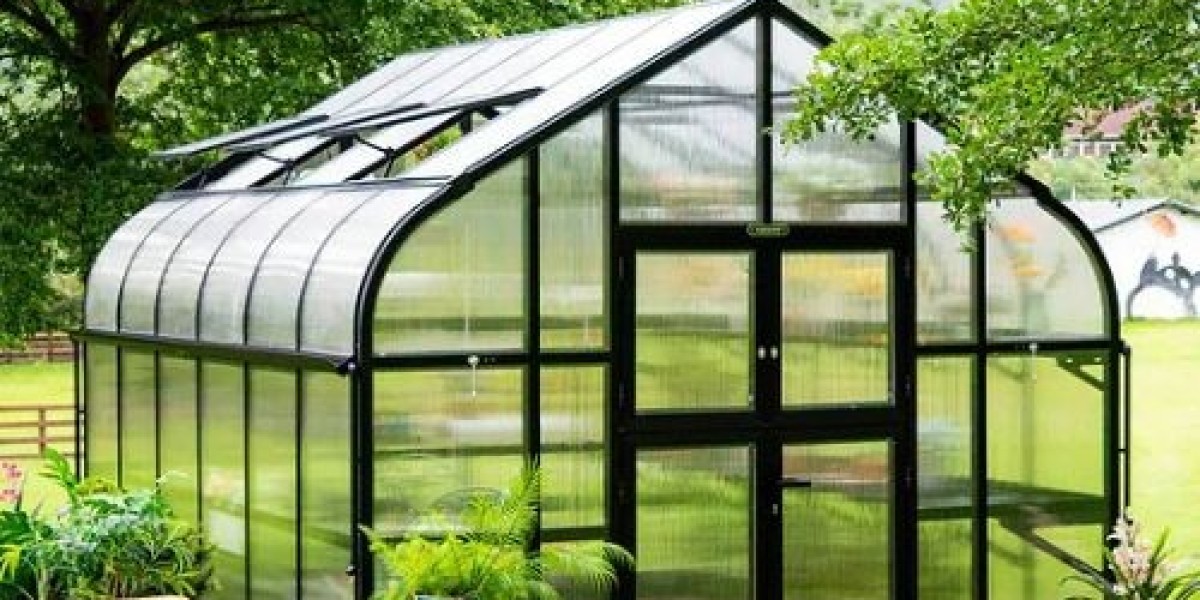

A garden gives you fresh food, flowers, and a peaceful outdoor space. A greenhouse protects young plants from frost, wind, heavy rain, and sudden temperature changes. Together, a garden and greenhouse can help you start seeds earlier, protect warm-season crops, and use your space well.
Start with your climate, available room, and the plants you want to grow. Good planning prevents weak light, trapped heat, and overcrowding.
Why a Garden and Greenhouse Work Well Together
Outdoor beds suit crops that enjoy open air, rain, and pollinators. A greenhouse is useful for seed trays, tender herbs, and crops that need extra warmth.
Seedlings can begin under cover before moving outside. Herbs and warm-season crops can stay protected when nights are cold or wet.
A garden and greenhouse should share water, tools, trays, compost, and potting mix. Keeping these items nearby saves time and makes daily care easier.
How to Choose a Garden Greenhouse
Choose a structure based on its main use. Seed starting needs less space than growing mature vegetables. A greenhouse used for plants and relaxation needs wider paths and room for seating.
Check these features:
- Size: Leave room for beds, shelves, pots, and movement.
- Glazing: Polycarbonate is strong and holds heat well. Glass offers clear light but is heavier.
- Ventilation: Roof vents, doors, and fans release extra heat.
- Frame: Choose one suited to local wind, rain, and snow.
- Access: Wide doors make moving soil and planters easier.
- Base: Use firm, level ground and proper anchoring.
A compact garden and greenhouse can be productive when every path and shelf has a purpose. A larger structure needs more cleaning, watering, and temperature control.
Where to Place Your Greenhouse Garden
Choose level, well-drained ground. Avoid low areas where water gathers. The site should receive useful sunlight, especially during cooler months. In very hot areas, strong afternoon sun may cause overheating.
Keep the garden and greenhouse near a water source. Electricity may be useful for fans, lights, or safe heating equipment. Leave room around the outside for cleaning panels and checking the frame.
Before installation, check local rules, property lines, and delivery access.
How to Set Up a Productive Greenhouse and Garden
Place tall crops where they will not block light from smaller ones. Keep paths clear and use shelves for seedlings, herbs, and small pots.
Follow a simple routine:
- Track temperature with a thermometer.
- Open vents and doors before the space becomes too hot.
- Water the soil instead of soaking leaves.
- Clean trays, pots, and tools before reuse.
- Check under leaves for pests.
- Remove fallen leaves and dead growth.
- Leave space between plants for airflow.
A short morning check can reveal dry soil, heat stress, or pests before the issue spreads.
What to Grow in a Garden Greenhouse
Start with plants you already eat or enjoy. Leafy greens, herbs, radishes, and seedlings are good beginner choices. Tomatoes, peppers, eggplants, and cucumbers often benefit from warmth, but they also need support, water, and steady ventilation.
Group plants with similar temperature and moisture needs. This makes the garden and greenhouse easier to manage and prevents one crop from becoming too wet, hot, or shaded.
A greenhouse is not a sealed box. Plants still need fresh air, healthy soil, suitable light, and room for roots.
Frequently Asked Questions
Does a greenhouse need full sun all day?
Most greenhouses need several hours of direct light. In very hot areas, afternoon shade or shade cloth can help control heat.
What is the best position for a garden greenhouse?
Use level, well-drained ground with good sunlight, nearby water, and some protection from strong wind.
What vegetables grow well in a greenhouse?
Tomatoes, peppers, cucumbers, leafy greens, herbs, radishes, and eggplants can grow well with suitable heat, airflow, spacing, and water.
Is glass or polycarbonate better for a greenhouse?
Glass gives clear light and a classic look. Polycarbonate is lighter, strong, and effective at holding heat.
How do you stop a greenhouse from overheating?
Open roof vents and doors, use fans, add shade cloth when needed, and check the temperature often.
Can you use a greenhouse all year?
Yes, but results depend on local weather, insulation, crop choice, available light, ventilation, and safe temperature control.
Conclusion: Build a Garden and Greenhouse That Fits Your Life
A successful garden and greenhouse starts with a clear purpose. Choose the right size, use a bright and well-drained site, provide ventilation, and select plants that match your climate and available time. Keep the layout simple and inspect plants often. A thoughtful setup can raise stronger seedlings, protect tender crops, and make gardening more rewarding.