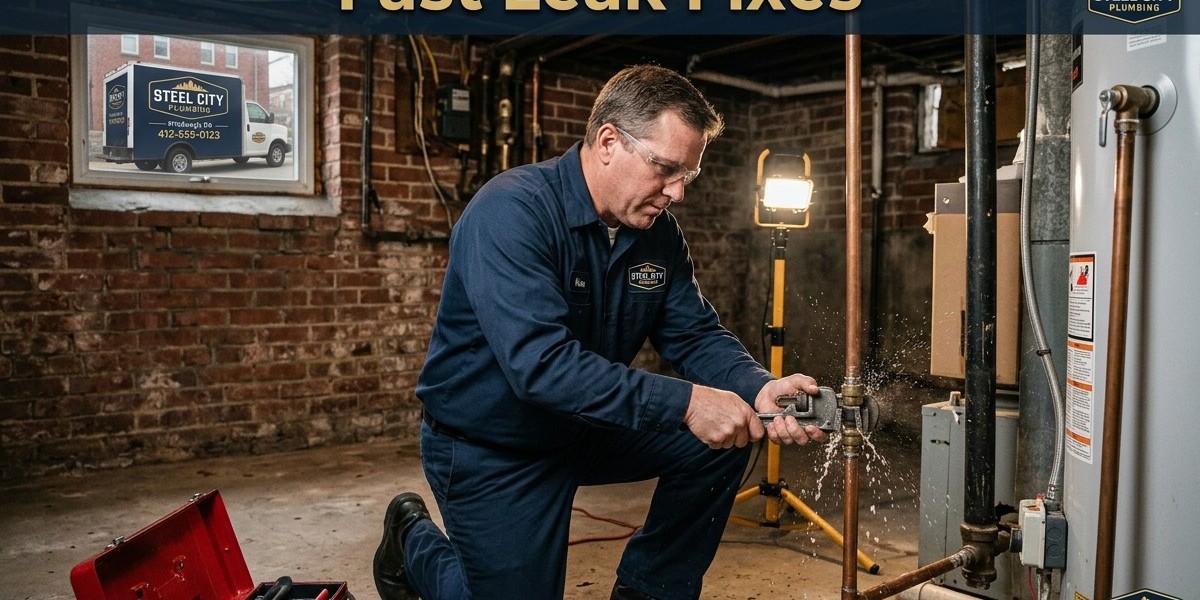

A leaking pipe is one of those household annoyices that can quietly transform into a financial disaster. Whether it is a slow, hidden pinhole leak behind the drywall of a historic home in Shadyside or a prominent copper line fracture in a Mount Lebanon basement, plumbing leaks require immediate attention.
Partnering with a specialist for professional leaky pipe repair in Pittsburgh ensures that the root cause of your pipe failure is diagnosed accurately and repaired using durable materials. Intercepting a leak early protects your home's structural framing, preserves your flooring, and keeps your household safe from dangerous mold growth.
1. Major Warning Signs of a Hidden Pipe Leak
Not all plumbing leaks announce themselves with a major flood. In fact, some of the most destructive pipe failures occur quietly behind closed walls or beneath floorboards, showing only faint warning signs:
Unexplained Spikes in Utility Bills: If your municipal water bill climbs steadily month after month while your household water habits haven't changed, a significant amount of water is likely escaping from your pressurized supply loop.
Musty or Mildew Odors: Dark, damp environments behind drywall are prime breeding grounds for organic mold spores. If a room or utility closet smells consistently musty, water is likely weeping from a nearby pipe joint.
Wall and Ceiling Discoloration: Sagging drywall, bubbling paint, or damp, yellowish-brown stains on your ceilings or walls are direct visual evidence of an active overhead pipe leak.
The Sound of Running Water: If you hear a faint trickling, hissing, or rushing water sound behind your walls when all household faucets and appliances are completely turned off, you have a pressurized line failure.
2. Why Pittsburgh Pipes Are Prone to Leaks
Western Pennsylvania homes face a specific set of environmental and physical factors that place a heavy strain on residential plumbing systems:
Extreme Seasonal Temperature Swings: The dramatic shift from freezing winter temperatures to humid summer heat causes metal and plastic pipes to expand and contract. This constant physical movement places stress on soldered joints and threaded fittings, eventually causing them to weep.
Aggressive Mineral Scaling: The local water supply carries a heavy mineral load. Over decades, these minerals settle inside original galvanized iron or copper pipes, restricting flow capacity, elevating internal water pressure, and causing structural pinhole corrosion from the inside out.
Shifting Foundation Clay: The heavy clay soils common throughout the Pittsburgh metro area expand when wet and contract when dry. This geological movement shifts foundations and under-slab earth, putting immense physical tension on underground water main lines and drainage stacks.
3. High-Durability Materials for Modern Pipe Repairs
Experienced plumbing professionals don't rely on short-term fixes like structural wraps or temporary rubber clamps. When cutting out damaged pipe segments, they utilize high-quality, code-compliant materials to ensure a lifetime repair:
PEX Tubing: Cross-linked polyethylene is highly flexible, completely immune to chemical corrosion, and expands naturally during freezing weather, making it excellent for interior supply line retrofits.
Rigid Copper: The industry standard for open, exposed utility connections and main main supply lines, offering unmatched long-term structural durability and high heat resistance.
The Leaky Pipe Repair Sequence
Resolving a pipe leak safely and permanently requires following a precise, systematic operational sequence to isolate the damage and protect your property:
Pro Tip for Pittsburgh Homeowners: If you notice small green or white crusty deposits building up around your copper pipe joints (known as oxidation), don't wipe them away. This scaling indicates a "silent weep"—a trace leak where water evaporates as fast as it escapes. This is an early warning sign that the soldered joint is failing and needs a professional repair before it opens up completely under pressure.