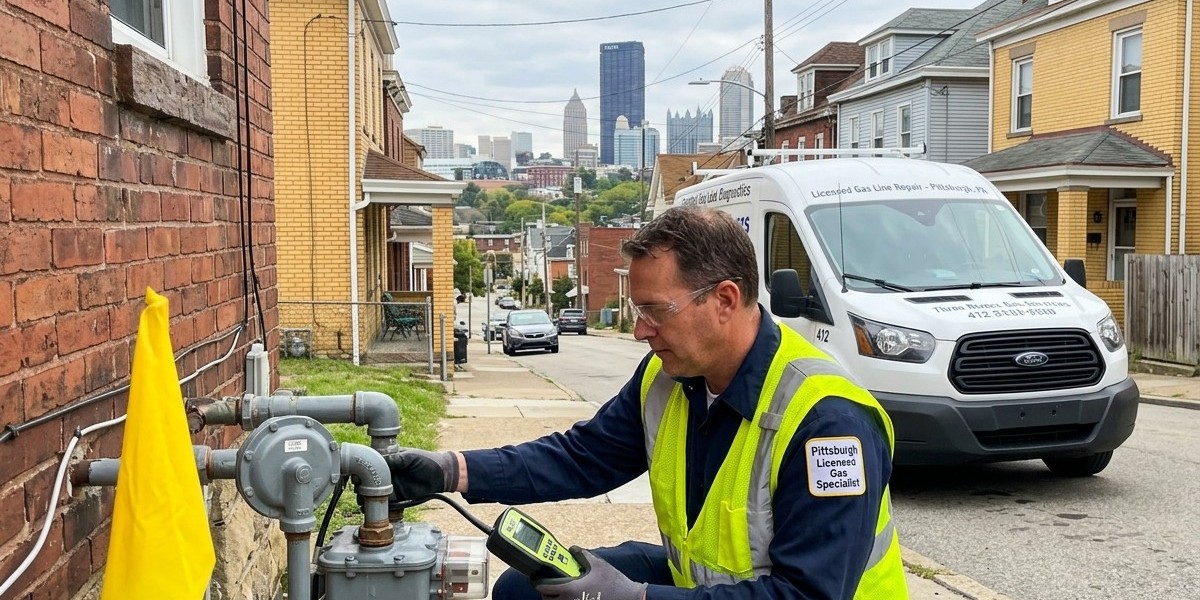
Whether you own a historic property in the South Side Slopes or a modern residential home in McCandless, a compromised natural gas pipe demands immediate, professional attention. Handling highly pressurized fuel infrastructure requires absolute technical precision a minor joint failure can quickly escalate into a catastrophic safety hazard or a severe code violation.
Partnering with a certified technician for licensed gas line repair in Pittsburgh ensures that dangerous system failures are rapidly identified, aging lines are safely replaced, and your property remains fully compliant with local utility rules.
1. Recognizing the Warning Signs of a Gas Line Leak
Natural gas is inherently colorless and odorless. To ensure public safety, local utility companies mix a harmless chemical additive called mercaptan into the fuel stream. This additive creates a strong, unmistakable odor that serves as your primary defense against an active fuel leak.
The Rotten Egg Scent: A distinct sulfur or rotten egg smell inside your utility closet, basement, or kitchen is the absolute first indicator of a natural gas line leak.
Hissing or Whistling Noises: A steady whistling or structural blowing sound near your gas meter connection, furnace line, or behind a gas appliance indicates a physical fracture or loose joint under pressure.
Dead Yard Vegetation: If a specific patch of your lawn or landscaping turns brown and dies while surrounding grass thrives, an underground buried exterior gas line may be leaking fuel up through the soil.
Unexplained Physical Symptoms: Sudden, unexplained headaches, dizziness, nausea, or fatigue among family members inside the home can point to trace levels of fuel accumulation or carbon monoxide buildup.
2. Navigating Local Utility Rules: Peoples Gas & Columbia Gas
In Western Pennsylvania, residential fuel delivery is primarily managed by utilities like Peoples Gas or Columbia Gas of PA. Understanding where your personal legal ownership starts is critical if a leak occurs:
The Utility Line Responsibility: The gas company owns and maintains the main street line, the street regulator, and the physical gas meter assembly itself.
The Property Owner Responsibility: As the homeowner, you are legally responsible for all interior gas piping and customer-owned lines extending from the outlet side of the gas meter directly into your house, including lines running to your gas water heater, furnace, stove, or outdoor grill.
If you report a suspected leak, the utility company will immediately dispatch an emergency truck to turn off the main gas valve for community safety. Once isolated, they will lock out the meter and instruct you to contact a licensed professional certified in gas line operations. The utility company will not restore fuel service until a licensed plumber completes the physical repair and certifies the system passed a mandatory structural pressure test.
3. Code-Approved Materials for Safe Gas Line Replacements
When a professional cuts out corroded iron or runs brand-new lines for an appliance upgrade, local building codes dictate specific high-durability materials to prevent future leaks:
CSST (Corrugated Stainless Steel Tubing): A highly flexible, code-approved product wrapped in a protective yellow jacket. Because CSST can snake through framing bays without requiring dozens of individual elbow fittings, it drastically reduces potential future leak points.
Black Iron Pipe: The traditional industry standard for rigid appliance gas lines and main manifolds. It offers extreme structural strength and high heat resistance, making it ideal for primary main lines running through basements and utility rooms.
The Licensed Gas Line Repair Sequencing
Resolving a fuel line emergency safely and legally requires a certified technician to execute a highly regulated operational sequence:
CRITICAL SAFETY WARNING: If you smell a strong odor of gas inside your home, do not touch any electrical switches, use a phone indoors, or start your car in the garage. A simple static spark from a light switch can ignite trapped natural gas. Walk outside immediately, leave the front door open, and call 911 or your local gas utility's emergency line from a safe distance.