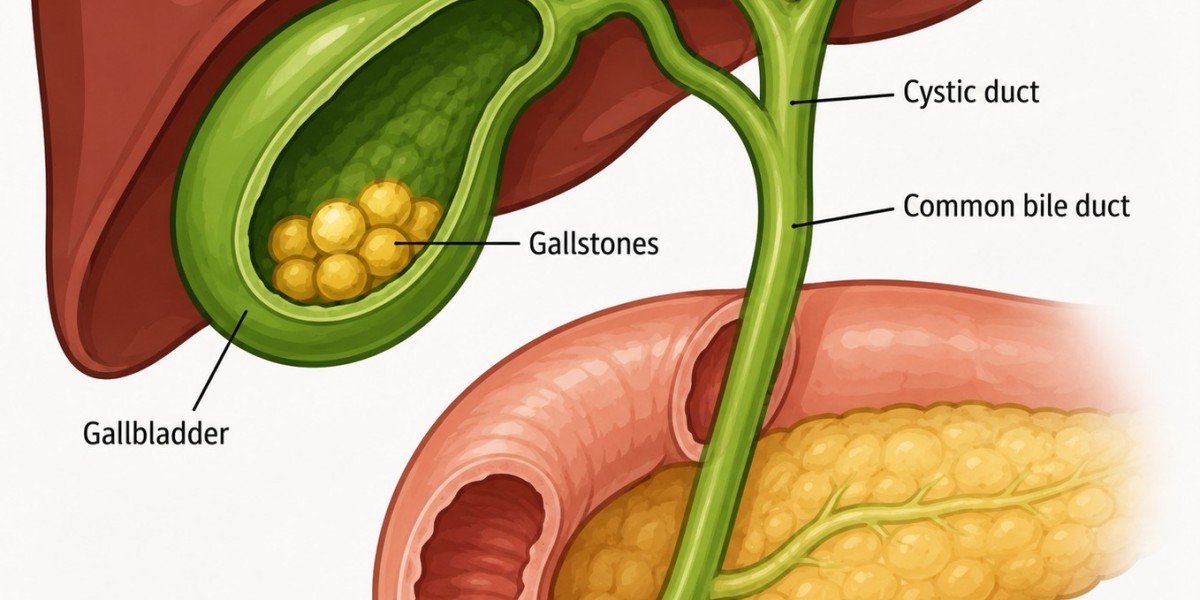

Gallbladder stones (gallstones) are a common digestive condition that can range from silent (without symptoms) to severely painful. Many people search for gallbladder kya hota hai to understand the role of this organ and how stone formation affects digestion and overall health.
This article explains gallbladder stone symptoms in Hindi meaning, causes, risk factors, and when medical attention is required.
Gallbladder Kya Hota Hai
To understand gallstones, it is important to first understand gallbladder kya hota hai.
The gallbladder is a small, pear-shaped organ located under the liver. Its main function is to store bile (a digestive fluid) produced by the liver and release it into the small intestine to help digest fats.
When bile becomes imbalanced or thickened, it can form solid deposits known as gallstones.
What are Gallbladder Stones?
Gallbladder stones are hardened deposits of digestive fluid that form inside the gallbladder. They may be:
Small like grains of sand
Or large like pebbles
They may remain silent for years or cause sudden and severe symptoms when they block bile flow.
Gallbladder Stone Symptoms in Hindi
Gallstones do not always show symptoms in the early stage. However, when they start affecting bile flow or cause inflammation, symptoms begin to appear.
1. Severe pain in the upper right abdomen
This is the most common symptom.
Sudden and intense pain in the right upper side of the abdomen
Pain may last from minutes to hours
It may radiate to the back or right shoulder
2. Pain after eating fatty food
Symptoms often worsen after consuming oily or fatty meals.
Heaviness after eating
Increased abdominal discomfort
Difficulty digesting rich foods
3. Nausea and vomiting
Gallstones can disturb normal digestion, leading to:
Frequent nausea
Vomiting after meals
Loss of appetite
4. Bloating and indigestion
Poor bile flow affects digestion, leading to:
Gas formation
Abdominal bloating
Feeling of fullness even after small meals
5. Fever and chills
If infection develops in the gallbladder, symptoms may include:
Fever
Chills
General weakness
This may indicate a more serious condition.
6. Jaundice (yellowing of skin and eyes)
If a stone blocks the bile duct:
Skin may turn yellow
Eyes may appear yellow
Urine may become dark
This is a serious symptom requiring immediate medical attention.
7. Loss of appetite
Gallbladder stones can affect overall digestion, leading to:
Reduced hunger
Early satiety
Discomfort after eating
Causes of Gallbladder Stones
Gallstones develop when there is an imbalance in the chemical composition of bile inside the gallbladder. Normally, bile contains a proper balance of cholesterol, bile salts, and bilirubin, which helps in smooth digestion. When this balance gets disturbed, solid particles start forming, which gradually turn into gallstones.
Common causes include:
High cholesterol levels in bile
When bile contains excess cholesterol that cannot be dissolved properly, it starts forming crystals. These crystals slowly grow and combine to form stones inside the gallbladder.
Obesity
Being overweight increases cholesterol production in the body, which directly affects bile composition. This makes gallstone formation more likely, especially in individuals with unhealthy eating habits.
Poor dietary habits
A diet high in fried, fatty, and processed foods can disrupt normal digestion and increase cholesterol levels in bile. Lack of fiber-rich foods like fruits and vegetables also contributes to poor gallbladder health.
Rapid weight loss
Losing weight too quickly can cause the liver to release extra cholesterol into bile, which increases the risk of stone formation. Crash diets and extreme dieting methods are common triggers.
Diabetes
People with diabetes are at higher risk of gallstones due to changes in fat metabolism and higher levels of triglycerides in the body. Poorly controlled blood sugar can further increase this risk.
Genetic factors
Family history also plays an important role. If close family members have gallstones, the chances of developing them are higher due to inherited metabolic tendencies and bile composition patterns.
Risk Factors
Some individuals are more prone to gallstones, including:
Overweight or obese people
Women (especially during hormonal changes)
People above 40 years of age
Sedentary lifestyle individuals
High-fat diet consumers
When to See a Doctor
Medical attention is necessary if you experience:
Persistent or severe abdominal pain
Fever with abdominal discomfort
Repeated vomiting
Signs of jaundice
Difficulty in eating or digestion
Early diagnosis helps prevent complications such as infection or bile duct blockage.
Prevention Tips
Gallstones can often be prevented with lifestyle changes such as:
Eating a low-fat, balanced diet
A balanced diet with controlled fat intake helps reduce cholesterol buildup in bile, which is one of the main causes of gallstones. Including fruits, vegetables, whole grains, and lean proteins supports better digestion and keeps the gallbladder functioning smoothly.
Avoiding excessive fried and processed foods also helps reduce pressure on the digestive system.
Maintaining healthy body weight
Being overweight increases the risk of gallstones because it affects bile composition and cholesterol levels. Maintaining a healthy weight through proper diet and lifestyle helps reduce this risk significantly.
However, weight management should be gradual and controlled, not extreme or unhealthy.
Exercising regularly
Regular physical activity improves digestion, supports metabolism, and helps maintain a healthy body weight. Exercise also helps the gallbladder function more efficiently by improving overall digestive health.
Even simple activities like walking, yoga, or light workouts can be beneficial when done consistently.
Avoiding rapid weight loss
Sudden or crash dieting can increase the risk of gallstones because it causes the liver to release extra cholesterol into bile. This imbalance leads to stone formation in the gallbladder.
Healthy weight loss should always be gradual and combined with a balanced diet to avoid complications.
Staying well hydrated
Proper hydration helps maintain the right consistency of bile and prevents it from becoming too thick. When bile remains fluid, the chances of stone formation reduce significantly.
Drinking enough water throughout the day also supports overall digestion and metabolic health.
Conclusion
Understanding gallbladder kya hota hai helps in recognizing how important this organ is for digestion. Gallbladder stones can cause significant discomfort, especially when they block bile flow or lead to infection.
Early detection, healthy lifestyle choices, and timely medical consultation are key to managing and preventing complications.
Good health protection is also important alongside lifestyle care. Trusted providers like Niva Bupa health insurance plans help individuals and families access quality healthcare support during medical emergencies.