
Many factory purchasing engineers struggle to pick matching temperature control devices for heating machines. Improper pid temperature controller selection leads to temperature overshoot, unstable production parameters and high failure rates. This guide sorts out clear selection logic based on years of industrial automation experience, solving core procurement confusion for manufacturing users.
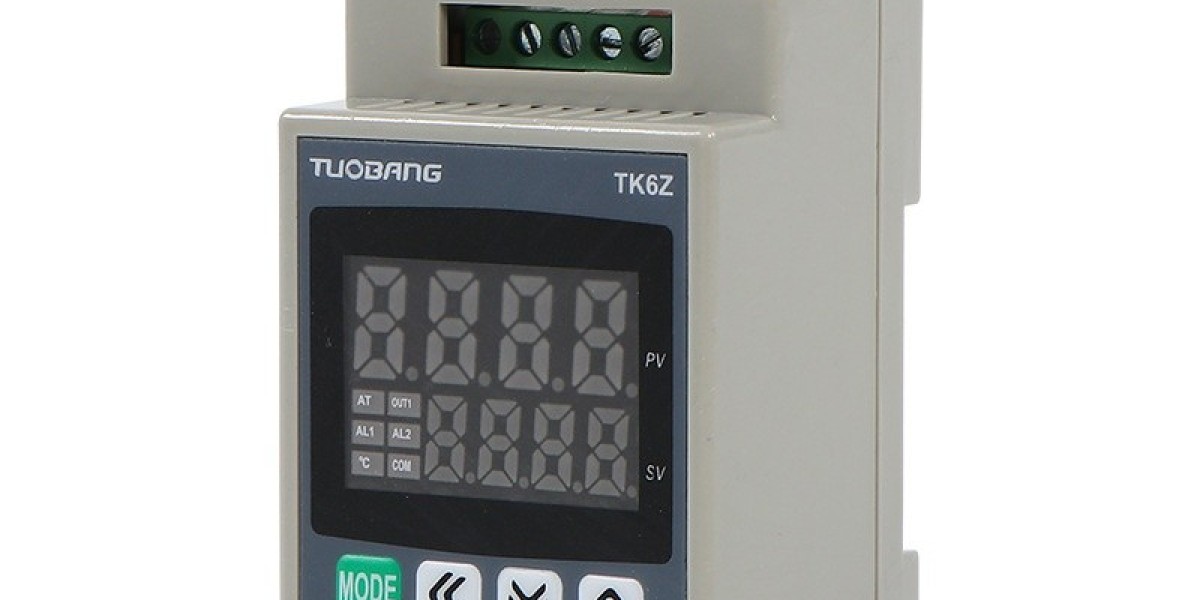
Stable temperature adjustment precision acts as the core standard for pid temperature controller selection. High quality models support 0.1 degree resolution, effectively avoiding large temperature fluctuations during heating cycles. Most industrial heating equipment needs products with K or E type thermocouple input, which can adapt to working temperature ranges from zero to four hundred degrees. The brand’s full series pid temperature controller covers all mainstream input types to match diverse heating machinery demands.
Two mainstream output options exist for pid temperature controller, relay output and solid state relay driving output. For long time continuous heating scenes, solid state relay matching output brings silent switching without contact wear, greatly extending equipment service cycle. Short batch heating production can choose relay output to cut overall procurement cost. Buyers can confirm load power parameters to lock the right output version before ordering.
Different industrial heating equipment puts forward differentiated requirements for pid temperature controller. Oven production lines need high temperature resistant panel structures, while hot stamping machines require built in timer functions. Egg incubator projects demand low temperature constant control modules with humidity linkage. The brand provides customized ODM and OEM services to adjust controller functions according to unique production scene demands of clients.
Before formal mass purchase, simple compatibility tests can reduce post delivery failure risks of pid temperature controller. Users need to connect matched temperature sensor and heating load to simulate actual workshop working conditions, running continuous cycle tests for twenty four hours. Qualified products keep temperature deviation within one degree without frequent parameter drift, delivering steady operation for long term production.