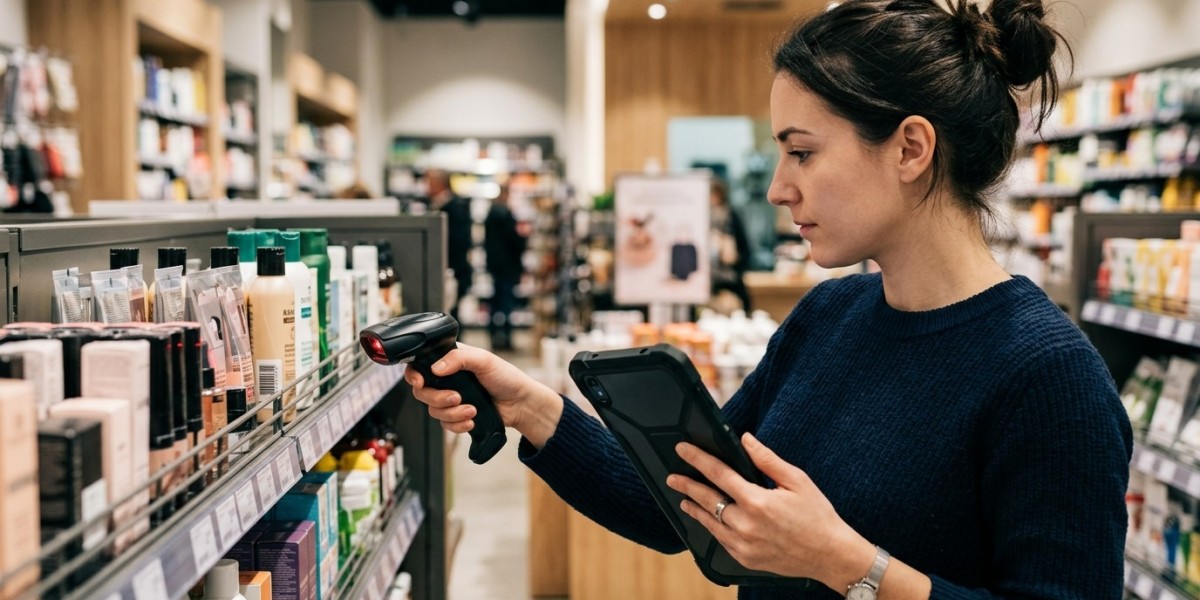

Setting the right price is one of the most important decisions in retail. A price that is too high may discourage customers, while a price that is too low can reduce profit margins. Retailers must balance customer expectations, market competition, operating costs, and inventory levels when deciding how much to charge for each product.
Making pricing decisions manually becomes difficult as product catalogs grow. Prices change because of supplier costs, seasonal demand, promotions, and market trends. Without accurate data, retailers may miss opportunities to increase profits or remain competitive.
Modern Point of Sale (POS) systems simplify this process by providing real-time sales information, inventory data, and performance reports. These insights allow retailers to adjust product pricing based on actual business results rather than assumptions. As a result, pricing becomes more accurate, responsive, and profitable.
Why Product Pricing Matters
Pricing directly affects revenue, profit, customer satisfaction, and overall business performance.
Even small pricing adjustments can influence buying behavior. Customers often compare prices before making purchasing decisions, especially when similar products are available from multiple retailers.
At the same time, businesses need healthy profit margins to cover operating expenses, invest in growth, and remain financially stable.
Finding the right balance requires continuous monitoring rather than setting prices once and leaving them unchanged.
Challenges of Manual Pricing
Many retailers still rely on spreadsheets or manual reviews when updating product prices.
Although this method may work for small inventories, it becomes increasingly difficult as businesses grow.
Some common challenges include:
- Delayed price updates.
- Human errors.
- Inconsistent pricing across locations.
- Limited access to sales data.
- Slow response to changing demand.
- Difficulty evaluating promotion performance.
These challenges can reduce profitability and make pricing decisions less effective.
How POS Systems Support Pricing Decisions
A POS system records every transaction made throughout the day.
This information creates a valuable database that retailers can use to evaluate pricing performance.
Instead of guessing which products require price adjustments, managers can review actual sales patterns and customer purchasing behavior.
Daily reports make it easier to identify opportunities for pricing improvements while maintaining healthy profit margins.
Access to Real-Time Sales Data
One of the biggest advantages of modern POS systems is real-time reporting.
Retailers can immediately see:
- Products selling quickly.
- Products with declining sales.
- Revenue by product category.
- Average transaction values.
- Sales performance by location.
- Customer purchasing trends.
This information allows businesses to respond quickly instead of waiting until monthly reports become available.
Faster decisions often lead to stronger financial results.
Identifying High-Demand Products
Some products consistently attract customer attention regardless of price changes.
POS reports help retailers identify these popular products through continuous sales monitoring.
When demand remains strong, businesses may evaluate whether small pricing adjustments can improve profitability without affecting customer demand.
Because every adjustment is supported by sales data, pricing decisions become more informed.
Managing Slow-Selling Products
Products that remain on shelves for extended periods reduce inventory efficiency.
POS systems quickly identify these slower-selling items through inventory and sales reports.
Rather than allowing products to occupy valuable shelf space indefinitely, retailers can introduce:
- Limited-time discounts.
- Clearance pricing.
- Bundle promotions.
- Loyalty offers.
- Multi-buy discounts.
These pricing strategies help increase inventory movement while reducing storage costs.
Supporting Promotional Campaigns
Retail promotions often influence customer buying decisions.
However, businesses need to measure whether promotions actually improve profitability.
POS systems track promotional performance by recording:
- Units sold.
- Revenue generated.
- Discount values.
- Customer participation.
- Sales before and after promotions.
These reports allow retailers to evaluate which promotions deliver meaningful results.
Future pricing strategies can then be adjusted based on actual performance.
Responding to Seasonal Demand
Customer demand changes throughout the year.
Products associated with holidays, school seasons, or weather conditions often experience predictable sales patterns.
POS systems store historical sales data, making it easier to compare current demand with previous years.
Retailers can use this information to:
- Increase prices during periods of strong demand.
- Offer discounts after seasonal demand declines.
- Prepare pricing strategies before peak shopping periods.
Historical reporting reduces uncertainty and supports better planning.
Monitoring Profit Margins
Sales volume alone does not determine business success.
A product may sell frequently while generating very little profit.
POS systems combine sales and pricing data to help retailers evaluate product profitability.
Managers can identify:
- High-volume, low-margin products.
- High-margin, slower-selling products.
- Product categories requiring pricing adjustments.
This balanced view supports pricing strategies that improve overall profitability instead of focusing only on sales volume.
Maintaining Pricing Consistency
Businesses operating multiple locations often face pricing challenges.
Manual updates increase the risk of inconsistent prices between stores.
Cloud-based POS systems allow pricing updates to be applied across every location simultaneously.
This consistency improves customer trust while reducing pricing errors.
Employees also spend less time making manual corrections.
Supporting Better Supplier Negotiations
POS reports provide valuable information during supplier discussions.
Retailers can review product performance before placing new orders.
If supplier costs increase significantly, sales reports help determine whether pricing adjustments are necessary or whether alternative suppliers should be considered.
Using accurate business data strengthens purchasing decisions and supports healthier profit margins.
Understanding Customer Buying Behavior
Pricing strategies become more effective when retailers understand customer purchasing habits.
POS systems collect valuable information such as:
- Frequently purchased products.
- Popular product combinations.
- Average purchase values.
- Peak shopping hours.
- Repeat purchasing patterns.
These insights help retailers develop pricing strategies that align with customer demand while improving sales opportunities.
Reducing Pricing Errors
Incorrect prices can create customer dissatisfaction and reduce business credibility.
Manual price changes often lead to mistakes that affect checkout accuracy.
POS systems centralize pricing information, ensuring employees process transactions using current prices.
This reduces pricing disputes while improving operational efficiency.
Supporting Data-Driven Decisions
Successful pricing requires more than experience or intuition.
Businesses that rely on accurate sales information often make stronger financial decisions.
POS systems provide measurable insights that help retailers evaluate pricing performance regularly.
Managers can review reports daily, weekly, or monthly depending on business needs.
Continuous analysis allows pricing strategies to evolve as market conditions change.
Why Daily Pricing Reviews Matter
Retail markets change quickly.
Competitor pricing, customer demand, supplier costs, and inventory levels may all shift within a short period.
Daily pricing reviews supported by POS reports help retailers remain responsive without making unnecessary changes.
Small adjustments based on reliable information often produce better long-term results than infrequent major price changes.
Consistent monitoring also reduces the likelihood of missed revenue opportunities.
The Role of POS Systems in Long-Term Retail Growth
Pricing is only one part of retail management, but it influences nearly every financial outcome.
A modern POS system combines pricing data with inventory management, sales reporting, and customer insights to support better business decisions across the entire operation.
Retail solutions such as Mhouse help businesses access real-time information that supports accurate pricing decisions, improves operational efficiency, and strengthens overall retail performance.
Final Thoughts
Effective pricing requires continuous attention rather than occasional adjustments. Customer demand, inventory levels, supplier costs, and market conditions change regularly, making daily pricing reviews an important part of retail management.
POS systems simplify this process by providing real-time sales data, inventory reports, and performance insights that help retailers make informed pricing decisions. By relying on accurate business information instead of assumptions, retailers can improve profitability, reduce pricing errors, manage promotions more effectively, and remain competitive in a changing marketplace.