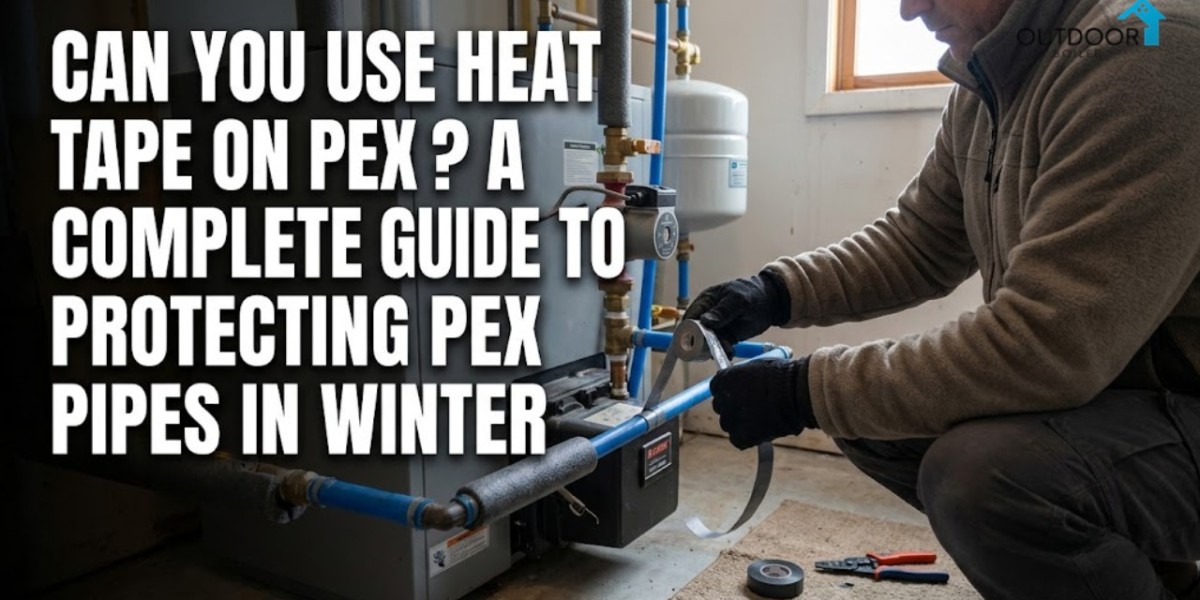

Yes, you can use heat tape on PEX pipes, but it is important to choose the right type of heat tape and install it correctly. Not all heat tapes are designed for PEX, and improper installation can damage the pipe or create safety risks.
When temperatures drop during winter, protecting water lines becomes a priority, especially for homes, cabins, and outdoor plumbing systems. PEX pipes are known for their flexibility and durability, but like any plumbing material, they can still freeze when exposed to extreme cold conditions.
In this guide, we will explain how heat tape works with PEX, what type of heat tape is suitable, how to install it safely, and other ways to prevent frozen pipes during winter.
What Is Heat Tape and How Does It Work?
Heat tape, also called heat cable or pipe heating cable, is an electrical heating product designed to keep pipes from freezing. It works by producing a controlled amount of heat along the pipe surface, helping maintain the water temperature above freezing.
When installed properly, heat tape can provide additional protection for exposed pipes in areas such as:
• Outdoor plumbing lines
• Unheated basements
• Crawl spaces
• Garages
• Sheds and cabins
• Areas with poor insulation
According to the U.S. Department of Energy, insulating water pipes is one of the most effective ways to reduce heat loss and help prevent freezing during cold weather.
Can You Put Heat Tape on PEX Pipes?
Yes, heat tape can be used on PEX pipes, but it must be specifically rated for plastic pipes. Some heat tapes are designed for metal pipes only and may not be suitable for PEX because they can produce excessive heat.
PEX has different characteristics compared to copper or steel pipes. Since PEX is a type of plastic tubing, choosing a heat cable that is compatible with plastic materials is essential.
Before installation, always check:
• The heat tape manufacturer’s instructions
• Whether the product is approved for PEX or plastic pipes
• The recommended pipe size compatibility
• The maximum temperature rating
Using the wrong product may cause damage to the PEX tubing or reduce the lifespan of the pipe.
What Type of Heat Tape Should You Use for PEX?
The best option for PEX pipes is usually a self-regulating heat cable designed for plastic plumbing systems.
Self-regulating heat tape automatically adjusts its heat output based on the surrounding temperature. When the pipe temperature drops, it produces more heat. When temperatures rise, it reduces heat output.
Benefits of self-regulating heat tape include:
• Lower risk of overheating
• More energy-efficient operation
• Better temperature control
• Suitable for changing weather conditions
Avoid using older style constant wattage heat tapes unless they are specifically approved for PEX applications and installed according to manufacturer instructions.
How to Install Heat Tape on PEX Pipe Safely
Proper installation is just as important as choosing the right heat tape. Follow these general guidelines:
1. Clean the Pipe Surface
Before installing heat tape, make sure the PEX pipe is clean and dry. Remove dirt, moisture, or debris that could prevent proper contact.
2. Follow the Manufacturer's Instructions
Every heat tape product has different installation requirements. Some cables run straight along the pipe, while others may be wrapped around the pipe, depending on the design.
3. Avoid Overlapping the Heat Cable
Do not overlap heat tape unless the manufacturer specifically allows it. Overlapping can create concentrated heat areas that may damage the pipe.
4. Add Proper Pipe Insulation
Heat tape works best when combined with insulation. Insulation helps retain the heat produced by the cable and provides additional protection from freezing temperatures. Read the article HERE for PEX Insulation.
5. Use a Safe Power Source
Always connect the heat tape according to the product instructions. Use outdoor-rated electrical connections when needed and avoid using damaged cords or cables.
Do You Need Heat Tape If You Already Have PEX Pipes?
PEX is more resistant to freezing compared to traditional rigid pipes because it can expand slightly when water freezes inside. However, this does not mean PEX pipes are freeze-proof.
PEX can still crack or fail when:
• Temperatures remain below freezing for extended periods
• The pipe contains trapped water
• The pipe is exposed to strong winds
• The pipe has little or no insulation
Heat tape is especially helpful for PEX pipes installed in exposed locations where freezing temperatures are common.
Other Ways to Protect PEX Pipes During Winter
Heat tape is only one solution. Combining multiple protection methods can provide better results.
Insulate Exposed Pipes
Pipe insulation helps slow down heat loss and keeps cold air away from the pipe surface.
Seal Drafty Areas
Cold air entering through gaps, cracks, or openings can increase the risk of frozen pipes. Seal areas where cold air reaches plumbing lines.
Keep Water Moving
During extremely cold weather, allowing a small amount of water to drip from faucets can help reduce freezing risks by keeping water moving.
Maintain Indoor Temperatures
Keeping your home or building at a consistent temperature can help protect plumbing systems located inside walls or floors.
Common Mistakes When Using Heat Tape on PEX
Many freezing problems happen because heat tape is installed incorrectly. Some common mistakes include:
Using Heat Tape Not Designed for Plastic Pipes
Always verify compatibility before installation.
Wrapping Heat Tape Too Tightly
Over-tightening may damage the pipe or affect heat distribution.
Installing Heat Tape Over Damaged Pipes
Heat tape should not be used as a solution for cracked or damaged plumbing. Inspect the pipe before installation.
Forgetting Insulation
Heat tape without insulation may work harder and consume more energy while providing less protection.
Frequently Asked Questions
Can heat tape melt PEX pipe?
When the correct heat tape is used and installed properly, it should not melt PEX pipe. However, using the wrong product or installing it incorrectly can create excessive heat that may damage plastic piping.
How cold does it have to be before using heat tape on PEX?
There is no single temperature that applies to every situation. Heat tape is commonly used when pipes are exposed to freezing temperatures, especially when temperatures remain below 32°F for extended periods.
Can you wrap insulation around heat tape on PEX?
Yes, insulation is often recommended because it helps retain heat around the pipe. Always follow the heat tape manufacturer’s instructions regarding insulation requirements.
How long does heat tape last?
The lifespan depends on the product quality, installation, weather exposure, and maintenance. Regular inspection before winter can help identify damaged cables or connections.
Is heat tape better than pipe insulation?
Heat tape and insulation serve different purposes. Insulation slows heat loss, while heat tape adds heat to prevent freezing. In many situations, using both provides the best protection.
Final Thoughts
Using heat tape on PEX pipes can be an effective way to protect plumbing systems during freezing temperatures, but selecting the right product and installing it correctly is essential. While PEX offers flexibility and durability, proper winter preparation can help prevent unexpected pipe damage and costly repairs.
If you need guidance on protecting your plumbing system or have questions about heating solutions for your pipes, contact us for more information and expert assistance. Taking the right steps before winter arrives can help keep your pipes protected when temperatures drop.