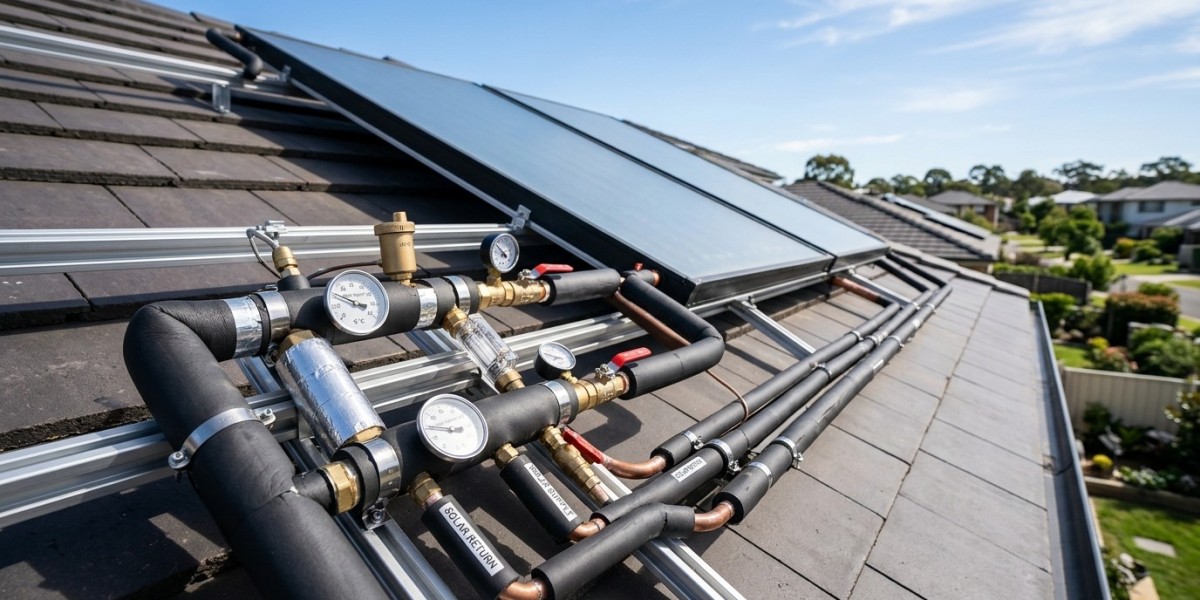

Solar water heating systems have become a practical solution for reducing electricity costs and using clean energy in homes, commercial buildings, and industrial setups. These systems use solar collectors to capture heat from sunlight and transfer it to water, which is then stored for later use. While solar panels and storage tanks often receive most of the attention, the piping network plays an equally important role in ensuring the system works efficiently.
Without properly designed and installed piping, even the most advanced solar water heating system cannot deliver consistent performance. Pipes act as the transport channel that moves water between solar collectors, storage tanks, and usage points. Their quality, insulation, and layout directly affect heat retention, flow efficiency, and system durability.
Why Piping Is Essential in Solar Water Heating Systems
Piping connects all major components of a solar water heating system. It ensures continuous circulation of water so that heat can be transferred effectively from solar collectors to storage tanks.
The main functions of piping include:
- Transporting water between system components
- Maintaining heat transfer efficiency
- Supporting pressure balance
- Ensuring continuous circulation
- Minimizing energy loss during movement
If the piping system is poorly designed or made from low-quality material, the entire heating process becomes inefficient.
How Piping Supports Heat Transfer
The primary purpose of a solar water heating system is to transfer thermal energy from the sun to water.
Pipes play a key role in this process by carrying heated water from the solar collector to the storage tank and returning cooler water back to the collector for reheating.
Efficient piping ensures:
- Faster heat circulation
- Minimal temperature loss
- Stable water flow
- Consistent heating performance
When pipes are not properly insulated or designed, heat loss occurs during transportation, reducing overall system efficiency.
Importance of Pipe Material in Solar Systems
Pipe material significantly influences how well a solar water heating system performs.
Different materials react differently to heat, pressure, and environmental conditions.
Common materials include:
Copper Pipes
Copper is widely used due to its excellent heat transfer ability and durability. It resists corrosion and performs well under high temperatures, making it suitable for solar applications.
CPVC Pipes
CPVC pipes offer good resistance to heat and corrosion. They are lightweight and easy to install, making them suitable for residential solar water systems.
PEX Pipes
Cross-linked polyethylene (PEX) pipes are flexible and resistant to scaling and corrosion. They are commonly used in modern plumbing systems connected to solar heaters.
Insulated Pipes
Regardless of material, insulation is often added to reduce heat loss during water transport. Proper insulation helps maintain water temperature from collector to storage tank.
How Pipe Layout Affects System Efficiency
The design and layout of piping directly affect how efficiently a solar water heating system operates.
A well-planned layout ensures:
- Shorter water travel distance
- Reduced heat loss
- Better circulation speed
- Lower energy waste
Poorly designed piping systems may include unnecessary bends, long routes, or improper slopes, all of which reduce system efficiency.
Proper engineering ensures smooth water flow and optimal heat retention.
Role of Insulation in Piping Systems
Insulation is a critical part of piping in solar water heating systems.
Since water travels between hot collectors and storage tanks, it can lose heat if pipes are exposed to external temperatures.
Insulated piping helps:
- Maintain water temperature
- Reduce energy loss
- Improve system efficiency
- Lower operating costs
In colder climates, insulation becomes even more important to prevent heat loss during transport.
Pressure and Flow Control in Pipes
Solar water heating systems rely on consistent water flow to maintain performance.
Pipes must handle varying pressure levels depending on system design and water demand.
Proper piping ensures:
- Stable water pressure
- Balanced flow between components
- Reduced risk of leaks or bursts
- Efficient circulation of heated water
Incorrect pipe sizing or weak materials can disrupt flow and reduce heating efficiency.
Impact of Environmental Conditions
Solar water heating systems are often exposed to outdoor environments.
Pipes must withstand:
- Temperature fluctuations
- UV exposure
- Moisture and humidity
- Seasonal changes
High-quality piping materials are designed to perform reliably under these conditions without cracking, corroding, or losing structural strength.
Maintenance and System Longevity
Proper piping reduces maintenance requirements and extends system life.
Durable pipes require fewer repairs and minimize the risk of leaks or blockages.
Regular inspection ensures:
- No heat loss due to insulation damage
- No leakage in joints or connections
- Smooth water flow
- Long-term efficiency
Well-installed piping systems can operate efficiently for many years with minimal maintenance.
Energy Efficiency and Cost Savings
Efficient piping directly contributes to energy savings in solar water heating systems.
When heat loss is minimized and water circulation is optimized, the system requires less backup energy from electric heaters or boilers.
This results in:
- Lower electricity bills
- Reduced energy waste
- Higher return on investment
- Better system performance over time
Even small improvements in piping efficiency can significantly impact overall energy savings.
Importance of Quality Manufacturing
The performance of a solar water heating system depends heavily on the quality of pipes used in installation. Poor-quality pipes can lead to leakage, heat loss, or system failure.
Reliable manufacturers such as Plasco Pipes focus on producing durable and high-performance piping solutions designed to support critical applications like solar water heating systems, where efficiency and reliability are essential.
Final Thoughts
Piping is a fundamental component of solar water heating systems. It ensures smooth water circulation, efficient heat transfer, and long-term system reliability. From material selection to insulation and layout design, every aspect of piping influences how effectively the system performs.
A well-designed piping network improves energy efficiency, reduces maintenance costs, and ensures consistent hot water supply. Investing in quality piping and proper installation is essential for achieving the full benefits of solar water heating technology.