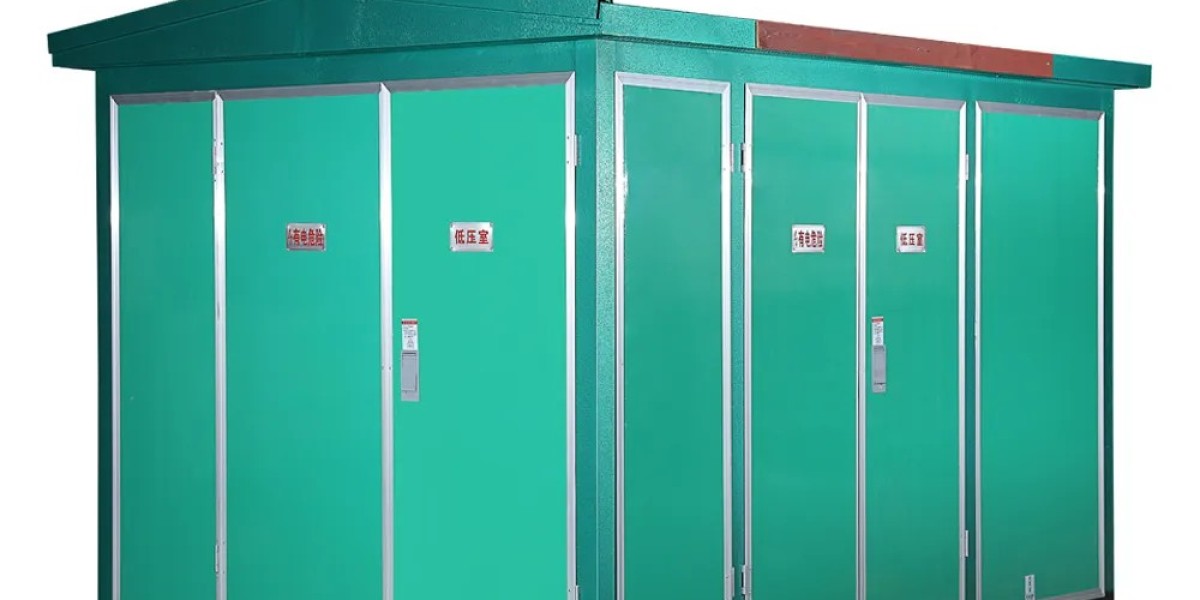

Large scale utility solar farms cover wide areas and need to arrange dozens of voltage transformation and power distribution equipment. Traditional on site built power distribution stations require long term civil engineering construction, and heat dissipation and dust prevention cannot meet the operation demands of semi arid high temperature areas. Containerized substation integrated with step up transformer becomes the mainstream supporting equipment for global large solar power projects, bringing comprehensive optimization to project construction and long term operation.
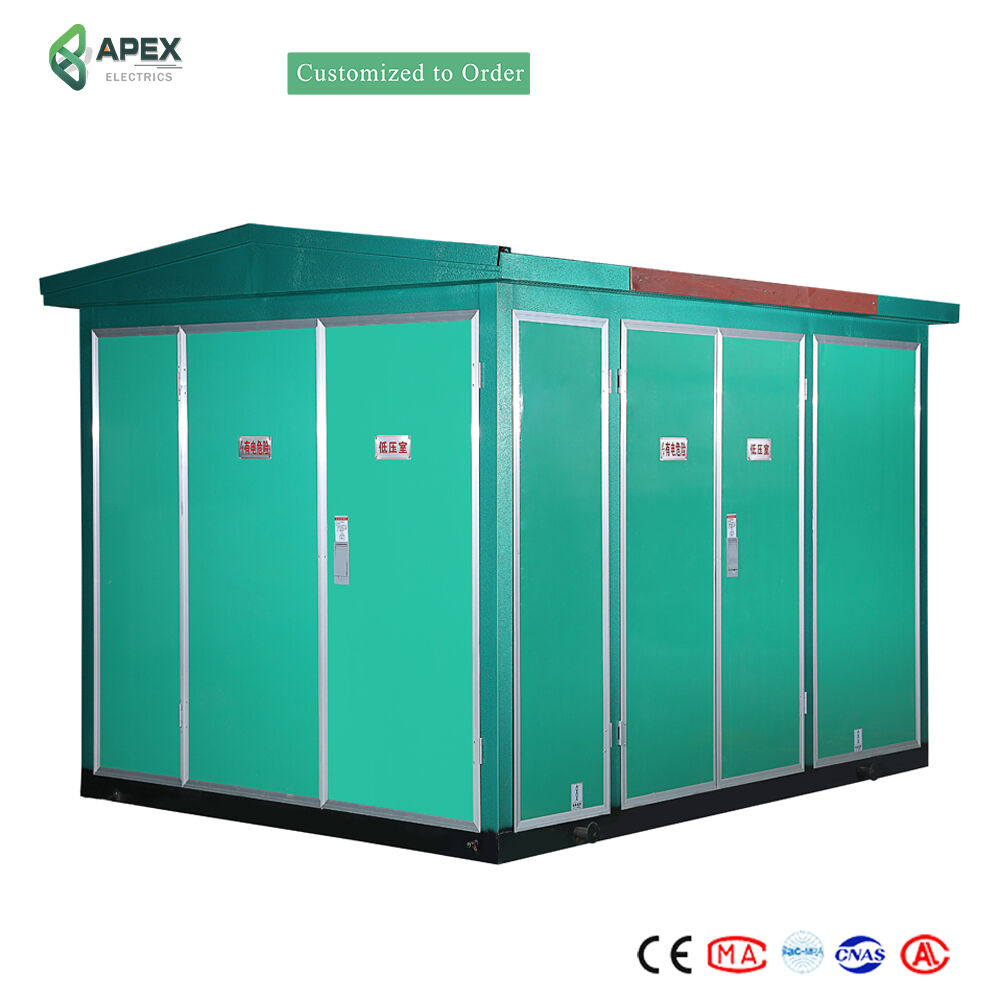
Traditional solar power stations separate step up transformer, high voltage switchgear, protection cabinets and control systems into independent scattered equipment, occupying large site area and requiring complicated inter equipment wiring construction. Containerized substation integrates all core power distribution components inside standard ISO container, with pre installed internal wiring and fixed equipment layout before factory delivery. The overall occupied area of containerized substation is reduced by over fifty percent compared with scattered layout scheme, which can save valuable land resources of solar farms and reserve more space for photovoltaic panel layout. Each containerized substation can customize internal equipment collocation according to solar farm total installed capacity, matching different power generation scale from 10MW to over 100MW photovoltaic projects.
Most large solar farms are built in semi arid areas with high temperature and heavy dust, such as Queensland Australia. Ordinary split type transformer equipment lacks effective dust isolation measures, and dust accumulation will block heat dissipation channels, causing equipment overheating shutdown in summer high temperature seasons. Containerized substation adopts full sealed ISO container shell and passive natural cooling system, without relying on electric air cooling fans that are easy to break down. Sealed structure completely blocks external dust from entering internal equipment cabin, and passive cooling design can maintain stable equipment operation under continuous environment temperature higher than forty five degrees Celsius. The internal anti dust coating and regular dust cleaning window design reduce maintenance frequency in dusty working conditions, cutting long term solar farm operation and maintenance labor expenditure.
On site construction of traditional concrete power distribution stations needs foundation pouring, wall masonry, internal wiring and equipment debugging, with construction cycle exceeding two months for single power station. All assembly and debugging work of containerized substation is completed inside professional factory workshops, and finished products are transported to solar farm construction sites via sea and land transportation. After arriving at the project site, construction teams only need to complete foundation fixing and grid connection wiring work, and the whole installation and commissioning process can be finished within three working days. The shortened construction cycle helps solar farm investors realize early grid connected power generation, advance revenue recovery time and improve overall project investment income. Cross border sea freight packaging scheme is optimized for containerized substation, reducing transportation damage risk and guarantee on site delivery progress of overseas solar projects.