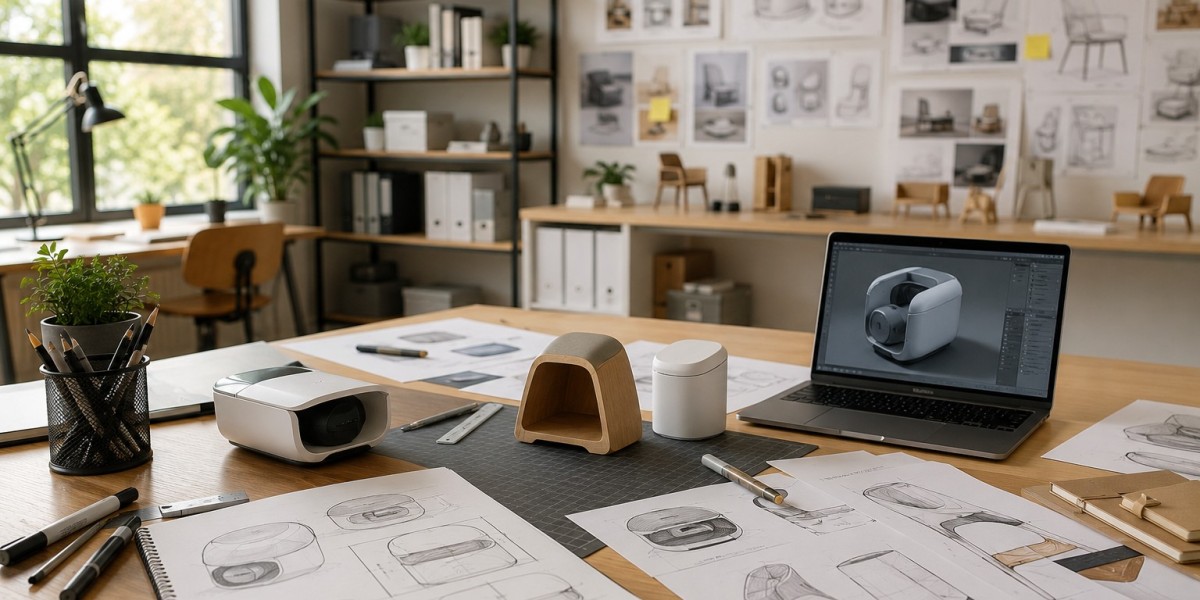

In today's innovation-driven world, selecting the right product design institute can be one of the most important decisions for aspiring designers. A quality institute not only teaches the fundamentals of design but also helps students develop creative thinking, technical expertise, and problem-solving skills that are essential in today's competitive industries. Whether your dream is to create consumer products, smart gadgets, furniture, or sustainable solutions, the right educational foundation can transform your passion into a rewarding career.
Understanding Product Design
Product design is the process of conceptualizing, developing, and refining products that meet user needs while balancing aesthetics, functionality, and manufacturability. It combines creativity with practical engineering principles to produce solutions that improve everyday life. Modern product designers work across various industries, including consumer electronics, healthcare, automotive, furniture, lifestyle products, and industrial manufacturing.
As technology evolves, product designers are expected to understand user behavior, sustainability, digital prototyping, and emerging manufacturing methods. This makes professional education more valuable than ever.
Why Choosing the Right Institute Matters
A well-established institute provides much more than classroom learning. It offers students access to experienced faculty, industry-standard software, advanced workshops, and opportunities to collaborate on real-world projects.
The right learning environment encourages experimentation, innovation, and teamwork. Students learn to transform ideas into functional prototypes while receiving constructive feedback from mentors. This practical exposure builds confidence and prepares graduates for professional challenges.
Institutes that maintain strong industry connections also provide internships, live projects, and placement support, allowing students to gain valuable experience before entering the workforce.
Skills You Develop During Your Course
A comprehensive product design program focuses on both creative and technical development. Throughout the course, students typically learn:
- Design thinking and innovation
- User-centered design principles
- Sketching and concept visualization
- 3D modeling and CAD software
- Rapid prototyping techniques
- Material selection and manufacturing processes
- Ergonomics and usability
- Portfolio development
- Presentation and communication skills
These competencies prepare graduates to work confidently in multidisciplinary teams and solve complex design problems.
Learning Beyond the Classroom
Modern design education emphasizes experiential learning. Workshops, design competitions, exhibitions, and collaborative projects allow students to apply theoretical concepts in practical situations.
Many students also explore interdisciplinary learning by interacting with peers from a fashion design institute or an interior design institute. Such collaborations broaden creative perspectives and demonstrate how different design disciplines influence one another in today's interconnected design ecosystem.
Exposure to diverse creative fields helps students think beyond conventional boundaries and develop innovative solutions that address real-world challenges.
Career Opportunities After Graduation
Product designers are increasingly in demand across multiple industries. Companies seek professionals who can combine creativity with functionality while understanding consumer expectations.
Graduates can pursue roles such as:
- Product Designer
- Industrial Designer
- Furniture Designer
- Consumer Electronics Designer
- Packaging Designer
- UX/Product Design Specialist
- Prototype Developer
- Design Researcher
- Innovation Consultant
Many graduates also establish their own design studios or work as freelance consultants, collaborating with startups and established brands alike.
What to Look for Before Choosing an Institute
Not every institute offers the same learning experience. Before enrolling, students should carefully evaluate several factors, including curriculum quality, faculty expertise, infrastructure, industry exposure, placement assistance, and alumni success.
An ideal institute should provide:
- Industry-relevant curriculum
- Experienced mentors and faculty
- Well-equipped design labs
- Modern prototyping facilities
- Internship opportunities
- Live industry projects
- Strong placement support
- Portfolio guidance
Visiting the campus, reviewing student portfolios, and speaking with alumni can also help make an informed decision.
The Importance of Building a Strong Portfolio
In the design industry, a portfolio often carries more weight than a resume. Employers want to see your creative process, problem-solving approach, research methods, sketches, prototypes, and final outcomes.
Students should consistently document their work throughout their academic journey. Including personal projects, collaborative assignments, and competition entries demonstrates initiative and versatility.
A professionally curated portfolio significantly improves employment prospects and helps graduates stand out during interviews.
Final Thoughts
Choosing the right institute is the first step toward building a successful and fulfilling design career. With the right education, mentorship, practical exposure, and industry experience, aspiring designers can develop the confidence and skills needed to create meaningful products that improve people's lives.
As industries continue to embrace innovation and user-focused solutions, skilled product designers will remain highly valued across the globe. Investing in quality education today opens the door to exciting career opportunities, creative fulfillment, and long-term professional growth. Whether your ambition is to join a leading global company, launch your own design venture, or contribute to groundbreaking innovations, the right educational foundation can help turn your vision into reality.