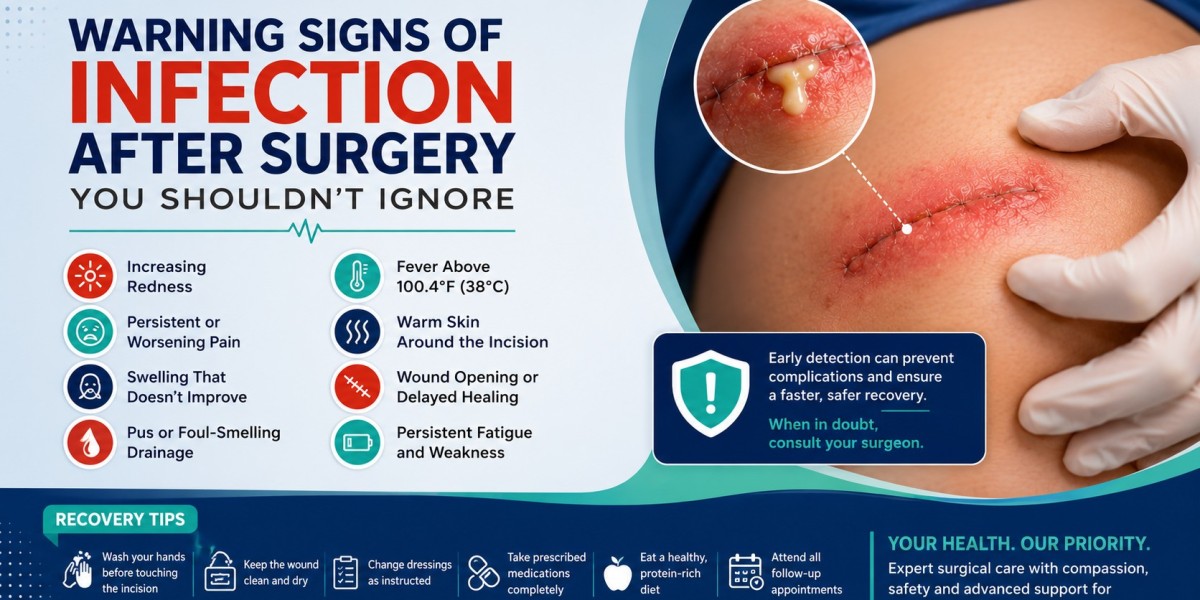

Recovering after surgery is a crucial phase of the healing process. While most patients recover without complications, infections can sometimes develop and delay healing if not treated promptly. Recognizing the warning signs of infection after surgery can make a significant difference in preventing serious health issues. Whether you've undergone a minor procedure or a major operation, understanding what is normal and what requires immediate medical attention is essential.
If you're looking for guidance from the Best General Surgeon in Delhi, choosing an experienced medical team and following proper post-operative care instructions can greatly reduce the risk of complications. At Neptune Hospital, patients receive comprehensive surgical care along with personalized recovery support to ensure a smoother healing journey.
Why Do Surgical Site Infections Happen?
A surgical site infection (SSI) occurs when bacteria enter the incision or surgical area after an operation. Although hospitals follow strict sterilization protocols, infections can still develop due to several factors, including:
Diabetes or uncontrolled blood sugar
Weak immune system
Smoking
Poor wound care
Obesity
Long surgical procedures
Poor nutrition
Existing medical conditions
Following your surgeon's instructions carefully is one of the best ways to lower your risk.
Common Signs of Normal Healing
Not every symptom after surgery indicates an infection. During the first few days, it's common to experience:
Mild pain around the incision
Slight swelling
Minimal redness near stitches
Light bruising
Clear or slightly pink drainage
Mild fatigue
These symptoms usually improve gradually with proper care.
Warning Signs of Infection After Surgery You Shouldn't Ignore
Certain symptoms may indicate that your body is fighting an infection. If you notice any of the following, contact your surgeon immediately.
1. Increasing Redness Around the Incision
A small amount of redness is expected initially. However, redness that continues spreading beyond the incision, becomes darker, or is accompanied by warmth may indicate infection.
If the red area expands each day instead of improving, seek medical evaluation.
2. Persistent or Worsening Pain
Pain should gradually decrease during recovery. If your pain suddenly becomes severe or continues to worsen despite medication, it could signal an underlying infection.
Pain combined with swelling, redness, or fever requires prompt medical attention.
3. Swelling That Doesn't Improve
Some swelling is normal after surgery. However, excessive swelling that continues increasing or becomes hard and painful may indicate fluid buildup or infection.
Ignoring prolonged swelling can delay healing and increase complications.
4. Pus or Foul-Smelling Drainage
One of the clearest signs of infection is thick drainage coming from the surgical wound.
Watch for:
Yellow pus
Green discharge
Brown drainage
Bad odor
Thick cloudy fluid
Healthy wounds generally produce very little clear fluid.
5. Fever Above 100.4°F (38°C)
A mild rise in body temperature immediately after surgery can occur.
However, persistent fever accompanied by chills, sweating, or weakness may indicate your body is fighting an infection.
Never ignore a fever that develops several days after surgery.
6. Warm Skin Around the Incision
An infected wound often feels warmer than the surrounding skin.
This warmth is caused by inflammation and increased blood flow due to bacterial growth.
7. Wound Opening or Delayed Healing
If your stitches begin separating or the incision opens unexpectedly, bacteria can easily enter the wound.
Delayed healing is another warning sign, especially if there is no noticeable improvement after several days.
8. Bad Smell From the Surgical Site
Healthy wounds should not have a strong odor.
A foul smell coming from the dressing or incision often indicates bacterial infection and requires immediate evaluation.
9. Persistent Fatigue and Weakness
Feeling tired after surgery is expected.
However, worsening fatigue combined with fever, chills, or poor appetite could suggest your body is fighting an infection.
10. Swollen Lymph Nodes
Sometimes nearby lymph nodes become enlarged as your immune system responds to infection.
This symptom should not be ignored, particularly when accompanied by other warning signs.
Who Is at Higher Risk of Surgical Infection?
Some patients have a greater chance of developing post-operative infections.
These include people with:
Diabetes
Heart disease
Kidney disease
Obesity
Smoking habits
Poor nutrition
Advanced age
Weak immune systems
Patients in these groups should pay extra attention to wound care and attend all scheduled follow-up appointments.
How to Prevent Infection After Surgery
Preventing infection starts before surgery and continues throughout recovery.
Here are some practical tips:
Wash your hands before touching the incision.
Keep the wound clean and dry.
Change dressings exactly as instructed.
Complete the full course of prescribed antibiotics.
Avoid smoking and alcohol during recovery.
Eat a protein-rich diet to support healing.
Stay hydrated.
Avoid lifting heavy objects too soon.
Wear loose, clean clothing around the surgical area.
Attend every follow-up appointment.
These simple measures can significantly reduce the risk of complications.
When Should You Call Your Surgeon?
Contact your healthcare provider immediately if you experience:
Fever over 100.4°F
Increasing redness
Severe swelling
Thick or foul-smelling discharge
Continuous bleeding
Severe pain
Difficulty breathing
Persistent vomiting
Wound opening
Chills or confusion
Early treatment often prevents infections from becoming more serious.
Importance of Choosing an Experienced General Surgeon
Successful surgery doesn't end in the operating room. Proper surgical planning, sterile techniques, and attentive follow-up care all contribute to a safe recovery.
Choosing the Best General Surgeon in Delhi can help reduce surgical risks and improve overall outcomes. An experienced surgeon not only performs the procedure with precision but also closely monitors recovery, ensuring any complications are identified and treated early.
At Neptune Hospital, patients benefit from advanced surgical facilities, modern diagnostic support, and dedicated post-operative care. The experienced surgical team focuses on patient safety, personalized treatment plans, and timely follow-ups, helping individuals recover with confidence.
Final Thoughts
Recovering after surgery requires patience, proper wound care, and close attention to your body's signals. While some discomfort is a normal part of healing, symptoms such as worsening redness, pus, persistent fever, increasing pain, or foul-smelling drainage should never be ignored.
Seeking medical advice at the first sign of infection can prevent complications, shorten recovery time, and protect your overall health. If you're planning surgery or need expert post-operative care, consulting the Best General Surgeon in Delhi at Neptune Hospital can provide the experienced guidance and support needed for a safe and successful recovery.
Frequently Asked Questions (FAQs)
1. How can I tell if my surgical wound is infected?
Common signs include increasing redness, swelling, warmth, pus-like discharge, fever, worsening pain, and a foul smell from the incision. If you notice these symptoms, contact your surgeon promptly.
2. Is some redness around the incision normal?
Yes. Mild redness near the incision is normal during the first few days after surgery. However, redness that spreads, becomes more intense, or is accompanied by pain or fever may indicate an infection.
3. Can a surgical site infection heal on its own?
Minor irritation may improve with proper wound care, but a true surgical site infection usually requires medical evaluation and treatment, which may include antibiotics or additional wound care.
4. How long after surgery can an infection develop?
Most surgical site infections occur within 30 days after surgery, though some may appear later, especially if implants or medical devices were used.
5. What foods help wounds heal faster after surgery?
Protein-rich foods such as eggs, paneer, fish, chicken, lentils, dairy products, nuts, along with fruits and vegetables rich in vitamin C and zinc, can support tissue repair and recovery.
6. Why should I choose Neptune Hospital for general surgery?
Neptune Hospital provides experienced surgical specialists, advanced operation theatres, comprehensive pre-operative evaluation, and dedicated post-operative care. Patients seeking the Best General Surgeon in Delhi can benefit from personalized treatment plans and a strong focus on safe, effective recovery.