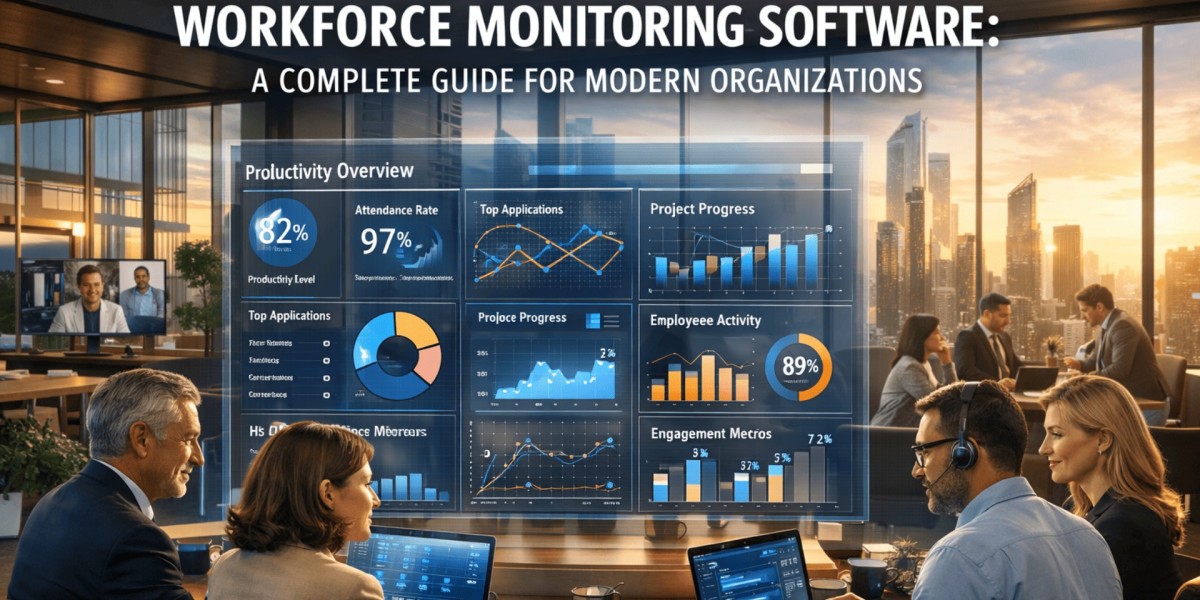

Are you looking for a better way to understand employee productivity, improve operational efficiency, and maintain security across your organization? If so, workforce monitoring software may be the solution.
In simple terms, it helps organizations track, analyze, and optimize employee activities during work hours. It provides managers with valuable insights into work patterns, application usage, productivity trends, and compliance-related activities.
As hybrid and remote work environments continue to grow, organizations increasingly rely on monitoring tools to gain visibility into workflows, identify inefficiencies, and support data-driven decision-making.
Quick Answer: What Does Workforce Monitoring Software Do?
A workforce monitoring software solution helps organizations:
- Track employee work activities and productivity trends
- Monitor application and website usage
- Improve operational efficiency
- Strengthen security and compliance
- Generate workforce analytics and reports
- Support remote and hybrid workforce management
When implemented transparently and ethically, workforce monitoring software can help both employees and employers achieve better outcomes through greater visibility, accountability, and data-driven decision-making.
Why Organizations Use Workforce Monitoring Solutions
Modern businesses face several workforce management challenges, including remote work oversight, productivity measurement, and data security concerns. Monitoring solutions address these challenges by providing actionable insights.
Key business objectives include:
- Increasing productivity visibility
- Improving project accountability
- Identifying workflow bottlenecks
- Supporting compliance requirements
- Reducing insider security risks
- Optimizing resource allocation
Rather than relying on assumptions, managers can use real-time data to understand how work is performed and where improvements can be made.
Essential Features to Look For
Not all monitoring platforms offer the same capabilities. Organizations should evaluate solutions based on their specific business goals.
Activity Tracking
Activity tracking provides visibility into employee work patterns, including:
- Active and idle time
- Login and logout activity
- Application usage
- Website visits
- Work session duration
Productivity Analytics
Advanced analytics help organizations understand performance trends by providing:
- Productivity scores
- Team performance insights
- Workload distribution reports
- Trend analysis dashboards
Time Tracking Capabilities
Accurate time tracking supports workforce planning and project management.
Common functions include:
- Automatic time capture
- Project-based tracking
- Attendance monitoring
- Shift management
Reporting and Dashboards
Customizable reports allow managers to monitor key performance indicators and make informed decisions.
Useful reporting features include:
- Daily productivity reports
- Team activity summaries
- Utilization metrics
- Executive dashboards
How Monitoring Software Improves Business Performance
Organizations that use monitoring technologies effectively often experience improvements in several operational areas.
Better Productivity Management
Managers gain a clearer understanding of how employees spend their work hours. This visibility helps identify distractions, optimize workflows, and support higher performance levels.
Enhanced Security and Compliance
Many organizations use user activity monitoring software to detect unusual behavior, monitor access to sensitive information, and maintain compliance with internal policies and regulatory requirements.
Security teams can investigate suspicious activity more efficiently and reduce the risk of data misuse.
Improved Remote Workforce Oversight
Remote work offers flexibility but can create management challenges. Monitoring tools provide visibility without requiring constant supervision, allowing leaders to focus on outcomes rather than assumptions.
Data-Driven Decision Making
Workforce analytics help organizations make smarter decisions regarding staffing, scheduling, workload balancing, and operational improvements.
Best Practices for Ethical Implementation
Monitoring technology should always be implemented responsibly. Transparency is critical for maintaining employee trust and fostering a positive workplace culture.
Communicate Clearly
Employees should understand:
- What information is being collected
- Why monitoring is necessary
- How collected data will be used
- What privacy protections exist
Focus on Improvement, Not Surveillance
Successful organizations use monitoring data to support productivity, coaching, and operational efficiency rather than creating a culture of fear.
Establish Clear Policies
Written policies should define:
- Acceptable use standards
- Data retention practices
- Monitoring scope
- Employee rights and responsibilities
Protect Employee Privacy
Organizations should balance business needs with employee privacy expectations by limiting data collection to legitimate business purposes.
Common Challenges and How to Address Them
While monitoring solutions provide significant benefits, implementation can present challenges.
Employee Resistance
Some employees may view monitoring negatively.
Solution:
- Communicate openly
- Explain business objectives
- Emphasize productivity and support benefits
Data Overload
Large volumes of workforce data can become difficult to manage.
Solution:
- Focus on meaningful metrics
- Use automated reporting
- Prioritize actionable insights
Compliance Concerns
Different regions have varying privacy regulations.
Solution:
- Consult legal and compliance teams
- Review local regulations
- Establish compliant monitoring practices
Choosing the Right Solution
Before selecting a platform, organizations should evaluate:
- Business objectives
- Workforce size
- Remote work requirements
- Security needs
- Integration capabilities
- Reporting functionality
- Scalability
The most effective software aligns with organizational goals while supporting employee productivity and engagement.
Additionally, businesses should ensure that the chosen workforce monitoring software can adapt to future workforce changes and evolving operational requirements.
You can also watch this video: Manage Remote Work Easily With Powerful Monitoring Software: EmpMonitor(EmpMonitor AV Ad)
Summary
Workforce monitoring software has become an essential tool for modern organizations seeking to improve productivity, strengthen security, and gain deeper visibility into workforce performance. By providing actionable insights into employee activities, work patterns, and operational efficiency, these solutions help businesses make informed decisions and optimize resource allocation.
When implemented with transparency, clear policies, and respect for employee privacy, it can deliver measurable benefits for both employers and employees. The key to success is using the technology to support performance improvement, collaboration, compliance, and data-driven decision-making rather than excessive oversight.
Frequently Asked Questions
Is workforce monitoring legal?
In many jurisdictions, employee monitoring is legal when conducted transparently and in compliance with applicable privacy and labor regulations. Organizations should always consult legal experts regarding local requirements.
Does monitoring software reduce productivity?
When implemented ethically, monitoring solutions often improve productivity by identifying inefficiencies, supporting accountability, and enabling better workflow management.
Can monitoring tools support remote employees?
Yes. Many modern solutions are specifically designed to provide visibility into remote and hybrid work environments while supporting collaboration and performance management.
What industries benefit most from monitoring software?
Industries such as finance, healthcare, technology, customer service, manufacturing, and professional services commonly use monitoring solutions to improve productivity, security, and compliance.