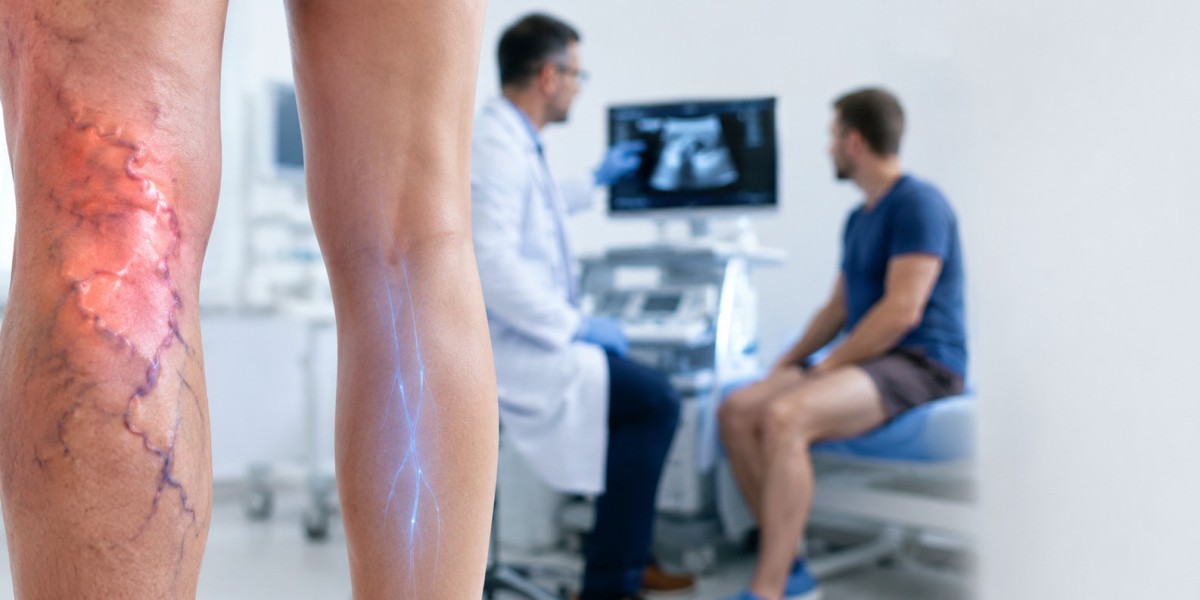

The right time for varicose vein treatment is when symptoms begin affecting daily life, when visible veins are accompanied by discomfort, or when complications such as swelling or skin changes develop. While not every varicose vein requires immediate treatment, waiting too long may allow the underlying vein disease to progress and limit the opportunity for early intervention.
Many people postpone treatment because they believe varicose veins are only a cosmetic concern. Others wait until the discomfort becomes difficult to ignore. The reality is that visible veins often represent an underlying circulation problem that may gradually worsen over time. Understanding when varicose veins treatment should be considered can help patients make informed decisions before symptoms begin interfering with comfort, mobility, or quality of life.
Do All Varicose Veins Need Treatment?
No.
Many people have mild varicose veins that cause little or no discomfort.
If the veins are not causing pain, swelling, skin changes, or affecting daily activities, doctors may recommend monitoring rather than immediate intervention.
Treatment decisions are based on symptoms, vein function, and overall health rather than appearance alone.
According to the National Health Service (NHS), not every case of varicose veins requires treatment, especially when symptoms are minimal.
What Symptoms Suggest It May Be Time for Treatment?
Symptoms often provide the clearest indication that medical evaluation is appropriate.
Common signs include:
Persistent leg aching
A feeling of heaviness
Swelling around the ankles
Burning or throbbing sensations
Night cramps
Itching over affected veins
Many patients notice these symptoms becoming worse after standing for long periods and improving after elevating the legs.
When symptoms begin occurring regularly, treatment may help improve comfort and prevent further progression.
Can Waiting Too Long Make Varicose Veins Worse?
Yes.
Varicose veins usually develop gradually because the damaged vein valves continue allowing blood to pool inside the veins.
As pressure increases over time, symptoms may become more noticeable and additional veins may become affected.
According to the Society for Vascular Surgery, chronic venous disease is progressive and may worsen if the underlying circulation problem is left untreated.
Early evaluation allows doctors to assess the condition before more advanced complications develop.
Are Skin Changes a Warning Sign?
Yes.
Skin changes often indicate that vein disease has progressed beyond simple visible veins.
Warning signs may include:
Brown discoloration around the ankles
Dry or itchy skin
Thickened skin
Slow-healing wounds
Venous leg ulcers
These changes suggest that long-standing venous pressure is affecting the surrounding tissues.
When skin changes appear, medical assessment should not be delayed.
Should Treatment Be Considered Even Without Severe Pain?
Sometimes.
Pain is not the only factor doctors consider.
Some patients experience only mild discomfort but develop persistent swelling or worsening skin changes. Others seek treatment because symptoms interfere with work, exercise, or prolonged standing.
The decision depends on how the condition affects daily life rather than pain intensity alone.
Many patients benefit from evaluation before symptoms become severe.
Can Compression Stockings Delay the Need for Treatment?
Compression stockings can help manage symptoms by supporting blood flow in the legs.
Many patients experience temporary improvement in:
Swelling
Heaviness
Aching
However, compression stockings do not repair damaged vein valves.
According to the National Institute for Health and Care Excellence (NICE), compression therapy helps control symptoms but does not eliminate the underlying cause of varicose veins.
Patients with significant venous reflux may still require procedural treatment.
What Happens During a Vein Evaluation?
The first step is usually a physical examination.
Doctors often recommend a duplex ultrasound to examine blood flow inside the veins and identify which veins are no longer functioning properly.
Ultrasound helps determine:
The source of venous reflux
The severity of vein disease
Which treatment options are most appropriate
Many patients are surprised to learn that the largest visible vein is not always the primary source of the problem.
What Modern Treatment Options Are Available?
Treatment has changed significantly over the past decade.
Today, many patients receive minimally invasive procedures rather than traditional surgery.
Common options include:
Endovenous Laser Ablation (EVLA)
Radiofrequency Ablation (RFA)
Foam Sclerotherapy
Venaseal
These treatments work by closing the diseased vein and allowing blood to flow through healthier veins.
Many procedures are performed on an outpatient basis with relatively short recovery times.
Is Earlier Treatment Better Than Waiting?
For many patients, yes.
Early treatment may help relieve symptoms before chronic venous disease progresses to swelling, skin damage, or venous ulcers.
It may also reduce the impact of symptoms on work, exercise, travel, and daily activities.
Seeking evaluation early does not necessarily mean treatment will be recommended immediately. Instead, it provides accurate information about the current stage of vein disease and the most appropriate management plan.
Conclusion
The right time for varicose vein treatment depends on more than the appearance of visible veins. Persistent discomfort, swelling, skin changes, and interference with daily activities are all important signs that the underlying vein disease may require medical attention. Early evaluation allows doctors to determine whether monitoring, conservative care, or minimally invasive treatment is the most appropriate approach.
Modern vein treatments can often address the underlying circulation problem before advanced complications develop. Understanding when to seek evaluation helps patients make timely decisions and maintain long-term vein health. Those interested in learning more about modern treatment options can explore information provided by the best doctor for varicose veins in jaipur and better understand which approach may be suitable for their condition.
Frequently Asked Questions
When should I see a doctor for varicose veins?
Medical evaluation is recommended when symptoms such as pain, swelling, skin changes, itching, or heaviness begin affecting daily life.
Can mild varicose veins be monitored without treatment?
Yes. Mild cases without significant symptoms may only require regular observation and healthy lifestyle measures.
Are varicose veins easier to treat in the early stages?
Early evaluation often provides more treatment options and may help prevent progression to advanced venous disease.
Do compression stockings cure varicose veins?
No. Compression stockings help manage symptoms but do not repair damaged vein valves.
What is the first test performed before treatment?
A duplex ultrasound is commonly performed to evaluate blood flow, identify venous reflux, and guide treatment planning.