
Colorful dipped treats can look simple, but anyone avoiding gluten must check more than flavor and color. gluten free candy melts are coating wafers made without gluten-containing ingredients and handled in a way that limits cross-contact. They melt into a smooth coating for cake pops, cookies, fruit, pretzels, and molded sweets.
Candy melts are not always real chocolate. Many use sugar, vegetable oil, milk ingredients, colors, and flavors. The formula may still include risky ingredients or be made on shared equipment. A label check helps you choose safely.
What Are Gluten-Free Melting Wafers?
Gluten free candy melts are small wafers designed to melt quickly and set firm at room temperature. Unlike standard chocolate, they usually do not need tempering. That makes them useful for beginners who want a neat finish without special tools.
The words “wheat-free” and “gluten-free” do not mean the same thing. Gluten is found in wheat, barley, rye, and related grains. In the United States, food carrying a gluten-free claim must contain less than 20 parts per million of gluten. People with celiac disease should still read the full package because formulas and production methods can change.
How to Choose Gluten-Free Melting Wafers
Start with the package. A clear gluten-free claim is more useful than guessing from ingredients alone. Then check the allergen statement and shared-equipment warning.
Look for:
- A clear “gluten-free” label or trusted certification
- No wheat, barley, rye, malt, cookie crumbs, or wafer pieces
- Clear details about shared lines or cross-contact controls
- A current label on the exact color and flavor you plan to buy
- Separate checks for seasonal products, since recipes may differ
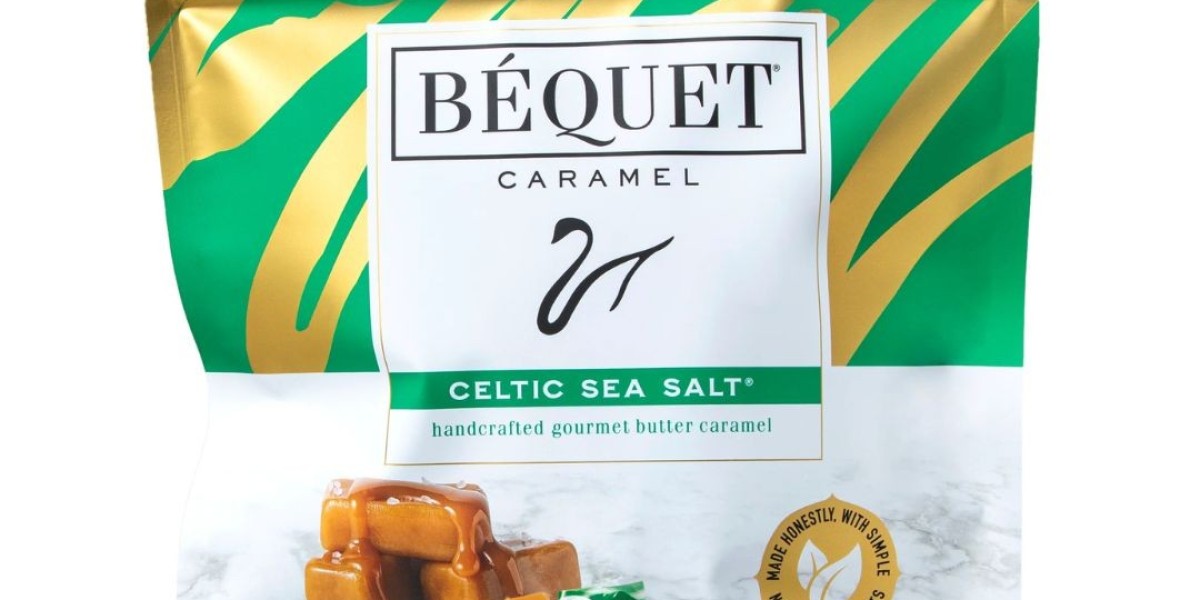
For a mixed dessert table, pair gluten free candy melts with labeled gluten-free candies. Béquet’s collection includes certified gluten-free caramels and caramel cups, adding a soft, rich option beside coated treats. The page does not present those caramels as melting wafers, so use them as ready-to-eat sweets.
How to Use Gluten-Free Candy Coating
Place dry wafers in a clean microwave-safe bowl. Heat for short periods, stirring well after each round. Stop when most pieces have softened. The remaining heat will finish the job as you stir.
For better results:
- Keep bowls, spoons, molds, and trays fully dry
- Use separate tools if your kitchen also handles regular flour
- Melt slowly to prevent scorching or thickening
- Add only a small amount of approved thinning oil when needed
- Let dipped treats set on clean parchment paper
Do not add water. Even a few drops can make the coating stiff or grainy. When coating cake pops, chill them until firm but not frozen. A very cold center can cause the shell to crack as it warms.
Gluten-Free Candy Coating for Desserts and Gifts
Use gluten free candy melts for strawberries, marshmallows, cake pops, cereal treats made with certified ingredients, and gluten-free pretzels. They also work well in silicone molds for simple shapes.
Cross-contact can happen after melting. Keep finished treats away from regular cookies, crumbs, shared serving tongs, and open flour. For gifts, list the ingredients and note where the treats were prepared. Never describe a homemade item as celiac-safe unless every ingredient and preparation step truly supports that claim.
Frequently Asked Questions
Are candy melts gluten free?
Some are, but not all. Check the exact package for a gluten-free claim and review the allergen and shared-equipment statements.
What are candy melts made of?
Most contain sugar, vegetable fats, milk ingredients, colors, and flavors. Formulas vary by brand and flavor.
Can people with celiac disease eat candy melts?
They should choose products clearly labeled gluten-free and avoid cross-contact during melting, dipping, storage, and serving.
How do you thin gluten free candy melts?
Add a very small amount of a manufacturer-approved thinning oil or shortening, then stir until smooth. Never use water.
Can melting wafers replace chocolate?
Yes, for coating and molding. They set easily, but their flavor and texture differ from real tempered chocolate.
Why do gluten free candy melts become thick?
Overheating, moisture, or old wafers can cause thickening. Use low heat, stir often, and keep every tool dry.
Conclusion: Choosing Gluten Free Candy Melts
The best gluten free candy melts are clearly labeled, easy to trace, and used with clean tools. Check every flavor, melt slowly, avoid water, and protect finished sweets from crumbs. Careful steps help create bright, smooth treats that more guests can enjoy with confidence.