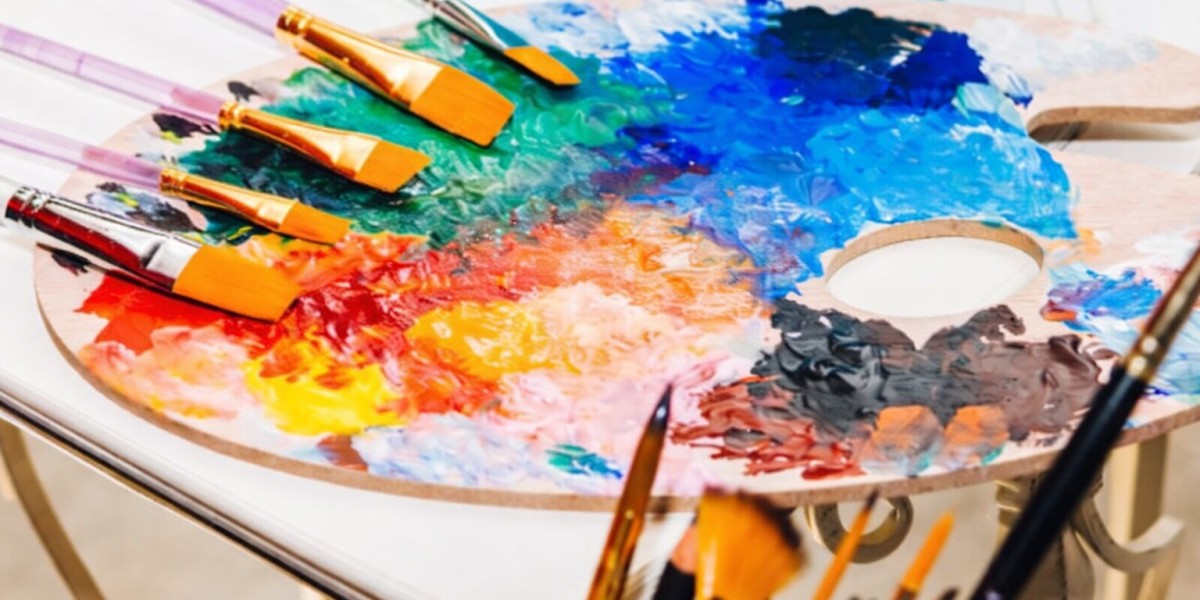

Acrylic paints have become one of the most popular painting mediums among artists of all skill levels. Their vibrant colors, quick drying time, versatility, and ease of use make them an excellent choice for everything from abstract art and landscapes to portraits and mixed-media creations.
While acrylic paints are beginner-friendly, achieving a professional finish requires more than simply applying color to a canvas. The quality of your materials, your painting techniques, and your attention to detail all contribute to the final result.
If you're ready to elevate your artwork, these practical tips will help you achieve professional-looking results with acrylic paints.
Start with High-Quality Acrylic Paints
The foundation of every great painting begins with quality materials. Professional acrylic paints contain higher concentrations of pigment, offering richer colors, smoother application, and better durability than lower-grade alternatives.
Although student-grade paints are suitable for learning, investing in premium acrylic paints allows you to achieve stronger color intensity, smoother blending, and longer-lasting artwork.
Choose the Right Canvas
Even the finest paints won't perform well on an unsuitable surface. Selecting a properly prepared canvas creates a stable foundation and improves paint adhesion.
Popular surfaces include:
Stretched canvas
Canvas panels
Primed wood panels
Acrylic painting paper
MDF boards
For professional-looking artwork, many artists prefer pre-primed cotton or linen canvases because they provide an even texture and consistent results.
Invest in Professional Paint Brushes
Your brushes influence every brushstroke. Using the right brush for the right task makes painting easier and produces cleaner, more controlled results.
A versatile brush collection should include:
Flat brushes for backgrounds and bold strokes
Round brushes for fine details
Filbert brushes for blending
Fan brushes for texture
Detail brushes for intricate work
Cleaning brushes immediately after each session also helps maintain their shape and performance.
Understand Color Mixing
Professional artists rarely rely on paint straight from the tube. Instead, they mix colors to create depth, harmony, and unique tones.
Learning the basics of color theory can dramatically improve your work. Practice creating:
Warm and cool variations
Neutral tones
Shadows and highlights
Complementary color combinations
Gradients and smooth transitions
Mastering color mixing gives your paintings a more polished and realistic appearance.
Build Your Painting in Layers
One of the greatest strengths of acrylic paints is their fast drying time, making them ideal for layered painting.
Rather than applying thick coats all at once, build your artwork gradually by working from larger shapes to finer details.
Layering allows you to:
Increase depth
Refine textures
Correct mistakes
Improve color richness
Create realistic lighting effects
Patience during this stage often separates amateur work from professional-quality paintings.
Improve Your Blending Technique
Many beginners believe acrylic paints cannot be blended smoothly because they dry quickly. In reality, proper blending techniques make a significant difference.
You can improve blending by:
Working in small sections
Using slightly damp brushes
Applying thin layers
Using blending or glazing mediums
Keeping a spray bottle nearby to maintain paint moisture
Smooth transitions between colors create softer, more realistic compositions.
Pay Attention to Composition
Even perfectly applied paint cannot compensate for a weak composition.
Before you begin painting, spend time planning:
The focal point
Balance and symmetry
Subject placement
Background elements
Light direction
Creating a rough sketch beforehand helps prevent major adjustments later in the painting process.
Use Acrylic Mediums
Acrylic mediums allow artists to customize the behavior of their paints without reducing color quality.
Popular mediums include:
Gloss medium
Matte medium
Retarder medium
Modeling paste
Texture gel
Pouring medium
These products expand your creative possibilities while helping you achieve professional effects.
Protect Your Finished Artwork
After your painting has completely dried, applying a quality varnish helps protect it from dust, moisture, and UV exposure.
Varnishing also enhances color vibrancy and gives your artwork a consistent finish, whether you prefer a glossy, satin, or matte appearance.
This final step is often overlooked but plays an important role in preserving your work for years to come.
Practice with Purpose
Every professional artist improves through consistent practice. Rather than painting randomly, focus on developing one skill at a time.
Challenge yourself to practice:
Realistic shading
Texture creation
Brush control
Perspective
Color harmony
Lighting effects
Keeping a sketchbook or painting journal allows you to track your progress and identify areas for improvement.
Essential Supplies for Professional Acrylic Painting
Building a reliable collection of art materials helps produce consistent results. Consider including:
Professional acrylic paint set
Assorted artist brushes
Quality stretched canvas
Palette and palette knife
Acrylic painting mediums
Easel
Sketchbook
Graphite pencils
Varnish
Cleaning supplies
Using dependable art supplies reduces frustration and allows you to focus on your creativity instead of working around poor-quality materials.
Elevate Every Painting
Professional-looking acrylic paintings are the result of thoughtful preparation, quality materials, and consistent practice. By choosing premium acrylic paints, using the right brushes and surfaces, mastering color mixing, and refining your techniques over time, you can create artwork with greater depth, precision, and visual impact.
Every painting is an opportunity to grow as an artist. Invest in reliable art supplies, keep experimenting with new techniques, and enjoy the creative process. With patience and dedication, each canvas brings you one step closer to achieving the professional results you envision.