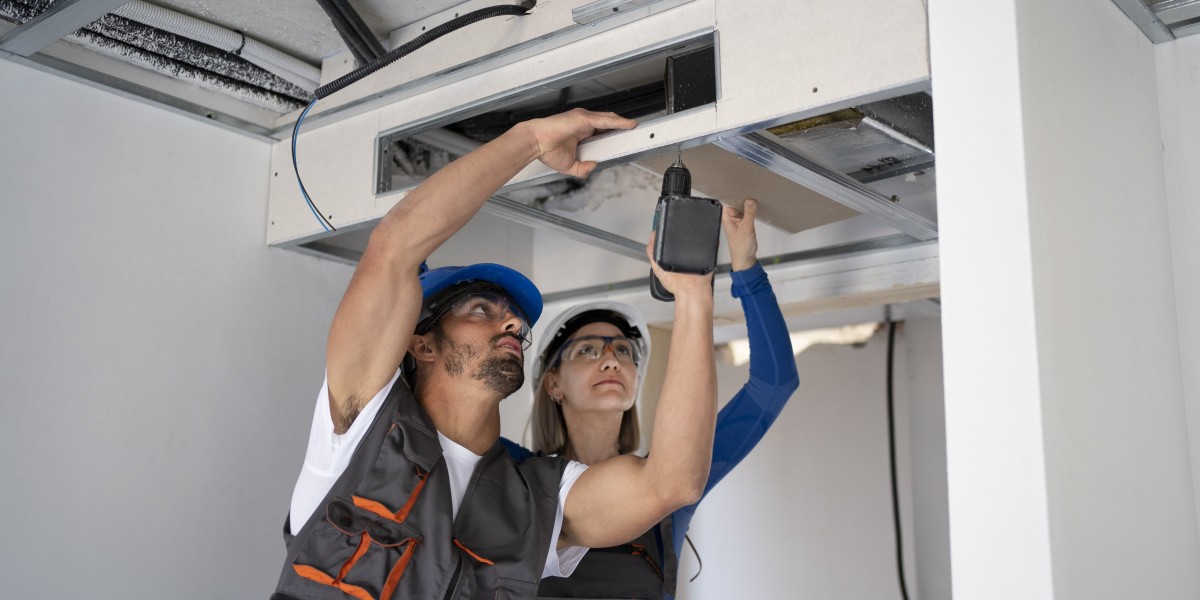

Choosing between a heat pump and a furnace depends on your climate, energy costs, comfort needs, and the condition of your current HVAC system. Both options can keep your home comfortable, but they work in different ways and perform better under different conditions. Many homeowners wait until their old system breaks down before comparing their choices, which often leads to rushed decisions. If you have ever searched for hvac repair denver after your heating system failed during winter, you know how stressful an unexpected breakdown can be. Understanding the differences between these systems before replacement helps you make a smarter choice that fits your home and budget.
Understanding How Each System Works
Although both systems provide heat, they use different methods to warm your home.
A furnace creates heat by burning natural gas, propane, or oil, or by using electricity. Warm air then moves through the ductwork to every room.
A heat pump works differently. Instead of creating heat, it transfers heat from the outdoor air into your home during winter. During summer, it reverses the process and removes heat from inside the house, working like a traditional air conditioner.
Knowing this basic difference makes it easier to compare their strengths.
Heating Performance in Different Climates
Climate is one of the biggest factors when choosing between a furnace and a heat pump.
Heat Pumps
Modern heat pumps perform very well in mild and moderate climates. They provide steady indoor comfort while using less energy than many traditional heating systems.
However, in areas with long periods of extremely cold temperatures, efficiency may decrease because there is less heat available in the outdoor air.
Furnaces
Gas furnaces continue producing strong heat even during freezing weather. They deliver warmer air through the vents, making them popular in regions with harsh winters.
If your area regularly experiences very low temperatures, a furnace may provide more reliable heating during extreme weather.
Comparing Energy Efficiency
Energy efficiency affects monthly utility bills and long term operating costs.
Heat pumps are known for their efficient operation because they transfer heat instead of creating it.
According to the U.S. Department of Energy, heat pumps can reduce electricity use for heating by approximately 50 percent compared to electric resistance heating systems under suitable conditions.
Gas furnaces also achieve high efficiency, especially newer models with high Annual Fuel Utilization Efficiency ratings.
The best choice often depends on local energy prices and your regional climate.
Installation Costs
The initial cost varies depending on the equipment and your home's existing setup.
If your home already has gas lines and ductwork, replacing an older furnace with a new one may be a straightforward project.
Installing a heat pump can sometimes cost more at first, especially if electrical upgrades or additional equipment are required.
However, lower operating costs may offset part of the initial investment over time.
Year Round Comfort
One major advantage of a heat pump is its ability to provide both heating and cooling.
Instead of owning separate systems for winter and summer, homeowners can rely on one unit throughout the year.
A furnace, on the other hand, only provides heat. Most homes with furnaces also require a separate central air conditioning system for summer cooling.
For homeowners looking to simplify their HVAC equipment, this difference may influence the final decision.
Maintenance Requirements
Every heating system benefits from regular maintenance.
Heat pumps operate during both summer and winter, so they often require inspections twice each year to keep them running efficiently.
Furnaces usually receive annual maintenance before the heating season begins.
During one maintenance appointment, I spoke with a technician from Mountain Breeze Heating who explained that many repair calls could have been avoided if homeowners scheduled routine inspections before winter arrived. That conversation reminded me that preventive maintenance is valuable regardless of which heating system you choose.
Expected Lifespan
Most heating systems provide many years of dependable service when properly maintained.
Gas furnaces often last between 15 and 20 years.
Heat pumps generally last around 10 to 15 years because they operate throughout the entire year, handling both heating and cooling duties.
Regular maintenance, clean filters, and timely repairs help extend the life of either system.
Indoor Comfort
Comfort is about more than reaching the desired temperature.
Furnace Comfort
Furnaces usually deliver hotter air through supply vents. Many homeowners enjoy the warm feeling that comes from this stronger airflow during cold winter mornings.
Heat Pump Comfort
Heat pumps supply air at a lower temperature but run for longer periods. This creates more consistent indoor temperatures without frequent temperature swings.
Both systems can provide comfortable living conditions when properly sized and installed.
Environmental Considerations
Heat pumps produce fewer direct emissions because they operate using electricity.
As electrical grids continue adding renewable energy sources, heat pumps may become an even more environmentally friendly option.
Gas furnaces depend on fossil fuels, although modern high efficiency models burn fuel much more efficiently than older systems.
Homeowners who want to reduce energy use often include environmental impact as part of their decision.
Repair Costs
Every heating system eventually needs repairs.
Furnaces may require service for burners, igniters, heat exchangers, or blower motors.
Heat pumps may need repairs involving refrigerant, reversing valves, compressors, or outdoor components.
Routine maintenance reduces the likelihood of expensive repairs for either type of equipment.
Which System Is Right for Your Home?
The answer depends on several important questions.
Choose a heat pump if:
You Want Heating and Cooling Together
One system handles both seasons.
You Live in a Moderate Climate
Heat pumps perform especially well where winters are not extremely cold.
Lower Electricity Use Is Important
Efficient operation may reduce monthly energy costs.
Choose a furnace if:
Winters Are Long and Very Cold
Gas furnaces continue producing strong heat even in freezing temperatures.
You Already Have Natural Gas Service
Replacing an existing furnace may be the simplest option.
You Prefer Warmer Supply Air
Many homeowners enjoy the stronger feeling of heated air from a furnace.
Simple Tips Before Making a Decision
Before replacing your heating system:
Compare long term operating costs instead of only installation price.
Schedule a professional inspection of your current HVAC equipment.
Consider local climate and utility costs.
Think about future maintenance requirements.
Select equipment that matches the size of your home.
According to the U.S. Environmental Protection Agency, Americans spend about 90 percent of their time indoors. Choosing the right heating system contributes to better comfort throughout the year.
Conclusion
Both heat pumps and furnaces offer dependable home heating, but the best choice depends on your home's location, energy costs, comfort preferences, and long term goals. Heat pumps provide efficient heating and cooling in one system, while furnaces continue delivering reliable warmth during harsh winters. By understanding how each system works and considering your household's needs, you can make a confident decision that improves comfort, supports energy efficiency, and serves your home well for many years.