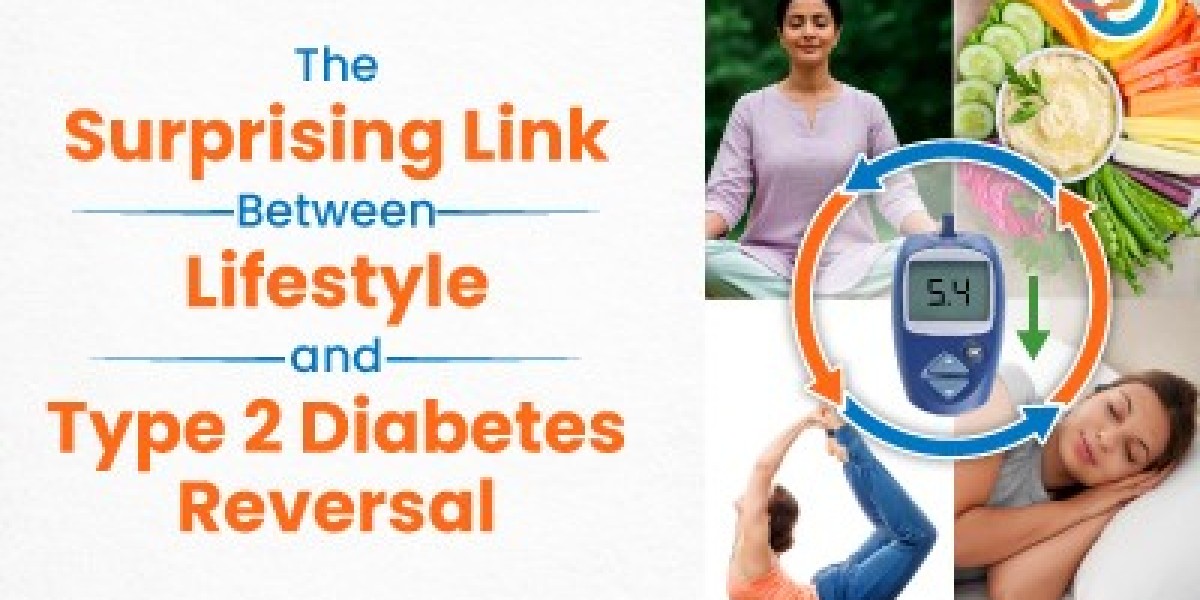

The Surprising Link Between Lifestyle and Type 2 Diabetes Reversal
For many people, a diagnosis of Type 2 diabetes feels like the beginning of lifelong medication and constant blood sugar monitoring. But growing evidence and real-world experiences show that meaningful lifestyle changes can dramatically improve blood sugar control and, in some cases, lead to diabetes remission.
Type 2 diabetes remains a serious metabolic condition, yet it is strongly influenced by daily habits. Nutrition, physical activity, sleep quality, stress levels, and body weight all affect how the body responds to insulin. Understanding these connections can help people focus on long-term health improvements rather than symptom management alone.
Understanding Type 2 Diabetes Reversal
When discussing diabetes reversal, the term commonly used is remission.
Diabetes remission generally means maintaining healthy blood sugar levels for an extended period without the ongoing use of diabetes medications. It does not mean diabetes is permanently cured. Blood sugar may rise again if previous lifestyle habits return.
This is why consistent lifestyle changes remain the foundation for maintaining results.
Why Lifestyle Plays Such an Important Role
Type 2 diabetes develops largely because of insulin resistance.
Insulin is responsible for helping glucose move from the bloodstream into cells where it is used for energy. When cells become resistant to insulin, glucose accumulates in the blood, causing elevated sugar levels.
Several common factors may contribute to insulin resistance:
Excess body weight
Sedentary lifestyle
Poor dietary habits
Sleep deprivation
Chronic stress
Long-term metabolic imbalance
Many of these factors can be improved through sustainable daily habits.
1. Build a Balanced Eating Pattern
Food choices directly influence blood sugar levels and insulin response.
A practical eating pattern focuses on whole, minimally processed foods and reduces dependence on highly refined products.
Foods commonly included in balanced diabetes-friendly meals:
Non-starchy vegetables
Whole fruits in moderate portions
Legumes and pulses
Nuts and seeds
Healthy fats
Protein-rich foods
Reducing highly processed foods, sugary beverages, and refined carbohydrates may support better glucose control.
Focus on Quality, Not Extreme Restriction
Instead of eliminating entire food groups, building balanced meals often creates more sustainable results.
Including fiber-rich foods and adequate protein may help improve satiety and support healthier blood sugar responses.
2. Sustainable Weight Loss Can Improve Blood Sugar
Body weight, especially excess abdominal fat, has a strong relationship with insulin resistance.
Research has consistently shown that even modest weight reduction may improve glucose regulation and reduce metabolic strain.
Healthy weight management is not about rapid dieting. Long-term improvements usually come from:
Consistent meal habits
Portion awareness
Regular activity
Better sleep patterns
Reduced reliance on ultra-processed foods
Small changes maintained over time often produce more lasting results.
3. Physical Activity Supports Insulin Sensitivity
Exercise plays an important role in helping muscles use glucose more effectively.
During movement, muscles absorb glucose and improve insulin efficiency.
Activities that support metabolic health include:
Walking
Cycling
Swimming
Strength training
Yoga
Mobility exercises
Even moderate daily movement can contribute to healthier blood sugar patterns.
The Value of Post-Meal Movement
A short walk after meals is a simple habit that may support glucose management and reduce prolonged blood sugar elevations.
4. Sleep and Stress Influence Blood Sugar More Than Expected
Nutrition and exercise receive most of the attention, but sleep and stress also affect metabolism.
Poor sleep can increase insulin resistance and alter appetite regulation.
Chronic stress may elevate cortisol levels, making blood sugar management more difficult.
Helpful habits may include:
Maintaining consistent sleep timing
Creating relaxing evening routines
Practicing mindfulness
Spending time outdoors
Managing work and recovery balance
These habits support overall metabolic function.
Can Lifestyle Changes Lower HbA1c?
Many individuals experience improvements in HbA1c after making changes to diet, exercise, sleep, and body weight.
The amount of improvement varies depending on individual factors such as duration of diabetes, overall health, and consistency of lifestyle habits.
Lower HbA1c values often reflect improved long-term blood sugar management.
Long-Term Habits Matter More Than Short-Term Plans
There is no single solution that works for everyone.
Successful diabetes management usually combines:
Nutritious eating
Regular movement
Healthy sleep
Stress management
Consistent follow-through
Progress often happens gradually and becomes more sustainable when changes fit everyday life.
Final Thoughts
Type 2 diabetes does not always follow a fixed path. Lifestyle changes for Type 2 diabetes reversal can significantly influence insulin sensitivity, blood sugar control, blood glucose management, and overall metabolic health.
A structured approach that includes balanced nutrition, a diabetes-friendly diet, regular physical activity, exercise for diabetes management, restorative sleep, stress management, and healthy weight loss may help support Type 2 diabetes reversal and improve long-term outcomes.
The most meaningful changes are often built through everyday decisions that support health over time, promote better insulin function, improved metabolic health, healthy blood sugar levels, and sustainable diabetes management.
Source URL: https://www.freedomfromdiabetes.org/blog/post/lifestyle-changes-for-type-2-diabetes-reversal/5318