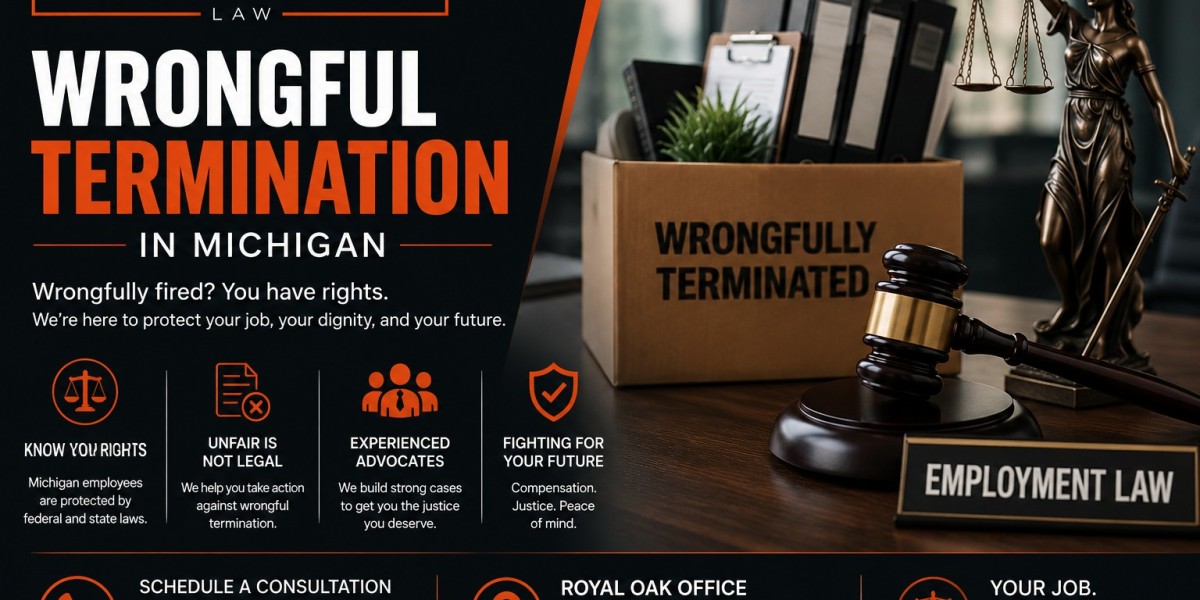

Losing your job unexpectedly can be one of the most stressful experiences you face. Beyond the immediate loss of income, termination can affect your financial security, career prospects, health insurance, and emotional well-being. While Michigan is generally an at-will employment state, that does not mean every termination is lawful. If you believe your employer fired you for an illegal reason, understanding Wrongful Termination in Michigan is the first step toward protecting your rights.
Many employees mistakenly believe they have no legal options after being terminated. In reality, both Michigan and federal laws prohibit employers from firing employees under certain circumstances. An experienced employment attorney can evaluate your situation, explain your legal rights, and help determine whether you have a valid wrongful termination claim.
What Is Wrongful Termination?
Wrongful termination occurs when an employer dismisses an employee in violation of federal law, Michigan law, an employment contract, or established public policy.
Although Michigan generally follows the doctrine of at-will employment, employers cannot terminate employees for illegal reasons.
Examples of unlawful termination may include:
Workplace discrimination
Retaliation
Whistleblower activity
Taking protected medical leave
Reporting illegal conduct
Exercising legal employment rights
Breach of an employment contract
If your dismissal falls into one of these categories, you may have legal grounds to pursue compensation.
Understanding At-Will Employment
Michigan is an at-will employment state. This means employers may generally terminate employees at any time and for almost any lawful reason, with or without notice.
However, employers cannot terminate employees because they:
Report illegal activities
File discrimination complaints
Request legally protected leave
Serve on a jury
Exercise protected workplace rights
Refuse to engage in illegal conduct
These important exceptions provide legal protection for employees facing unlawful treatment.
Wrongful Termination Based on Discrimination
Federal and Michigan laws prohibit employers from firing employees because of protected characteristics.
Protected categories include:
Race
Color
Religion
National origin
Sex
Pregnancy
Age
Disability
Genetic information
Military status in certain situations
If discrimination influenced your termination, you may have the right to pursue legal action against your employer.
Retaliation Claims
Employees are legally protected from retaliation when they engage in certain protected activities.
Examples include:
Reporting workplace discrimination
Filing harassment complaints
Reporting wage violations
Participating in workplace investigations
Reporting safety concerns
Requesting disability accommodations
Taking Family and Medical Leave Act (FMLA) leave
If you were fired shortly after engaging in protected activity, your attorney may investigate whether retaliation occurred.
Employment Contracts
Some employees work under written employment contracts that limit an employer's ability to terminate employment.
Employment contracts may specify:
Grounds for termination
Notice requirements
Severance benefits
Progressive discipline procedures
Contract duration
If your employer violated the terms of your employment agreement, you may have a breach of contract claim in addition to a wrongful termination case.
Whistleblower Protections
Michigan law protects employees who report illegal or unethical conduct in the workplace.
Whistleblower claims may involve reporting:
Fraud
Financial misconduct
Workplace safety violations
Environmental violations
Healthcare fraud
Government contract violations
Employers cannot legally terminate employees simply because they report unlawful conduct in good faith.
Family and Medical Leave Act (FMLA)
Eligible employees who qualify for leave under the Family and Medical Leave Act receive important legal protections.
Employers generally cannot terminate employees for:
Taking approved FMLA leave
Requesting FMLA leave
Caring for a qualifying family member
Recovering from a serious medical condition
Returning from protected medical leave
If your termination occurred because you exercised FMLA rights, you may have a strong legal claim.
Evidence That Supports a Wrongful Termination Claim
Building a successful wrongful termination case requires strong documentation.
Helpful evidence may include:
Employment contracts
Performance evaluations
Employee handbooks
Emails and text messages
Written warnings
Human resources complaints
Witness statements
Payroll records
Medical leave documentation
Termination letters
An employment attorney carefully reviews these materials to determine whether your legal rights were violated.
Compensation Available
Employees who successfully pursue wrongful termination claims may recover compensation depending on the circumstances of the case.
Potential damages may include:
Lost wages
Future lost earnings
Lost employment benefits
Emotional distress damages
Attorney's fees where permitted
Reinstatement to employment
Front pay
Punitive damages in certain federal claims
The available remedies depend upon the specific laws involved and the facts of your case.
What to Do After Being Wrongfully Terminated
If you believe your employer terminated you illegally, taking prompt action is important.
Consider the following steps:
Request copies of your employment records.
Save emails and written communications.
Preserve performance reviews.
Keep copies of your termination paperwork.
Write down the events leading to your termination.
Avoid deleting electronic evidence.
Consult an experienced employment attorney as soon as possible.
Early legal guidance can help preserve valuable evidence and ensure important filing deadlines are met.
Why Hire an Employment Lawyer?
Wrongful termination cases often involve complex legal standards and strict procedural requirements.
An experienced employment attorney can:
Evaluate your legal claims
Review employment records
Gather supporting evidence
Negotiate with your employer
File administrative complaints
Represent you during litigation
Protect your legal rights throughout the process
Professional legal representation can significantly improve your ability to obtain a favorable outcome.
Choosing the Right Employment Attorney
When selecting legal counsel, look for an attorney with:
Extensive employment law experience
Knowledge of Michigan labor laws
Strong negotiation skills
Litigation experience
Clear communication
Personalized legal strategies
An experienced attorney will explain your rights, answer your questions, and develop a strategy designed to protect your career and financial future.
Conclusion
Experiencing Wrongful Termination in Michigan can be overwhelming, but losing your job does not necessarily mean your employer acted lawfully. If you believe your termination resulted from discrimination, retaliation, whistleblower activity, FMLA leave, or another unlawful reason, you may have important legal rights.
By consulting an experienced employment attorney promptly, you can better understand your options, preserve critical evidence, and pursue the compensation you deserve. Taking action early may significantly improve your chances of holding your employer accountable while protecting your career, financial stability, and future.