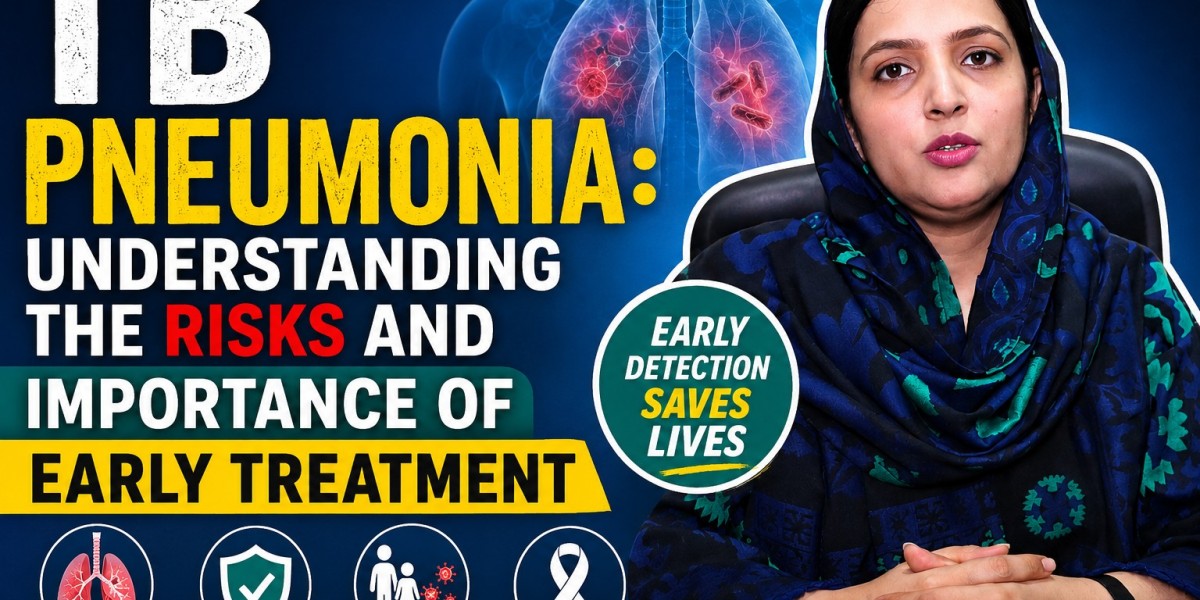

TB Pneumonia: Understanding the Risks and Importance of Early Treatment
A long-lasting cough is often ignored as a seasonal infection or a simple chest problem. However, when coughing continues for weeks along with fever, chest pain, weakness, or breathing difficulty, it may point toward a more serious condition like TB Pneumonia. Many people delay treatment because the symptoms develop slowly, but this delay can increase complications and spread infection to others.
TB Pneumonia is a lung infection linked to tuberculosis bacteria. It affects breathing, weakens the lungs, and can become dangerous if proper treatment is not started on time. In many cases, patients continue daily routines without realizing that the infection is damaging lung tissue internally.
Early diagnosis plays a major role in recovery. If symptoms continue for more than a few weeks, it is important to book an appointment with a chest specialist for proper testing and medical evaluation.
What Is TB Pneumonia?
TB Pneumonia is a condition where tuberculosis infection affects the lungs and causes inflammation similar to pneumonia. Unlike ordinary pneumonia that may improve quickly with standard antibiotics, TB-related lung infections usually develop gradually and require specialized treatment.
The infection is caused by bacteria known as Mycobacterium tuberculosis. These bacteria mainly attack the lungs but can also affect other body parts if left untreated.
Many patients confuse TB symptoms with common flu or seasonal chest infections. This confusion often delays medical care and allows the disease to progress further.
Common Symptoms of TB Pneumonia
Symptoms may appear slowly over several weeks. Some people initially experience mild discomfort before the condition becomes severe.
Common warning signs include:
Persistent cough lasting more than two weeks
Fever, especially during evening hours
Night sweats
Chest pain while breathing or coughing
Unexplained weight loss
Fatigue and body weakness
Shortness of breath
Coughing with mucus or blood
For example, a patient may first notice tiredness and mild coughing but later develop breathing difficulty and chest discomfort. Because these symptoms overlap with other respiratory illnesses, professional diagnosis becomes important.
How TB Pneumonia Spreads
Tuberculosis bacteria spread through tiny droplets released into the air when an infected person coughs, sneezes, or speaks. People living in crowded spaces or poorly ventilated areas face a higher risk of exposure.
The infection spreads more easily when:
A person has weak immunity
Nutrition is poor
Living conditions are overcrowded
Existing lung disease is present
Medical care is delayed
Not everyone exposed to TB bacteria becomes seriously ill immediately. In some people, the bacteria stay inactive for years before causing symptoms.
Difference Between Pneumonia and TB Pneumonia
Many people think all chest infections are the same, but TB Pneumonia differs from regular pneumonia in several important ways.
Regular Pneumonia | TB Pneumonia |
Usually develops suddenly | Often develops slowly |
Caused by different bacteria or viruses | Caused by tuberculosis bacteria |
Standard antibiotics may work quickly | Requires long-term TB treatment |
Symptoms improve within days or weeks | Symptoms may continue for months |
Less likely to cause long-term lung damage | Can severely damage the lungs if untreated |
Understanding this difference helps patients realize why proper testing is necessary when symptoms continue for a long time.
Why Early Diagnosis Is Important
One of the biggest dangers of TB Pneumonia is delayed diagnosis. Many patients rely on home remedies or self-medication for weeks before consulting a doctor.
Late treatment may lead to:
Severe lung damage
Spread of infection to family members
Difficulty breathing
Hospitalization
Reduced treatment success
Doctors usually recommend chest X-rays, sputum tests, blood tests, and physical examinations to confirm the condition. In some cases, CT scans may also be required to evaluate lung damage.
Seeking medical advice early improves recovery chances and helps prevent complications.
Who Is More at Risk?
Although anyone can develop TB Pneumonia, certain groups face a higher risk.
These include:
Elderly individuals
Smokers
Diabetic patients
People with weak immune systems
Patients with chronic lung diseases
Individuals living in crowded environments
For example, a smoker with uncontrolled diabetes may recover more slowly because the immune system is already weakened. This is why doctors closely monitor high-risk patients during treatment.
Treatment Options for TB Pneumonia
Treatment mainly depends on the severity of the infection and the patient’s overall health condition. Unlike ordinary respiratory infections, TB treatment often continues for several months.
Doctors commonly prescribe a combination of anti-tuberculosis medicines. Patients must complete the full treatment course even if symptoms improve early.
Treatment may include:
Long-term TB medications
Nutritional support
Regular follow-up visits
Breathing monitoring
Rest and hydration
Stopping medicines too early is extremely risky because the bacteria can become resistant to treatment. Drug-resistant TB is harder and more expensive to treat.
The Role of Nutrition During Recovery
Good nutrition helps the body fight infection and repair damaged tissues. Many TB patients lose weight because the disease weakens appetite and energy levels.
Doctors often advise patients to consume:
Protein-rich foods
Fresh fruits and vegetables
Plenty of fluids
Foods rich in vitamins and minerals
Healthy eating does not replace medicine, but it supports faster recovery and improves strength during treatment.
When Should You Book an Appointment?
Many people wait too long before seeing a specialist. Persistent respiratory symptoms should never be ignored, especially when fever, fatigue, or weight loss are also present.
You should book an appointment immediately if:
Your cough lasts more than two weeks
Breathing becomes difficult
You notice blood in the mucus
Fever continues repeatedly
Chest pain worsens over time
Weakness affects daily activities
Quick medical attention can prevent serious complications and reduce the risk of spreading infection to others.
How Doctors Manage Long-Term Recovery
Recovery from TB Pneumonia does not happen overnight. Patients usually require regular follow-up visits to monitor improvement and ensure medicines are working properly.
Doctors may check:
Lung function
Weight changes
Medication side effects
Chest imaging results
Oxygen levels
Some patients recover fully, while others may continue experiencing mild breathing issues if lung damage was severe before treatment started.
Consistent medical care improves long-term health outcomes and lowers the chances of relapse.
Preventing TB Pneumonia
Prevention is always better than treatment. Maintaining good hygiene and seeking early medical care can reduce the spread of tuberculosis infection.
Important preventive steps include:
Covering the mouth while coughing
Avoiding crowded, poorly ventilated places
Completing TB treatment fully
Maintaining strong immunity through healthy living
Getting regular medical checkups if symptoms persist
Public awareness is also important because untreated TB can affect entire households and communities.
FAQs
What is TB Pneumonia?
TB Pneumonia is a lung infection caused by tuberculosis bacteria that creates inflammation and breathing problems similar to pneumonia.
Is TB Pneumonia contagious?
Yes, tuberculosis bacteria can spread through the air when an infected person coughs or sneezes.
How long does TB Pneumonia treatment take?
Treatment often lasts several months, depending on the severity of the infection and the patient's response to medication.
Can TB Pneumonia be cured completely?
Yes, many patients recover successfully when diagnosed early and treated properly with full medication courses.
When should I book an appointment for TB symptoms?
You should seek medical help if coughing lasts more than two weeks or if symptoms include fever, chest pain, weakness, or breathing difficulty.
Conclusion
TB Pneumonia is a serious lung infection that should never be ignored. Symptoms often begin slowly, which is why many patients delay proper treatment until breathing problems become severe. Early diagnosis, consistent medication, and proper medical supervision are essential for recovery.
If you or a family member experiences an ongoing cough, fever, chest pain, or unexplained weakness, it is important to book an appointment with a qualified doctor as soon as possible. Timely treatment not only protects lung health but also prevents the spread of infection to others.