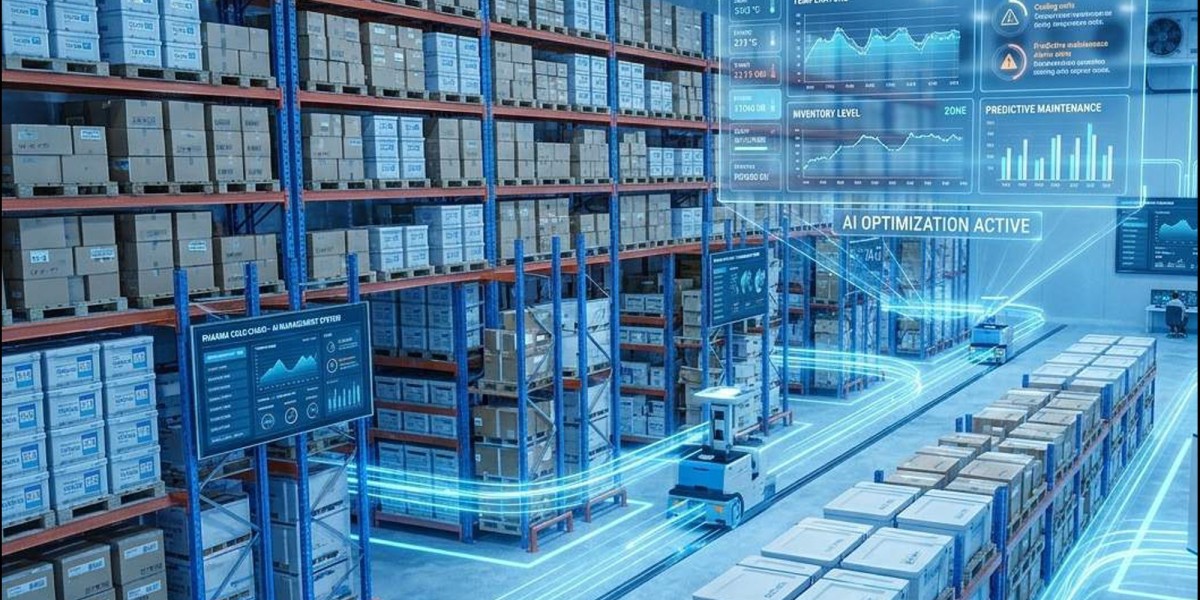

Cold chain storage solution never stays still. Walk into a modern temperature-controlled facility today and it already feels very different from what existed ten years back. Sensors everywhere. Quiet alarms. Fewer people, more screens. And still, the pressure keeps rising. Volumes are higher. Compliance checks are tighter. Mistakes travel fast.
That tension is shaping what comes next.
One thing stands out early. Cold storage is no longer only about keeping things cold. It’s about proving, at every step, that conditions stayed exactly where they were supposed to be. Documentation now matters almost as much as refrigeration itself.
Smarter monitoring becomes the baseline
Manual temperature logs are fading out. Not slowly. Fast.
Wireless sensors now track temperature, humidity, door movement, and power stability in real time. These devices don’t wait for a person to notice a problem. They push alerts instantly. Phone. Dashboard. Sometimes both.
A 2024 industry survey by the Global Cold Chain Alliance reported that facilities using continuous digital monitoring reduced temperature deviation incidents by over 40 percent compared to manual logging setups. That number sticks. Not because it sounds impressive, but because deviations are expensive in every sense except money.
And the tech keeps shrinking. Sensors are smaller, batteries last longer, and calibration cycles stretch further apart. Less disruption. Fewer blind spots.
Automation moves deeper into storage operations
Forklifts driven by people still exist. For now.
Automated storage and retrieval systems are spreading inside cold environments, where human exposure needs limits. Machines don’t feel the cold. They don’t rush to get out. They move with the same speed at midnight as at noon.
These systems stack higher, retrieve faster, and waste less space. Vertical utilization becomes a quiet advantage. Especially where land availability stays tight.
Automation also reduces handling errors. Every pallet movement gets logged. Every position gets tracked. There’s no guessing later about where something sat or for how long.
That traceability matters more than many realize.
Energy strategy shifts from reaction to design
Cold storage has always demanded power. That part hasn’t changed. What has changed is how facilities think about energy before a single wall goes up.
New builds focus on insulation materials that reduce thermal leakage. Door design receives more attention than ever. Fast-closing mechanisms. Air curtains that actually work, not just look impressive.
On-site energy generation is another shift. Solar panels on massive warehouse roofs are no longer rare. Battery storage pairs with them, smoothing out load spikes during peak cooling cycles.
The International Energy Agency noted in a recent report that energy-efficient cold storage designs cut power draw per cubic meter by nearly 25 percent compared to facilities built before 2015. That gap keeps widening.
Data starts driving daily decisions
Cold chain data used to be archived. Now it gets used.
Historical temperature patterns help managers adjust defrost cycles. Load data influences zoning decisions inside the warehouse. Even door-open durations get analyzed, then corrected.
Some operators feed this data into predictive models. Equipment failures don’t arrive as surprises anymore. Compressors signal distress days before breakdown. Maintenance teams act earlier. Downtime shrinks.
It’s not flashy. It’s practical. And it works.
Modular storage gains ground
Big, fixed facilities still dominate. But modular cold storage units are finding their place.
These systems scale up or down without heavy construction. Need extra capacity for six months? Add units. Demand shifts? Relocate them.
This approach fits industries facing seasonal swings or uncertain volume forecasts. It also lowers the risk of overbuilding. Flexibility becomes a strategic advantage, not a compromise.
The technology inside these modules matches traditional warehouses. Same monitoring. Same controls. Just packed tighter.
Regulatory pressure shapes infrastructure
Compliance rules grow stricter each year. Temperature ranges tighten. Audit trails get longer. One missing record can trigger serious consequences.
Future-ready facilities design compliance into the structure. Dedicated quarantine zones. Separate airflow paths. Backup power systems tested weekly, not quarterly.
Digital records replace paper almost entirely. Time-stamped. Tamper-resistant. Easy to retrieve during inspections.
A compliance officer once said in a conference, “If you’re explaining gaps, you’ve already lost.” That line circulates often, and for reason.
Location strategy changes quietly
Cold storage used to cluster around production centers. That pattern is shifting.
Facilities now appear closer to consumption hubs and transport corridors. Shorter last-mile distances reduce transit risk. Faster turnaround improves reliability.
Urban cold storage, once considered impractical, gains attention through multi-story designs and underground builds. Space constraints force creativity.
This isn’t about expansion for its own sake. It’s about positioning inventory where it needs to be, before demand spikes.
Workforce roles evolve, not disappear
Automation doesn’t erase people. It changes what they do.
Staff now manage systems rather than manually moving inventory all day. Skills tilt toward equipment oversight, data interpretation, and maintenance coordination.
Training becomes continuous. New software rolls out. Interfaces update. People adapt.
Retention improves in some facilities because working conditions improve. Less physical strain. More predictable shifts. Cold exposure drops significantly.
That matters. Quietly, but deeply.
Interoperability becomes a priority
Cold storage no longer stands alone. It connects to transport management systems, inventory platforms, and client dashboards.
APIs move data between systems without manual entry. Errors fall. Visibility improves.
Clients expect access. Not weekly reports. Live views. Temperature graphs. Movement logs.
Facilities that resist this integration lose relevance faster than expected.
What stays constant
Despite all this change, one thing holds steady. Cold chain storage remains unforgiving. There’s little margin for error. A few degrees off, for a few hours, and the damage is done.
Technology helps. Design helps. Data helps. But discipline still sits at the center.
The future doesn’t belong to the loudest innovations. It belongs to the setups that work every single day, quietly, under pressure, without excuses.