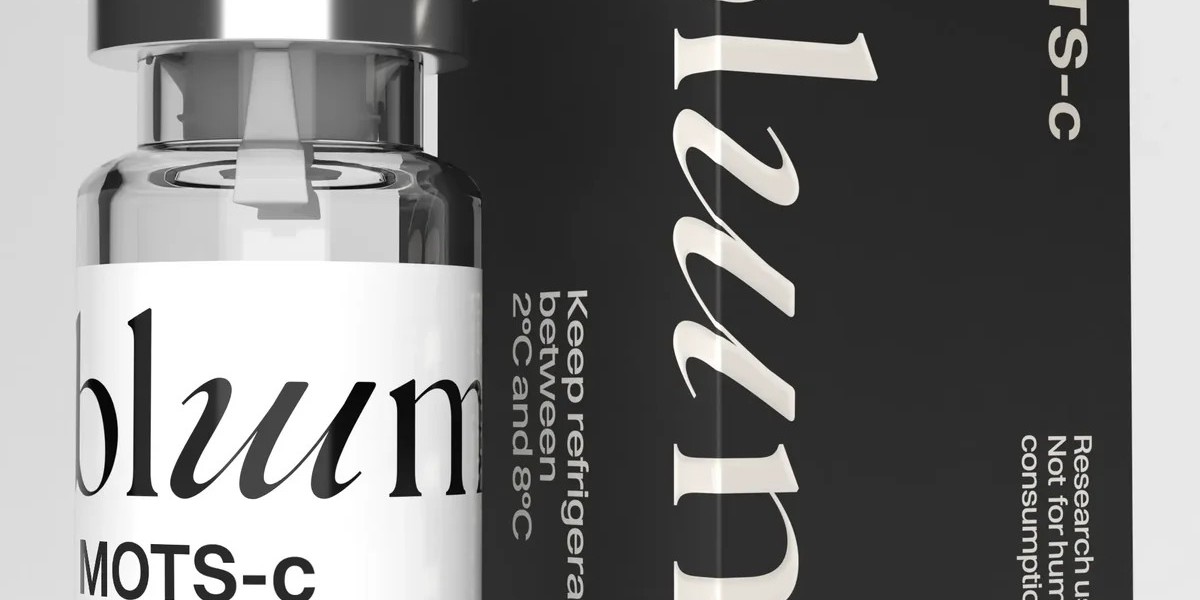

The integration of mitochondrial biology into contemporary biochemical research has opened up major pathways for investigating cellular longevity, metabolic regulation, and energy expenditure. Among the family of mitochondrially encoded signaling molecules, the 16-amino-acid chain known as MOTS-c (mitochondrial open reading frame of the 12S rRNA-c) has emerged as a primary subject of interest. Preclinical in vitro and in vivo models suggest this peptide regulates metabolic homeostasis by activating the AMPK pathway, translocating directly to the cell nucleus during times of metabolic stress to guide nuclear gene expression.
However, because it features a complex, highly specialized structure derived directly from mitochondrial RNA, synthesizing this compound requires exceptional chemical precision. For academic institutions, biotech firms, and contract research organizations, finding out where to buy mots-c peptide is only the first step. The true operational hurdle lies in validating that the material acquired is of authentic, research-grade quality.
The Microscopic Risks of Low-Grade Synthesis
Sourcing research chemicals from unverified online suppliers presents an array of hidden dangers that are invisible to the unassisted eye. In a standard laboratory setting, a vial of sub-standard, low-purity chemical looks exactly like a pristine, premium compound—both arrive as a white, freeze-dried powder. However, the true difference is revealed through high-resolution analytical testing. Sub-standard synthesis processes frequently leave behind harmful contaminants, such as residual manufacturing solvents, heavy metal catalysts, and truncated amino acid sequences that failed to completely assemble during the coupling stages.
These impurities introduce unknown variables to your study. For example, if a batch contains incomplete peptide fragments, these truncated chains may block target receptor sites without activating them, leading to false negatives. Furthermore, a high endotoxin load or lingering heavy metals can cause localized toxicity or severe inflammation in live tissue models. This skewing of cellular lifespans makes it impossible for researchers to determine whether an observed reaction stems from the peptide itself or from a manufacturing flaw.
The Analytical Shield: HPLC and Mass Spectrometry
To bypass these operational risks, procurement protocols must rely on objective data rather than supplier marketing taglines. The cornerstone of verifiable quality control is independent, batch-specific analysis. When assessing candidate suppliers, a laboratory must demand a comprehensive Certificate of Analysis (CoA) generated by an independent third-party laboratory, such as Janoshik Analytical, BioRegen, or Freedom Diagnostics. These specialized testing institutions have no financial stake in the distribution of the compound, ensuring completely unbiased results.
A valid CoA must feature a High-Performance Liquid Chromatography (HPLC) graph combined with a Mass Spectrometry (MS) report. The HPLC assay establishes the absolute purity level of the batch by separating its chemical components based on their molecular properties, displaying them as visual peaks. Researchers must look for a clean, single peak indicating an absolute purity rating of 98% or higher. Following this, the Mass Spectrometry graph measures the precise molecular weight of the compound. For human-derived MOTS-c, the mass spectrometer readout must line up perfectly with its theoretical target mass of 2516.02 grams per mole, confirming that the amino acid sequence is structurally accurate and completely unfragmented.
Safeguarding Multi-Peptide Matrices and Advanced Blends
The demand for rigorous analytical verification becomes even more acute when laboratories shift their focus from single mitochondrial sequences to multifaceted signaling networks. Modern studies exploring metabolic synergy frequently pair mitochondrial-derived compounds with advanced composite formulations, such as the specialized klow peptide matrix or custom-engineered klow blend peptides. Because these cutting-edge composites rely on precise biochemical ratios to spark simultaneous cellular pathways, their validation requires an even deeper level of analytical scrutiny.
When analyzing a composite matrix like the klow peptide blend, a standard single-peak purity report is insufficient. The third-party testing facility must implement advanced reversed-phase HPLC protocols to independently isolate and verify each unique amino acid sequence within the solution. This process ensures that the individual chains within the klow blend peptides are balanced in the exact molecular ratios dictated by your experimental design. A variation of even a fraction of a milligram can disrupt the expected multi-pathway activation, emphasizing why rigorous third-party verification is essential for modern, high-stakes molecular modeling.
Logistical Efficacy and Thermal Stability Protocols
Beyond immediate chemical purity at the point of manufacture, researchers must evaluate how a distributor manages its physical storage and shipping logistics. Peptides are naturally delicate, vulnerable to structural cleavage when exposed to elevated temperatures, solar radiation, or erratic physical agitation. Consequently, the procurement checklist must verify that a supplier utilizes advanced lyophilization technology. This freeze-drying technique transitions the liquid peptide matrix into a highly stable, solid crystalline cake inside the glass vial, drastically increasing its resistance to thermal degradation during transport.
To maximize batch stability, procurement frameworks should prioritize domestic supply chains over international channels. Ordering research materials from overseas vendors regularly introduces lengthy customs delays, unpredictable warehouse temperature shifts, and a complete lack of tracking accountability. Utilizing a domestic supplier operating out of a certified US facility eliminates these variables, ensuring rapid shipping speeds that deliver the material to your laboratory door under optimal conditions. Once received, unopened vials should immediately be placed into a dedicated sub-zero freezer (ideally at or below -20 degrees Celsius) to preserve their structural baseline until the exact moment of experimental reconstitution.
Preserving the Foundation of Reproducible Science
The integrity of global biochemical discovery relies entirely on the quality of the baseline inputs used across individual research institutions. When procurement teams look past quality verification in favor of lower gray-market prices, they inadvertently risk contributing to the replication crisis that hinders scientific advancement. Sourcing exclusively from trusted, third-party verified suppliers acts as an essential insurance policy for your laboratory's reputation, budget, and long-term discoveries.
By establishing third-party validation as a non-negotiable step for every single purchase, your laboratory sets up a solid, transparent foundation for credible work. Whether your immediate project targets mitochondrial signaling or multi-pathway metabolic networks using advanced composite compounds, the road to breakthrough insights always requires pure inputs. Removing chemical uncertainty allows your investigative team to focus completely on the science, secure in the knowledge that every observed cellular change is a true, repeatable milestone in molecular exploration.