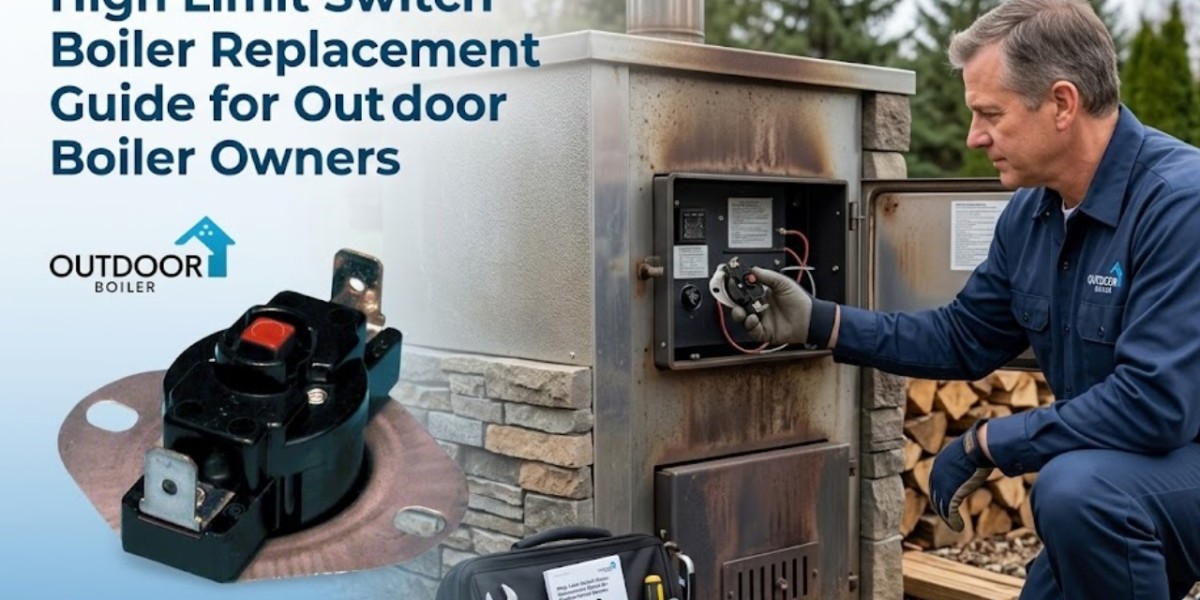

A high-limit switch boiler replacement may be necessary when your outdoor boiler overheats, trips frequently, or fails to operate safely. Understanding how this component works and when to replace it can help protect your heating system from costly damage.
Outdoor boilers are built to provide reliable heat for homes, shops, and other buildings, especially during colder months. One small but critical component that often gets overlooked is the high limit switch. While it may not receive much attention during routine maintenance, it plays a major role in keeping your boiler operating safely.
In this guide, I will explain what a high-limit switch does, how to identify signs of failure, and what outdoor boiler owners should know before replacing one.
What is a High-Limit Switch in an Outdoor Boiler?
A high limit switch is a safety device designed to monitor water temperature inside the boiler. When temperatures rise above a preset limit, the switch interrupts power to prevent overheating.
This safety feature helps reduce the risk of damage to internal components, excessive pressure buildup, and potential system failures. According to the U.S. Department of Energy, proper maintenance and safety controls are essential for efficient and safe heating system operation.
Without a functioning high-limit switch, an outdoor boiler may continue operating even when temperatures become unsafe.
Why Is a High Limit Switch Important?
Many outdoor boiler owners focus on pumps, heat exchangers, and firebox maintenance. However, the high limit switch serves as an important line of defense.
Benefits include:
Preventing dangerous overheating conditions
Protecting pumps and plumbing components
Reducing the risk of system damage
Helping maintain safe operating temperatures
Supporting overall boiler longevity
A properly functioning switch can help identify underlying problems before they become major repairs.
How Do You Know If a High Limit Switch Needs Replacement?
Like any electrical component, high limit switches can wear out over time. Certain warning signs may indicate that replacement is necessary.
Frequent Boiler Shutdowns
If your boiler repeatedly shuts down even when operating temperatures appear normal, the switch may be malfunctioning.
Failure to Shut Off During Overheating
A switch that no longer responds to excessive temperatures can create a serious safety concern.
Visible Damage or Corrosion
Moisture, age, and environmental conditions can lead to corrosion, damaged wiring, or deteriorated connections.
Inconsistent Temperature Readings
Erratic operation or inaccurate temperature control may point to a faulty switch or sensor.
Can You Test a High Limit Switch Before Replacing It?
Yes. Before purchasing a replacement, it is often worth confirming whether the switch is actually the source of the problem.
Basic testing may include:
Inspecting wiring connections
Checking for visible damage
Measuring continuity with a multimeter
Verifying actual water temperatures against switch settings
Always follow the manufacturer's instructions and disconnect power before performing any electrical testing.
If you are uncertain about the process, consulting a qualified technician is often the safest approach.
What Should You Consider When Choosing a Replacement High Limit Switch?
Not all switches are identical. Selecting the wrong replacement can lead to improper operation or safety concerns.
Important factors include:
Temperature Rating
The replacement switch should match the original temperature specification recommended by the manufacturer.
Manual Reset or Automatic Reset
Some systems use manual reset switches, while others rely on automatic reset designs. Always use the type specified for your boiler model.
Electrical Compatibility
Voltage and amperage ratings should match the system requirements.
Quality and Reliability
Using a dependable replacement component helps ensure long-term safety and performance.
How Often Should High Limit Switches Be Inspected?
Although there is no universal replacement schedule, annual inspections are a good practice.
During routine boiler maintenance, inspect:
Wiring and electrical connections
Temperature controls
Safety switches
Circulation pumps
Water levels and treatment conditions
Regular inspections can help catch potential issues before they cause unexpected downtime.
Can Other Boiler Problems Cause High Limit Switch Trips?
Absolutely. A tripped switch does not always mean the switch itself has failed.
Common causes include:
Poor Water Circulation
Blocked lines, failing pumps, or air pockets can prevent proper heat transfer.
Dirty Heat Exchangers
Restricted heat exchange can lead to elevated temperatures.
Faulty Temperature Sensors
Incorrect temperature readings may trigger unnecessary shutdowns.
Excessive Fuel Loading
Overfiring the boiler can create temperatures that exceed safe operating limits.
Addressing the root cause is just as important as replacing the switch itself.
Conclusion
A high limit switch may be a small component, but it plays a major role in protecting your outdoor boiler from overheating and unnecessary damage. Understanding how it works, recognizing warning signs of failure, and performing regular inspections can help keep your heating system operating safely and efficiently for years to come.
If you have questions about outdoor boiler components, maintenance, or replacement parts, contact us today. Our team can help you find the information and solutions you need to keep your system running at its best.