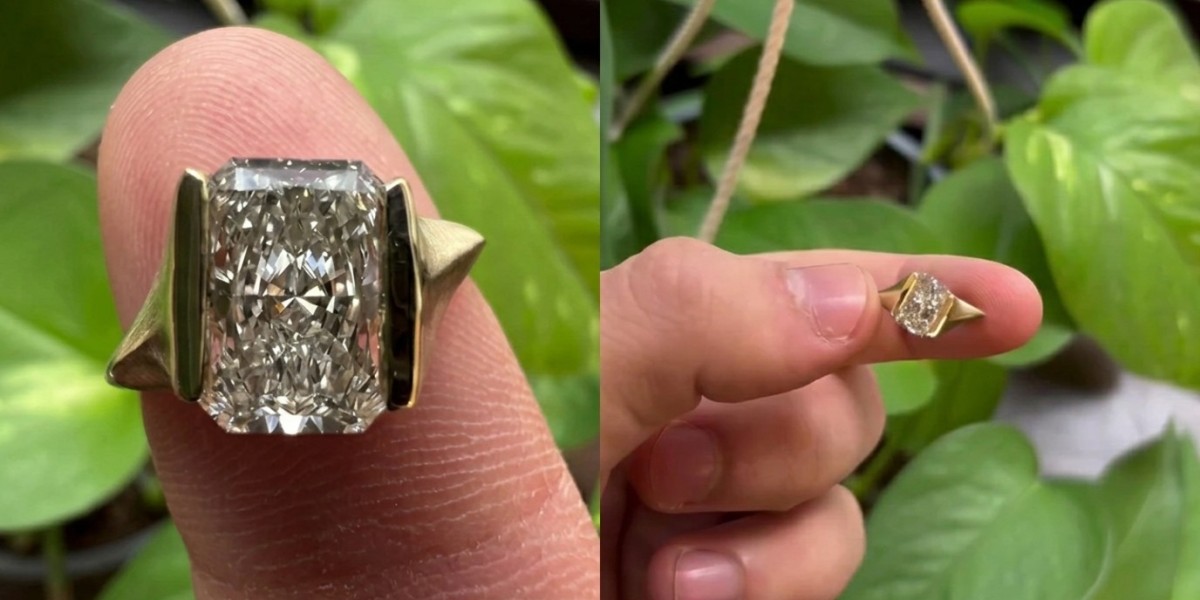

Choosing a diamond is one of the biggest decisions when purchasing fine jewelry. Among the many diamond shapes available today, the radiant cut has become a favorite for people who want a balance of brilliance and durability. Its unique combination of trimmed corners and brilliant-cut facets creates a distinctive appearance that suits many jewelry styles.
If you're considering radiant cut lab grown diamond rings, understanding the characteristics of this diamond shape can help you make a confident purchase. This guide explains everything you need to know, from its history and design to quality factors, pricing, and care.
Whether you're buying your first diamond or upgrading your collection, this guide will help you understand why the radiant cut continues to attract buyers around the world.
What Is a Radiant Cut Diamond?
The radiant cut is a square or rectangular diamond featuring cropped corners and a brilliant facet arrangement. Unlike step-cut diamonds, which emphasize clean lines, the radiant cut uses numerous facets that reflect light from different angles.
The design combines characteristics of both the emerald cut and the round brilliant cut, offering a bright appearance while maintaining a geometric outline.
Because of its corner design, the radiant cut is also more resistant to chipping than pointed diamond shapes, making it a practical option for everyday wear.
The History Behind the Radiant Cut
The radiant cut was introduced during the late 1970s by diamond cutter Henry Grossbard. His goal was to combine the shape of an emerald cut with the brilliance of a round diamond.
This innovative approach quickly gained popularity because it delivered strong light performance while offering a different look from traditional round diamonds.
Today, the radiant cut remains one of the most requested fancy diamond shapes in both natural and lab-grown diamonds.
Why Buyers Choose Radiant Cut Diamonds
There are several reasons why buyers are drawn to radiant cut diamonds.
Bright Appearance
The radiant cut contains numerous brilliant facets that create impressive light reflection, making the diamond appear lively under different lighting conditions.
Durable Shape
The trimmed corners reduce the risk of damage compared to sharp-cornered diamond shapes, making it suitable for daily use.
Larger Face-Up Appearance
Many radiant cut diamonds appear slightly larger than diamonds of similar carat weight because of their shape and dimensions.
Flexible Style
The radiant cut works beautifully with both classic and contemporary jewelry designs and pairs well with many metal types.
Understanding Lab-Grown Radiant Diamonds
Lab-grown diamonds have the same physical, chemical, and optical properties as mined diamonds. They are created using advanced technology that reproduces the natural diamond-growing process under controlled conditions.
Because they are real diamonds, lab-grown options receive the same grading standards used for mined diamonds.
Many buyers choose lab-grown diamonds because they can often purchase a larger or higher-quality stone within the same budget.
Choosing the Right Shape
Radiant cut diamonds are generally available in two popular shapes.
Square Radiant
A square radiant offers balanced proportions and creates a symmetrical appearance that appeals to many buyers.
Rectangular Radiant
A rectangular radiant has a longer profile, which can make the finger appear longer when used in jewelry.
Your preference will depend on your personal style and the overall look you want to achieve.
Understanding Diamond Quality
Selecting a quality radiant cut diamond involves evaluating the well-known Four Cs.
Cut
Cut quality greatly influences how much light the diamond reflects. A well-cut radiant diamond will display balanced brightness across the stone.
Since there is no universal cut grade for fancy shapes, carefully reviewing the diamond's proportions is important.
Color
Radiant cuts tend to show slightly more color than round diamonds because of their shape.
Many buyers choose color grades between D and H depending on personal preference and budget.
Clarity
The brilliant facets help conceal many small inclusions, allowing buyers to consider slightly lower clarity grades without noticeable visual differences.
VS1, VS2, and SI1 grades often provide excellent value.
Carat Weight
Radiant cut diamonds are available in a wide range of sizes.
Because of their proportions, they often appear larger than some other diamond shapes with the same carat weight.
Finding the Best Length-to-Width Ratio
The length-to-width ratio determines whether a radiant diamond appears square or rectangular.
General guidelines include:
- Square: 1.00–1.05
- Slight Rectangle: 1.10–1.25
- Long Rectangle: 1.30–1.50
Choosing the right ratio depends entirely on personal preference.
Understanding the Bow Tie Effect
Some elongated diamond shapes develop a dark shadow across the center called the bow tie effect.
A well-cut radiant diamond generally minimizes this appearance through proper facet placement.
Reviewing high-quality images or videos before purchasing can help evaluate light performance.
Comparing Radiant Cut to Other Diamond Shapes
Radiant vs Round
Round diamonds are known for maximum brilliance, while radiant cuts provide a geometric appearance with impressive light reflection.
Radiant vs Cushion
Cushion cuts have softer rounded corners and a pillow-like outline.
Radiant cuts offer straighter edges with a more structured appearance.
Radiant vs Emerald
Emerald cuts highlight clarity through long step facets.
Radiant cuts use brilliant facets that create much stronger light reflection.
Why Radiant Cut Diamonds Work Well for Everyday Wear
Many buyers wear their jewelry every day, making durability an important factor.
The cropped corners of the radiant cut help protect vulnerable edges from accidental impact.
Combined with proper craftsmanship and routine maintenance, radiant cut diamonds remain an excellent choice for long-term wear.
Popular Metal Choices
The appearance of a radiant cut diamond changes depending on the metal used.
White Gold
Enhances the diamond's bright appearance while creating a clean finish.
Yellow Gold
Provides warm contrast that highlights the diamond.
Rose Gold
Offers a soft color that complements many skin tones.
Platinum
Known for durability and naturally white color, platinum remains a popular premium option.
Budget Considerations
One advantage of choosing lab-grown diamonds is value.
Many buyers can purchase a larger carat size or better clarity while staying within the same budget compared to mined diamonds.
When planning your purchase, consider balancing all Four Cs rather than focusing on a single characteristic.
How to Care for Radiant Cut Diamonds
Proper care helps maintain your diamond's appearance for years.
Helpful maintenance tips include:
- Clean regularly using warm water and mild soap.
- Use a soft brush to remove dirt around the diamond.
- Store jewelry separately to avoid scratches.
- Remove jewelry before heavy physical activities.
- Schedule professional inspections periodically.
Simple maintenance keeps your diamond looking its best.
Common Buying Mistakes to Avoid
Many first-time buyers focus only on carat weight.
Instead, consider the complete combination of cut, clarity, color, and proportions.
Other mistakes include:
- Ignoring certification
- Choosing poor proportions
- Buying without reviewing actual images
- Overlooking craftsmanship
- Not comparing multiple options
Taking time to compare diamonds often leads to a better purchase.
Why Certification Matters
A grading certificate provides an independent assessment of the diamond's quality.
It includes information about:
- Carat weight
- Color grade
- Clarity grade
- Measurements
- Polish
- Symmetry
- Fluorescence
Buying certified diamonds provides greater confidence in your purchase.
Shopping Tips Before You Buy
Before making your final decision, keep these recommendations in mind:
- Compare multiple diamonds.
- Review actual photos or videos.
- Check the proportions.
- Verify certification.
- Balance quality with your budget.
- Buy from a trusted retailer.
These steps help simplify the buying process and reduce uncertainty.
Choosing a Trusted Jeweler
Finding a reliable jeweler is just as important as choosing the diamond itself.
A reputable seller should provide transparent grading information, clear return policies, detailed product images, and knowledgeable customer support.
At AntiqueCut, buyers can explore carefully selected diamond collections while receiving detailed information that helps simplify the purchasing process.
Final Thoughts
Radiant cut diamonds continue to attract buyers because they combine a structured shape with impressive brilliance and everyday durability. Their trimmed corners, brilliant facets, and versatile appearance make them suitable for a wide range of jewelry styles and personal preferences.
For anyone considering radiant cut lab grown diamond rings, understanding diamond quality, proportions, certification, and overall value will help you make a confident decision. Taking the time to compare options and purchase from a trusted retailer ensures you'll find a diamond that matches both your style and your budget. Whether you're shopping for yourself or someone special, a well-chosen radiant cut diamond is a purchase that can be appreciated for many years.