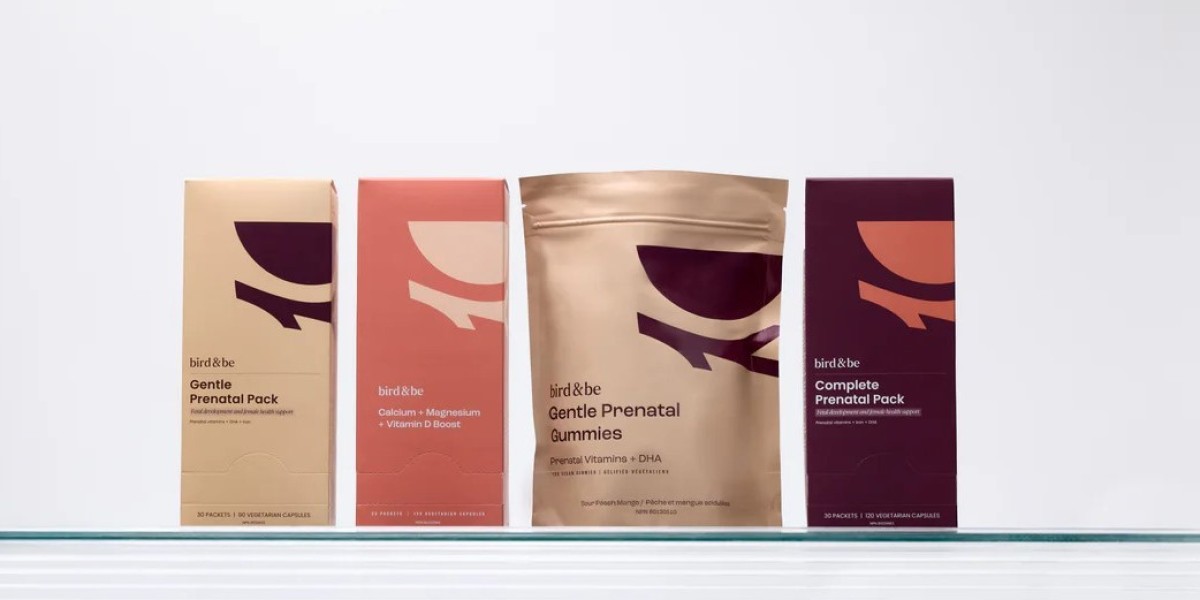

Pregnancy increases your body's need for important vitamins and minerals. While eating a healthy diet is essential, it can be difficult to get every nutrient from food alone. That is why many healthcare providers recommend prenatal vitamins during pregnancy.
Prenatal vitamins are specially made to support both the parent and the growing baby. They help provide nutrients that support healthy fetal development and overall maternal wellness throughout pregnancy.
If you are considering prenatal vitamins for pregnancy, understanding their benefits and ingredients can help you make informed choices. Taking them as directed, along with healthy lifestyle habits, can support your nutritional needs during pregnancy.
Why Prenatal Vitamins for Pregnancy Are Important
Prenatal vitamins are designed to provide nutrients that may be difficult to get from food alone during pregnancy. They help support normal fetal growth and maternal health while filling common nutritional gaps.
Many prenatal vitamins include:
- Folic acid to support healthy neural tube development
- Iron to support healthy red blood cell production
- Calcium for strong bones and teeth
- Vitamin D to support bone health
- Iodine for normal thyroid function
- DHA to support healthy brain and eye development
- Vitamin B12 for healthy nerve function
These nutrients work best alongside a balanced diet filled with fruits, vegetables, whole grains, and lean proteins.
Choosing the Right Prenatal Vitamins for Pregnancy
Not all prenatal vitamins contain the same nutrients or amounts. Reading the label carefully helps you choose a product that matches your healthcare provider's recommendations.
When comparing supplements, look for:
- Essential pregnancy nutrients
- Clearly listed ingredient amounts
- High-quality manufacturing standards
- Easy-to-take daily formulas
- Products recommended by healthcare professionals
Before selecting prenatal vitamins for pregnancy, discuss your individual nutritional needs with your healthcare provider to ensure you receive the right support.
Prenatal Vitamins for Pregnancy and Healthy Lifestyle Habits
Prenatal vitamins are only one part of a healthy pregnancy. Good daily habits also support your health and your baby's development.
Healthy pregnancy habits include:
- Eat a balanced and nutritious diet.
- Stay hydrated throughout the day.
- Get regular physical activity if approved by your healthcare provider.
- Attend all prenatal appointments.
- Get enough sleep every night.
- Avoid smoking, alcohol, and recreational drugs.
These healthy choices work together with pregnancy supplements to support overall maternal and fetal wellness.
Benefits of Prenatal Vitamins for Pregnancy
Prenatal vitamins help fill nutritional gaps during pregnancy and provide important nutrients needed for healthy development. They support maternal health while helping meet the increased nutritional demands that occur throughout pregnancy.
Although supplements are valuable, they should never replace healthy eating or regular prenatal care. A complete approach that includes proper nutrition, medical guidance, and healthy habits provides the best support during pregnancy.
Frequently Asked Questions
What are prenatal vitamins for pregnancy?
Prenatal vitamins are dietary supplements that provide important nutrients to support maternal health and healthy fetal development during pregnancy.
When should I start taking prenatal vitamins for pregnancy?
Many healthcare providers recommend starting prenatal vitamins before conception or as soon as pregnancy is confirmed.
What nutrients should prenatal vitamins contain?
Most prenatal vitamins include folic acid, iron, calcium, vitamin D, iodine, DHA, and vitamin B12.
Can I take prenatal vitamins without being pregnant?
Some people take them while trying to conceive, but it is best to follow guidance from a healthcare provider.
Do prenatal vitamins replace a healthy diet?
No. Prenatal vitamins are meant to supplement a balanced diet, not replace healthy eating.
Should I consult my doctor before taking prenatal vitamins?
Yes. A healthcare provider can recommend the best prenatal vitamin based on your nutritional needs and medical history.
Conclusion
Prenatal vitamins for pregnancy are an important part of supporting maternal health and healthy fetal development. When combined with a balanced diet, regular prenatal care, and healthy lifestyle habits, they help provide the essential nutrients needed throughout pregnancy. Choosing the right supplement with guidance from your healthcare provider can help support a healthy pregnancy journey.