
Food makers need ingredients that are safe and easy to use. Bulk organic quinoa fits cereals, snack bars, flour blends, meal kits, and plant-based foods. The right choice depends on more than price. Buyers should check grain type, processing, paperwork, pack size, and storage before ordering.
Why Bulk Organic Quinoa Is Useful for Manufacturers
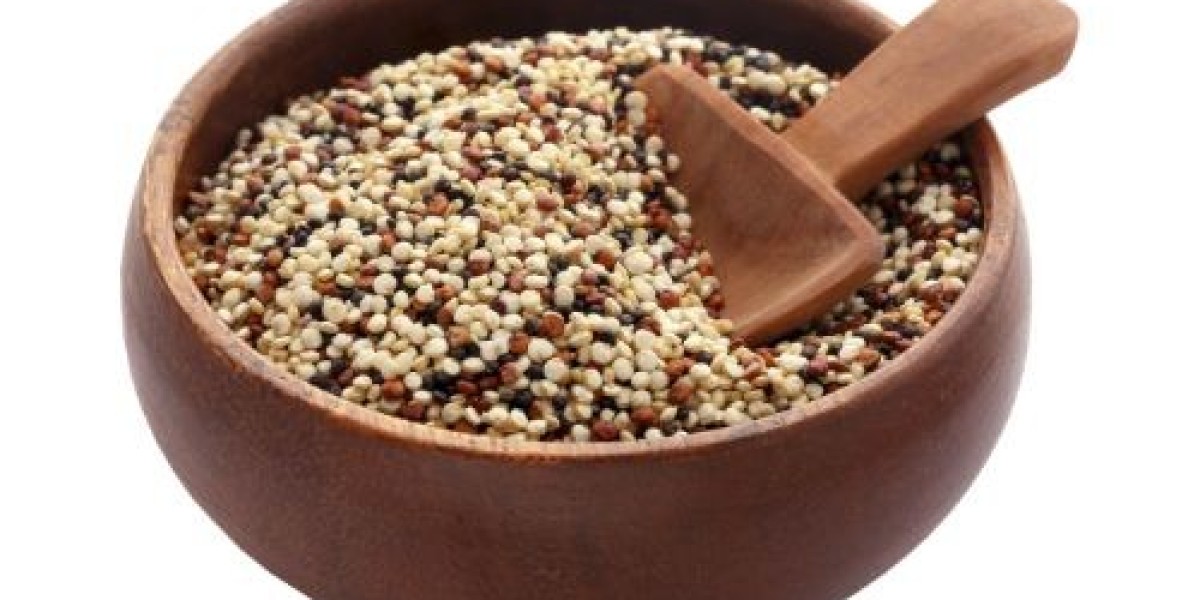
Quinoa is a seed, though people often use it like a whole grain. It is naturally gluten-free and provides protein, fiber, iron, magnesium, and zinc. White quinoa has a mild taste and soft texture. Red and black quinoa have a firmer bite and deeper color. A tri-color mix can add a premium look to salads, bowls, and packaged meals.
Commercial quinoa offers several practical benefits:
- It is available as whole grain, flour, flakes, puffs, or an IQF ingredient.
- Pre-scarified or pre-washed quinoa can reduce rinsing work during production.
- Large pack options can support test batches and full production runs.
- Its mild flavor works in both sweet and savory recipes.
- Organic documents can support clean-label and private-label product plans.
Global Resources Direct lists grains, flour, flakes, puffs, and IQF quinoa. Packaging includes cases, private retail packs, 25 kg bags, super sacks, and bulk totes. The supplier also states that its quinoa is pre-scarified, meaning the bitter outer saponin layer is removed during processing.
How to Choose Bulk Organic Quinoa
Start with the finished product. White quinoa often suits flour, cereal, protein blends, and recipes where a light color matters. Red, black, or tri-color quinoa may suit foods where visible grain color adds value.
Before buying bulk organic quinoa, request documents for the exact lot. Important records may include:
- Certificate of Analysis
- Organic certification
- Non-GMO statement
- Allergen statement
- Nutrition panel
- Country-of-origin details
- Kosher or gluten-free documents, when needed
Organic certification and gluten-free controls are not the same. Organic rules cover farming and handling. Gluten-free claims also depend on processing, cross-contact controls, and testing. The supplier states that USDA NOP and Non-GMO documents are available for its organic quinoa, while other quality records can be supplied by lot.
Pack size matters too. A small brand may need bags for a trial run. A large plant may need totes or truckload supply. Ask about minimum orders, lead times, shipping terms, lot tracking, and crop-to-crop changes.
Where Bulk Organic Quinoa Works Best
Bulk organic quinoa works across many food lines. Whole seeds can go into grain bowls, soups, frozen meals, granola, and ready-to-eat cereal. Puffed quinoa adds light crunch to bars and snacks. Quinoa flour can support crackers, pasta, baked foods, and gluten-free blends. It can also be paired with pea, rice, or hemp protein in plant-based powders.
Storage is simple but important. Keep the product sealed in a cool, dry, odor-free area away from heat and light. Use first-in, first-out stock rotation. Keep bags away from strong-smelling ingredients because dry grains can pick up odors. Check the lot-specific shelf life on the supplier’s specification sheet. The supplier notes a typical whole-seed shelf life of 12 to 24 months under proper sealed storage, though the exact term can vary by shipment.
Frequently Asked Questions
Is organic quinoa naturally gluten-free?
Yes. Quinoa is naturally gluten-free. Buyers making a gluten-free claim should still ask about processing controls, allergen records, and third-party testing.
Does bulk quinoa need to be rinsed?
It depends on processing. Pre-washed or pre-scarified quinoa is ready for use. Untreated quinoa may need rinsing to reduce its bitter saponin coating.
What quinoa color is best for food production?
White quinoa has the mildest flavor and lightest color. Red and black quinoa are firmer and more visible. Tri-color quinoa suits products where appearance matters.
How should bulk organic quinoa be stored?
Store it in sealed packaging in a cool, dry, clean place. Keep it away from sunlight, heat, moisture, pests, and strong odors.
What products can be made with quinoa?
Quinoa can be used in cereal, granola, bars, snacks, flour, pasta, crackers, meal bowls, soups, frozen foods, and plant-based blends.
What should buyers ask a wholesale quinoa supplier?
Ask for specifications, certifications, pack sizes, minimum orders, lead times, origin details, shipping options, shelf life, and lot-level quality documents.
Conclusion: Buying Bulk Organic Quinoa With Confidence
A strong sourcing plan starts with the end product. Choose the right color and form, confirm organic and quality records, match the pack size to production, and check storage rules. Bulk organic quinoa is most useful when the supplier provides steady specifications, clear records and packaging that fits the buyer’s operation. These checks help food brands protect quality, reduce delays, and make consistent products.