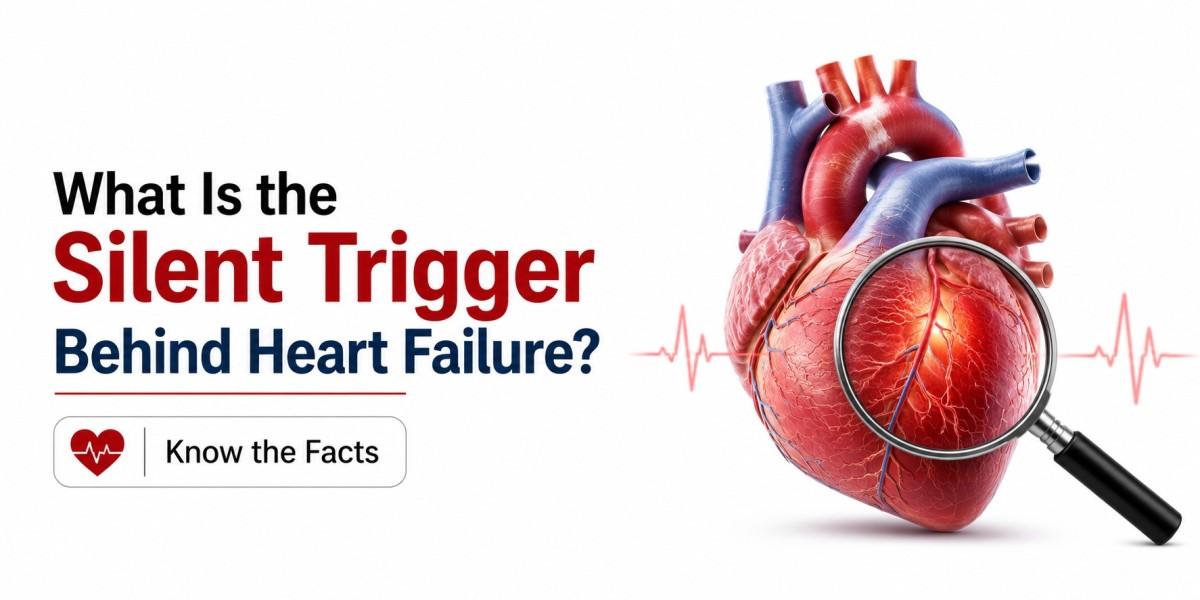

Heart failure is frequently a surprise diagnosis to people because not only is the diagnosis itself common, but also, the processes leading up to its development are often insidious. The heart easily compensates for years of injury or dysfunction before it finally becomes symptomatic enough to warrant attention.
When someone finally starts to notice breathlessness, ankle swelling, or extreme fatigue as symptoms of their heart failure, the underlying processes have typically existed for a long period of time leading up to the diagnosis.
Gaining an understanding of what causes heart failure and what can be done before and after receiving a diagnosis of heart failure will provide the patient and family with much more information than is present in the diagnosis itself.
Key Takeaways
|
What Heart Failure Actually Means
Heart failure doesn't mean the heart has "stopped". It just means it can't pump effectively enough to meet the body’s needs. Either the heart is weakened and cannot pump with enough force to meet the body’s demands on it, or it is rigid and cannot fill with blood.
Systolic and diastolic heart failure, which are commonly used terms for the two main mechanisms of heart failure, are often considered together and can reduce oxygen delivery to tissues and cause fluid buildup in the lungs, legs, and abdomen.
Globally, the prevalence of heart failure is around 64 million people. It can result in decreased quality of life and reduced long-term survival, especially if the underlying causes of the heart failure are not being treated.
The Silent Triggers That Build Over Years
The phrase silent trigger is apt for heart failure because the conditions that most commonly lead to it are themselves often asymptomatic for long periods. The most significant include:
Hypertension: Chronically elevated blood pressure forces the heart to work against increased resistance with every beat. Over time, this causes the left ventricle to thicken and eventually stiffen or weaken, a process called hypertensive heart disease.
Coronary artery disease: Gradual narrowing of the coronary arteries reduces blood supply to the heart muscle, causing microscopic injury that adds up to significant functional impairment before a major heart attack ever occurs.
Diabetes: Chronically elevated blood glucose levels damage blood vessels and directly impair heart muscle metabolism, contributing to both macrovascular and microvascular cardiac changes.
Alcohol misuse: Regular heavy drinking is a direct cause of dilated cardiomyopathy, a condition where the heart muscle stretches and weakens progressively.
Undetected arrhythmias: Long-standing rapid heart rhythms, particularly atrial fibrillation with fast ventricular rates, can themselves cause a reversible form of heart failure if left untreated.
Sleep apnoea: Repeated overnight oxygen drops and surges in sympathetic activity place sustained strain on the heart, a connection that remains underdiagnosed in clinical practice.
Common Symptoms That Signal the Heart Is Struggling
Symptoms of heart failure reflect the consequences of fluid accumulation and poor cardiac output:
Breathlessness during physical activity that worsens over time, eventually occurring at rest.
Orthopnoea, the need to sleep propped up on multiple pillows to breathe comfortably.
Sudden waking at night with breathlessness.
Swelling of the ankles, legs, or abdomen.
Persistent fatigue and reduced exercise tolerance.
Rapid or irregular heartbeat.
Reduced urine output despite adequate fluid intake.
How Heart Failure Is Diagnosed
A diagnosis of heart disease is made by combining both clinical and laboratory data. An echocardiogram is the most useful diagnostic tool because it measures the left ventricular ejection fraction and provides information on chamber size and valve function.
Blood tests can measure BNP levels, a useful marker of how much strain the heart is under. Chest x-ray, ECG, and, in some cases, cardiac MRI or coronary angiography will also be used to help complete the diagnostic process, depending on the suspected type of heart disease.
Treatment Options in Heart Failure
Modern heart failure treatment targets several overlapping mechanisms: reducing fluid overload, blocking harmful neurohormonal activation, and supporting cellular energy production.
Fluid management is central to relieving symptoms. Spironolactone is a potassium-sparing diuretic and aldosterone antagonist that reduces fluid retention while also blocking the harmful effects of aldosterone on cardiac remodelling. Clinical trials have shown that it reduces mortality in patients with systolic heart failure when added to standard therapy, making it one of the key medications in the heart failure treatment framework.
Aldactone 25 mg is a widely prescribed formulation of spironolactone used to manage heart failure and fluid overload. It is taken under medical supervision with regular monitoring of potassium and kidney function, as both can be affected during treatment.
Alongside conventional medication, cellular energy support has gained increasing attention in heart failure management. Coenzyme Q10 is a naturally occurring compound involved in mitochondrial energy production, and levels are often reduced in patients with heart failure.
CoQ 300mg Capsule is a high-dose coenzyme Q10 formulation used as an adjunct nutritional supplement in patients with cardiovascular conditions, taken under the guidance of a treating cardiologist as part of a broader management plan.
Lifestyle Measures and Heart Protection
Keeping the heart working well is not just about treating a condition once a problem arises, but also about preventing future heart issues.
Things you can do every day to help prevent heart failure from getting worse or developing could include:
1. Reducing salt in foods can help with excessive fluid retention and allow less work for the heart.
2. Keeping at a healthy weight can reduce the demands on How to Keep Heart Healthy has to do.
3. Patients with or who previously had cardiomyopathy should not drink alcohol at all or should limit alcohol to a minimum.
4. People can increase their ability to perform daily activities and have a better overall life by being physically active through supervised, low-impact aerobic exercise in cardiac rehabilitation.
5. Keep track of your body weight at home daily. Any significant increases over one- or two-day periods may be due to fluid retention and should be discussed with a doctor.
6. If prescribed medication, you must take it as directed. This will allow your medications to continue blocking the negative neurohormones that cause heart failure.
Emotional and Mental Health During Recovery
Patients who suffer from heart failure experience significant psychological distress due to the fear of exertion, anxiety regarding shortness of breath, and loss of independence affecting their daily roles; this has resulted in high rates of depression and anxiety among heart failure patients.
In addition, these emotional factors are related to lower rates of medication adherence and poorer clinical outcomes, making psychological support crucial to comprehensive heart failure care.
Importance of Follow-Up Care
The impact of heart failure may change over time, depending on patient activity levels and comorbidities. Continued follow-up enables the cardiologist to titrate medication dosages to achieve optimal effectiveness, evaluate renal function, electrolyte levels, and fluid status, and adjust management as necessary.
Programmes that provide structured, nurse-led heart failure support can considerably reduce the number of patients admitted to hospital with heart failure and improve their quality of life.
What Is Worth Remembering
Heart failure rarely arrives without warning. It builds on years of uncontrolled blood pressure, untreated metabolic disease, or habits that slowly compromise cardiac function. The damage, when caught early, can be slowed significantly with the right combination of medical treatment and lifestyle change.
The heart has remarkable adaptive capacity, and with consistent management, many patients achieve stable, functioning lives for years after their diagnosis. The most powerful thing someone can do is take the silent warning signs seriously before the heart announces its distress loudly.
Disclaimer: This article is for general informational purposes only and should not be considered medical advice. Always consult a qualified cardiologist or healthcare professional for diagnosis, treatment, and guidance specific to your condition.






