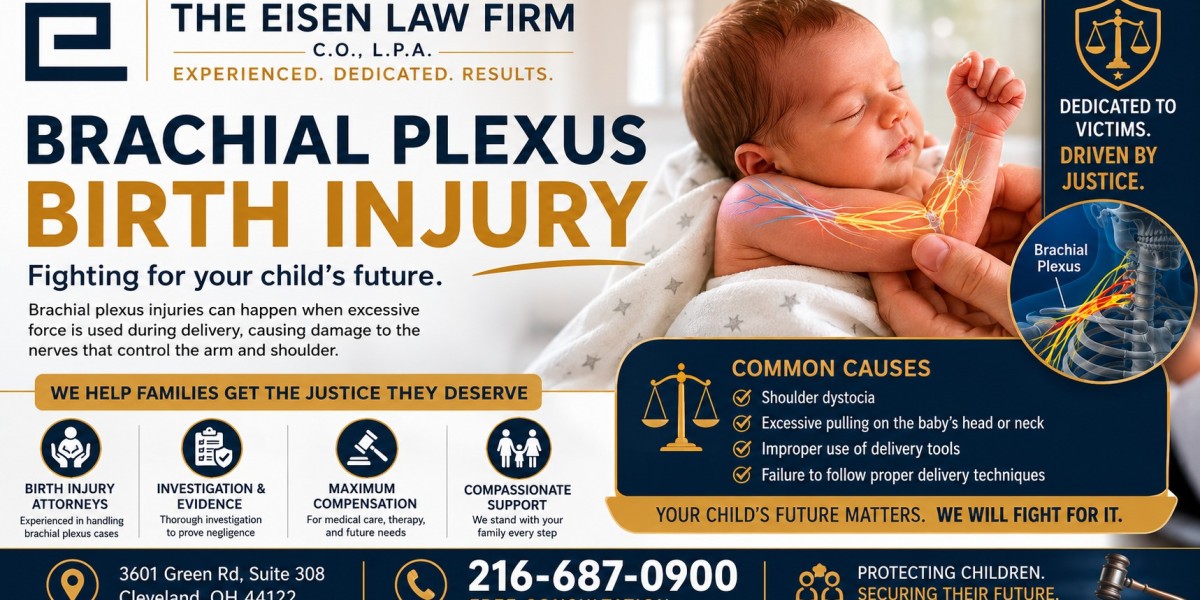

A brachial plexus birth injury is a serious condition that can occur during childbirth when the network of nerves controlling the shoulder, arm, and hand is stretched, compressed, or torn. These injuries can affect a baby's movement, strength, and sensation in the affected arm. While some children recover with proper treatment, others may experience permanent disability that requires ongoing medical care and rehabilitation.
Understanding the causes, symptoms, treatment options, and legal rights associated with brachial plexus birth injuries can help parents make informed decisions about their child's future.
What Is the Brachial Plexus?
The brachial plexus is a network of nerves that extends from the spinal cord through the neck and into the shoulder, arm, and hand. These nerves control muscle movement and provide sensation throughout the upper limb.
When these nerves are injured during delivery, a baby may experience weakness or loss of movement in one or both arms.
What Causes a Brachial Plexus Birth Injury?
A brachial plexus injury typically occurs when excessive force is applied to a baby's head, neck, or shoulders during delivery. Certain labor and delivery complications can increase the risk of this type of injury.
Common causes include:
Shoulder dystocia during childbirth
Difficult or prolonged labor
Breech delivery
Excessive pulling on the baby's head or neck
Improper use of forceps or vacuum extraction
Large birth weight (macrosomia)
Maternal diabetes
Emergency delivery complications
Not every brachial plexus injury results from medical negligence, but improper delivery techniques may increase the risk of preventable injuries.
Types of Brachial Plexus Injuries
The severity of the injury depends on the extent of nerve damage.
Neuropraxia
This is the mildest form of injury, where the nerve is stretched but not torn. Many infants recover fully within a few months.
Neuroma
Scar tissue forms around the injured nerve, which may interfere with normal nerve function.
Rupture
The nerve is torn but not detached from the spinal cord. Surgical treatment may be necessary.
Avulsion
This is the most severe type of injury, where the nerve is completely torn away from the spinal cord. Recovery is often limited, and multiple surgeries may be required.
Signs and Symptoms
Symptoms can vary depending on the severity of the injury.
Common signs include:
Weakness in one arm
Limited arm or shoulder movement
Arm held close to the body
Decreased grip strength
Loss of sensation
Absent Moro (startle) reflex on one side
Muscle stiffness over time
Delayed motor development
Parents should seek medical evaluation if these symptoms are present after birth.
Diagnosis
Doctors diagnose brachial plexus injuries through a physical examination and may recommend additional testing, including:
Neurological evaluation
X-rays
MRI scans
Ultrasound imaging
Electromyography (EMG)
Nerve conduction studies
Early diagnosis helps determine the most appropriate treatment plan.
Treatment Options
Treatment depends on the severity of the injury and the child's progress.
Physical Therapy
Gentle exercises help improve strength, flexibility, and range of motion while preventing joint stiffness.
Occupational Therapy
Therapists help children develop motor skills needed for everyday activities.
Nerve Surgery
If significant recovery does not occur within the first few months, surgeons may recommend nerve grafts or nerve transfers.
Tendon or Muscle Transfer Surgery
Older children with persistent weakness may benefit from procedures that improve arm function.
Ongoing Rehabilitation
Many children require long-term therapy to maximize function and independence.
Possible Long-Term Complications
Some children recover completely, while others may experience lifelong challenges.
Potential complications include:
Permanent arm weakness
Limited range of motion
Muscle imbalance
Joint deformities
Chronic pain
Growth differences between arms
Reduced hand function
Difficulty performing daily activities
Early treatment often improves long-term outcomes.
Can a Brachial Plexus Birth Injury Be Prevented?
While not every birth injury can be avoided, careful prenatal care and proper delivery techniques can reduce the risk.
Healthcare providers can help minimize complications by:
Identifying high-risk pregnancies
Monitoring fetal size
Recognizing signs of shoulder dystocia
Using appropriate delivery techniques
Performing a cesarean delivery when medically necessary
Avoiding excessive force during childbirth
Proper medical decision-making plays an important role in reducing preventable birth injuries.
When Medical Negligence May Be Involved
A brachial plexus birth injury may be associated with medical negligence if healthcare providers fail to meet the accepted standard of care during pregnancy or delivery.
Examples may include:
Failing to recognize delivery complications
Delaying a necessary cesarean section
Using excessive force during delivery
Improper use of delivery instruments
Inadequate monitoring of mother or baby
Failure to respond appropriately to shoulder dystocia
An experienced attorney can review medical records and consult medical experts to determine whether negligence contributed to the injury.
Compensation in Birth Injury Cases
If medical negligence caused the injury, families may be able to recover compensation for:
Medical expenses
Future medical treatment
Physical and occupational therapy
Rehabilitation costs
Assistive devices
Lost future earning capacity
Pain and suffering
Home modifications
Long-term care needs
Compensation can help families provide the medical care and support their child may need throughout life.
What Parents Should Do
If you believe your child suffered a brachial plexus birth injury:
Seek evaluation from a pediatric specialist.
Follow all recommended treatment plans.
Keep copies of medical records.
Document your child's progress and medical appointments.
Maintain records of medical expenses.
Consult an experienced birth injury attorney if you suspect medical negligence.
Taking these steps can help protect your child's health and preserve important evidence.
Conclusion
A brachial plexus birth injury can affect a child's mobility, strength, and quality of life, but early diagnosis and appropriate treatment can improve outcomes. While many children recover with therapy, some require surgery and long-term rehabilitation. If you believe medical negligence contributed to your child's injury, understanding your legal rights can help you pursue the resources needed to support your child's care and future well-being.