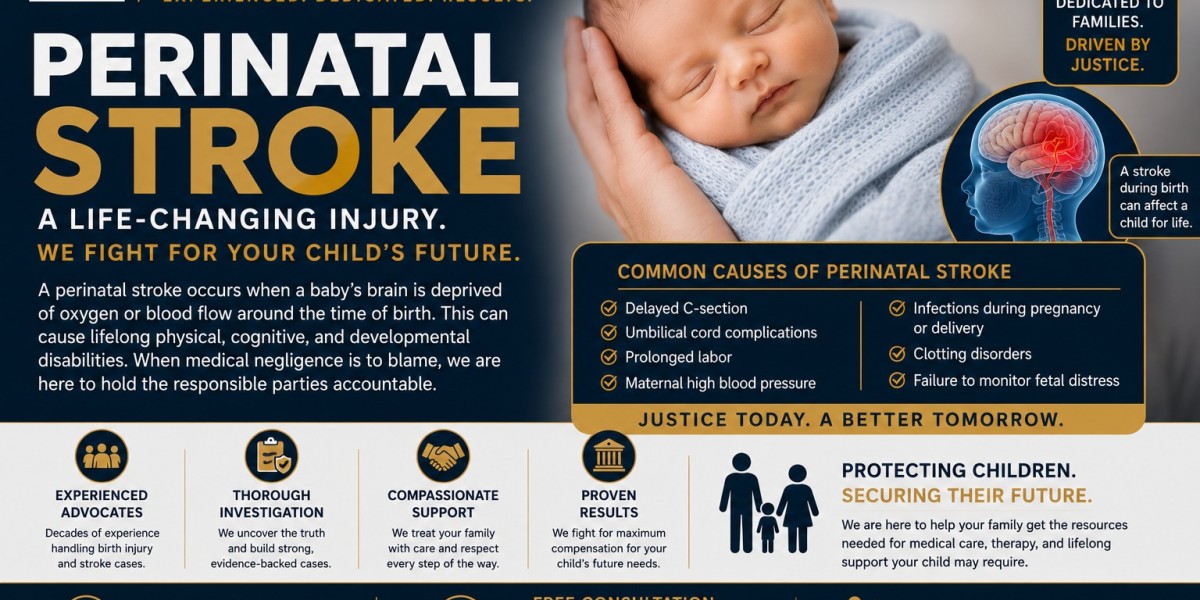

A perinatal stroke is a stroke that occurs shortly before, during, or soon after birth. Although relatively uncommon, it is one of the leading causes of neurological injury in newborns and can result in lifelong conditions such as cerebral palsy, developmental delays, epilepsy, or learning disabilities. Early diagnosis and treatment are essential to improve outcomes and help children reach their full potential.
Understanding the causes, symptoms, treatment options, and possible long-term effects of a perinatal stroke can help parents recognize the condition and seek appropriate medical care.
What Is a Perinatal Stroke?
A perinatal stroke occurs when blood flow to part of a baby's brain is interrupted or when bleeding occurs in the brain around the time of birth. Without adequate oxygen and nutrients, brain cells can become damaged, potentially affecting movement, speech, learning, or other neurological functions.
Perinatal strokes generally occur between the later stages of pregnancy and the first 28 days after birth.
Types of Perinatal Stroke
Several types of strokes can affect newborns, including:
Ischemic Stroke
An ischemic stroke occurs when a blood clot blocks an artery supplying blood to the brain. This is the most common type of perinatal stroke.
Hemorrhagic Stroke
A hemorrhagic stroke occurs when a blood vessel in the brain ruptures, causing bleeding that damages surrounding brain tissue.
Cerebral Sinovenous Thrombosis (CSVT)
This condition occurs when a blood clot forms in the veins that drain blood from the brain, leading to increased pressure and reduced blood flow.
Causes of Perinatal Stroke
In many cases, the exact cause of a perinatal stroke is unknown. However, several factors may increase the risk.
Possible causes include:
Blood clotting disorders
Placental abnormalities
Maternal infections
Pregnancy complications
Birth trauma
Oxygen deprivation before or during delivery
Congenital heart defects
Maternal high blood pressure
Diabetes during pregnancy
Complications involving the umbilical cord
Some babies develop a perinatal stroke despite having no identifiable risk factors.
Risk Factors
Certain maternal and newborn conditions may increase the likelihood of a perinatal stroke.
Risk factors include:
Premature birth
Difficult labor or delivery
Multiple pregnancies
Maternal blood clotting disorders
Preeclampsia
Maternal infections
Fetal distress
Low birth weight
Congenital heart disease
Having one or more risk factors does not necessarily mean a baby will experience a stroke.
Signs and Symptoms
Symptoms vary depending on the severity and location of the brain injury.
In newborns, symptoms may include:
Seizures within the first days of life
Difficulty feeding
Weakness on one side of the body
Low muscle tone
Excessive sleepiness
Breathing difficulties
Poor responsiveness
As children grow, additional signs may become noticeable, including:
Delayed developmental milestones
Difficulty crawling or walking
Muscle stiffness
Poor coordination
Speech delays
Learning difficulties
Weakness affecting one side of the body
Some children are not diagnosed until developmental delays become more apparent.
How Is Perinatal Stroke Diagnosed?
Doctors may use several tests to confirm a diagnosis.
Common diagnostic methods include:
Physical and neurological examination
Magnetic Resonance Imaging (MRI)
Computed Tomography (CT) scan
Cranial ultrasound
Blood tests
Electroencephalogram (EEG) for seizures
Heart evaluations when appropriate
Early diagnosis allows healthcare providers to begin treatment and supportive therapies as soon as possible.
Treatment Options
Treatment depends on the type and severity of the stroke and the child's symptoms.
Possible treatments include:
Seizure Management
Medications may be prescribed to control seizures in newborns.
Physical Therapy
Therapy helps improve strength, balance, and motor development.
Occupational Therapy
Children learn skills needed for daily activities and improved independence.
Speech Therapy
Speech and language therapy can address communication and feeding difficulties.
Ongoing Medical Care
Neurologists and pediatric specialists monitor development and manage any long-term complications.
Each child's treatment plan is tailored to their individual needs.
Possible Long-Term Effects
The long-term outlook varies depending on the extent of the brain injury.
Some children recover with minimal complications, while others may experience:
Cerebral palsy
Epilepsy
Muscle weakness
Developmental delays
Learning disabilities
Speech and language disorders
Behavioral challenges
Vision problems
Coordination difficulties
Early intervention and rehabilitation can significantly improve long-term outcomes.
Can Perinatal Stroke Be Prevented?
Not all perinatal strokes are preventable. However, regular prenatal care and careful monitoring during pregnancy and delivery may reduce certain risks.
Healthcare providers can help by:
Managing high-risk pregnancies
Monitoring maternal health conditions
Treating infections promptly
Monitoring fetal well-being
Responding quickly to labor complications
Providing appropriate medical intervention when necessary
Proper prenatal and delivery care plays an important role in promoting healthy outcomes.
When Medical Negligence May Be Involved
While many perinatal strokes occur without preventable causes, some cases may involve medical negligence if healthcare providers fail to meet the accepted standard of care.
Examples may include:
Failure to recognize fetal distress
Delayed emergency cesarean section
Inadequate monitoring during labor
Failure to respond to pregnancy complications
Improper management of maternal medical conditions
Delayed treatment after signs of newborn distress
If negligence contributed to a preventable brain injury, families may wish to consult an attorney experienced in birth injury cases to understand their legal options.
What Parents Can Do
If your child has been diagnosed with a perinatal stroke:
Follow your healthcare provider's treatment recommendations.
Attend all therapy appointments.
Monitor developmental milestones.
Keep detailed medical records.
Seek early intervention services when recommended.
Build a support network of healthcare professionals and educators.
Early and consistent care can make a meaningful difference in your child's development.
Conclusion
A perinatal stroke is a serious neurological event that can affect a child's development, movement, and overall quality of life. Although the condition can be overwhelming for families, early diagnosis, specialized medical care, and ongoing therapy can significantly improve outcomes. By understanding the causes, symptoms, treatment options, and long-term effects of perinatal stroke, parents can make informed decisions and provide the support their child needs to thrive.