
Organizations generate thousands of user interactions every day. From accessing sensitive files to using business applications, every action leaves behind valuable insights. Without proper visibility, businesses may struggle to detect suspicious behavior, ensure compliance, or investigate security incidents.
The right monitoring solution helps IT teams understand how employees interact with company resources while strengthening cybersecurity and improving operational efficiency. It provides detailed activity logs, real-time visibility, and actionable reports that support both security and productivity goals.
Whether you're managing a small business or a large enterprise, understanding how user monitoring works is the first step toward building a safer digital workplace.
What Is User Activity Monitoring Software?
User activity monitoring software is a security solution that records, analyzes, and reports user actions across organizational devices, applications, and networks. It enables IT administrators to identify unusual behavior, investigate incidents, maintain compliance, and optimize workforce productivity.
Commonly monitored activities include:
- Application usage
- Website visits
- File access and modifications
- Login and logout history
- USB device usage
- Email activity
- System configuration changes
By collecting these insights in a centralized dashboard, organizations gain better visibility into daily operations while minimizing security risks.
Why Do IT Teams Need User Monitoring?
Modern workplaces operate across cloud platforms, remote devices, and hybrid environments. As employees access company resources from multiple locations, maintaining visibility becomes increasingly challenging.
Effective monitoring helps organizations:
- Detect insider threats early
- Investigate security incidents faster
- Improve compliance readiness
- Reduce unauthorized access
- Strengthen security policies
- Enhance operational transparency
Instead of reacting after an incident occurs, IT teams can proactively identify warning signs before they become major problems.
Essential Features to Look For
When evaluating monitoring solutions, prioritize capabilities that provide actionable insights rather than simply collecting data.
Real-Time Activity Monitoring
Administrators should receive instant visibility into user actions as they happen, enabling quicker incident response.
Detailed Audit Trails
Comprehensive logs help reconstruct events during investigations and simplify regulatory reporting.
Intelligent Alerts
Automated notifications identify abnormal behavior, such as unusual login times, excessive downloads, or unauthorized access attempts.
Screen Recording
Visual playback provides additional context when investigating suspicious activities or policy violations.
File Access Monitoring
Tracking file creation, modification, deletion, and sharing helps organizations protect confidential information.
Behavior Analytics
Advanced analytics establish normal activity patterns and identify deviations that may indicate malicious behavior.
Centralized Reporting
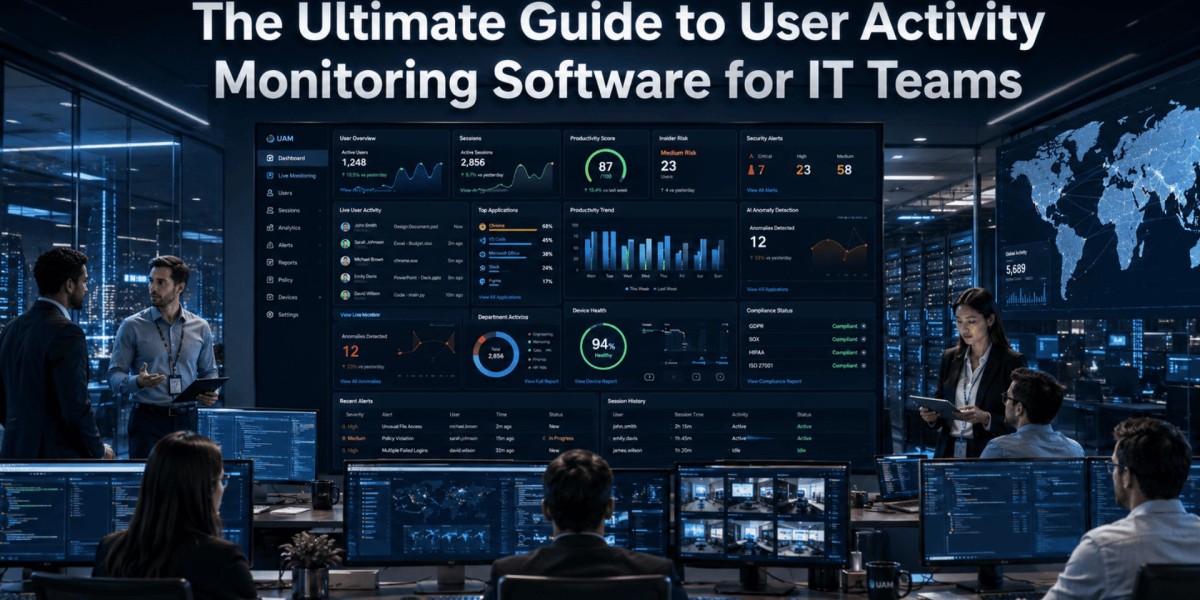
Easy-to-understand dashboards allow security teams to monitor trends, generate compliance reports, and make informed decisions.
How Monitoring Improves Organizational Security
Security is no longer limited to blocking external attackers. Internal risks can be equally damaging when left unnoticed.
Continuous monitoring helps organizations:
- Identify compromised accounts
- Detect privilege misuse
- Prevent unauthorized data access
- Improve forensic investigations
- Reduce response times
- Strengthen incident management
Combined with strong security awareness programs, monitoring creates multiple layers of protection against both internal and external threats.
Supporting Compliance and Governance
Many industries require organizations to maintain detailed records of user activities for regulatory compliance.
Monitoring solutions simplify compliance efforts by providing:
- Accurate audit logs
- User accountability
- Policy enforcement
- Historical activity records
- Automated reporting
These capabilities support compliance with various industry standards while reducing manual administrative work.
Best Practices for Successful Implementation
Deploying a monitoring solution involves more than installing software.
Follow these best practices:
- Define clear monitoring objectives.
- Create transparent employee usage policies.
- Monitor only business-related activities.
- Regularly review generated reports.
- Configure intelligent alerts for high-risk behavior.
- Secure collected monitoring data.
- Continuously update monitoring policies as business needs evolve.
A balanced approach promotes both security and employee trust.
Integrating Monitoring with Broader Security Strategies
User monitoring becomes even more effective when integrated with endpoint protection, identity management, SIEM platforms, and data loss prevention software. Together, these technologies create a layered security strategy that helps organizations reduce cyber risks while maintaining operational visibility.
Integration enables security teams to correlate user actions with network events, authentication logs, and endpoint alerts, leading to faster investigations and more accurate threat detection. Instead of relying on isolated security tools, organizations gain a unified view of their overall security posture.
Choosing the Right Solution
Not every monitoring platform offers the same capabilities. Before making a decision, consider factors such as:
- Ease of deployment
- Scalability
- Reporting capabilities
- Cloud and on-premises support
- Integration options
- Custom alert configuration
- Compliance support
- Vendor reputation
- Customer support quality
Selecting a solution that aligns with organizational goals ensures long-term value and easier adoption.
Future Trends in User Monitoring
As cyber threats continue to evolve, monitoring technologies are becoming smarter and more predictive.
Emerging innovations include:
- AI-powered behavioral analytics
- Predictive risk scoring
- Automated threat investigations
- Cloud-native monitoring
- Zero Trust integration
- Advanced anomaly detection
These advancements help organizations identify risks earlier while reducing manual workload for IT teams.
You can also watch this video: Why Is User Activity Tracking Essential For Your Business?
Summary
User activity monitoring software has become an essential component of modern cybersecurity strategies. By providing real-time visibility into employee activities, organizations can detect threats faster, improve compliance, investigate incidents efficiently, and strengthen operational security. The right solution not only protects sensitive information but also supports informed decision-making and long-term business resilience.
Frequently Asked Questions
What is the primary purpose of user monitoring?
Its primary purpose is to improve visibility into user actions, helping organizations strengthen security, ensure compliance, and investigate suspicious activities.
Is employee monitoring legal?
In many regions, employee monitoring is legal when organizations follow applicable privacy laws, maintain transparency, and communicate monitoring policies clearly.
Can monitoring improve productivity?
Yes. Activity insights help managers identify workflow challenges, optimize resource allocation, and support better operational efficiency.
What industries benefit the most?
Healthcare, finance, government, education, manufacturing, technology, and retail organizations commonly use monitoring solutions to improve security and meet compliance requirements.
How does user activity monitoring software differ from traditional security tools?
Traditional security tools focus primarily on blocking external threats, while user activity monitoring software provides visibility into user behavior, enabling organizations to detect insider risks, investigate incidents, and maintain accountability across digital environments.