
Introduction
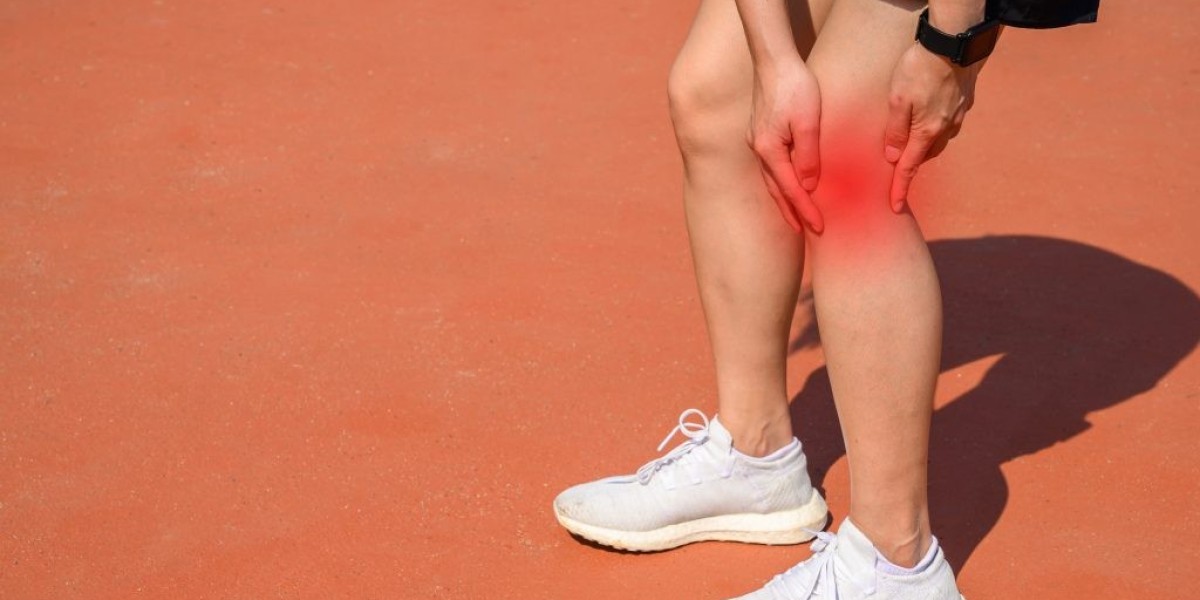
Running is one of the most effective ways to improve cardiovascular fitness, build endurance, and maintain overall health. However, repetitive impact on the lower limbs can sometimes lead to overuse injuries, with Iliotibial (IT) Band Syndrome being one of the most common causes of knee pain in runners. Whether you are training for your first 5K, preparing for a marathon, or simply enjoy recreational jogging, pain on the outside of the knee can quickly interrupt your routine and limit your performance.
IT Band Syndrome develops gradually and is often the result of repetitive friction between the iliotibial band and the outer part of the knee. Initially, the discomfort may appear only during longer runs, but without proper care, the pain can become more frequent and eventually interfere with everyday activities such as climbing stairs or walking.
The good news is that most cases respond well to conservative treatment. Early assessment, gait analysis, strengthening exercises, footwear advice, and biomechanical correction can all play an important role in recovery. Professional Expert Podiatry services in Edinburgh work alongside rehabilitation strategies to identify the underlying cause of the problem rather than simply treating the symptoms. With the right approach, runners can recover safely and reduce the risk of future injuries.
What Is IT Band Syndrome?
The iliotibial band is a thick band of connective tissue that runs from the outside of the hip down to the outer side of the knee. It helps stabilise the knee during walking, running, and other weight-bearing activities.
When this tissue becomes irritated through repetitive movement, inflammation develops around the outer part of the knee. This condition is known as Iliotibial Band Syndrome (ITBS).
Although IT Band Syndrome is commonly associated with runners, it can also affect cyclists, hikers, football players, and anyone who performs repetitive lower-limb activities.
Why Runners Commonly Develop IT Band Syndrome
Running places repeated stress on the knees with every stride. If muscles become weak, footwear is unsuitable, or running mechanics are inefficient, additional strain is placed on the iliotibial band.
Small movement faults that seem insignificant during short runs may gradually become larger problems over hundreds or thousands of running steps.
Several contributing factors often work together, including poor biomechanics, muscle weakness, and sudden increases in training intensity.
Professional Expert Podiatry services in Edinburgh can help identify these contributing factors through a comprehensive biomechanical assessment.
Common Causes of IT Band Syndrome
IT Band Syndrome rarely develops because of a single issue. Instead, multiple factors often contribute to the condition.
Common causes include:
- Sudden increases in running distance
- Rapid increases in training intensity
- Poor running technique
- Worn-out running shoes
- Flat feet
- High foot arches
- Weak hip muscles
- Tight hip muscles
- Leg length differences
- Running on uneven surfaces
- Insufficient recovery between training sessions
Identifying these causes is an important step in creating an effective treatment plan.
Recognising the Symptoms
The symptoms of IT Band Syndrome usually develop gradually rather than appearing suddenly.
Most runners first notice discomfort on the outside of the knee during longer runs. As the condition progresses, the pain may begin earlier during exercise and remain afterwards.
Common Symptoms Include
- Pain on the outside of the knee
- Sharp pain while running
- Tenderness around the knee
- Pain when running downhill
- Discomfort during stair climbing
- Tightness along the outer thigh
- Reduced running performance
- Pain after prolonged activity
Ignoring these symptoms may allow the irritation to worsen over time.
Why Early Treatment Matters
Many runners continue training despite mild knee pain, hoping the discomfort will disappear on its own. Unfortunately, continuing to run through pain often aggravates the condition.
Without appropriate management, inflammation may increase and recovery can become significantly longer.
Seeking early treatment offers several important advantages.
Benefits of Early Intervention
- Faster recovery
- Reduced inflammation
- Improved running mechanics
- Lower risk of chronic pain
- Quicker return to training
- Reduced likelihood of recurring injuries
Early assessment allows underlying biomechanical problems to be corrected before they become long-term issues.
How IT Band Syndrome Is Diagnosed
Diagnosis usually begins with a detailed discussion about your symptoms, training habits, footwear, and medical history.
A podiatrist or physiotherapist will then perform a physical examination that may include:
- Assessing knee movement
- Examining hip strength
- Checking muscle flexibility
- Evaluating foot posture
- Observing walking and running mechanics
Many clinics offering Expert Podiatry services in Edinburgh also perform gait analysis to identify movement patterns contributing to knee pain.
The Role of Biomechanical Assessment
One of the most valuable aspects of podiatry treatment is identifying movement abnormalities that increase stress on the iliotibial band.
A biomechanical assessment evaluates how the feet, ankles, knees, hips, and pelvis work together during movement.
The assessment may reveal:
What Biomechanical Assessment Can Identify
- Excessive foot pronation
- High arches
- Uneven weight distribution
- Poor running technique
- Leg length differences
- Muscle imbalances
Correcting these issues often plays a major role in long-term recovery.
Treatment Options for IT Band Syndrome
Successful treatment focuses on reducing pain while correcting the factors responsible for the injury.
Each rehabilitation programme should be tailored to the individual runner.
Activity Modification
During the early stages of recovery, reducing running volume helps decrease irritation around the knee.
This does not always mean complete rest. Instead, your clinician may recommend temporarily switching to lower-impact activities such as cycling with appropriate resistance, swimming, or cross-training while symptoms improve.
Gradual return to running is introduced once pain has significantly reduced.
Stretching and Mobility Exercises
Tight muscles surrounding the hip and thigh can increase tension within the iliotibial band.
Regular stretching may improve flexibility in:
- Hip muscles
- Quadriceps
- Hamstrings
- Gluteal muscles
- Calf muscles
Improving flexibility helps restore normal movement and reduces excessive stress during running.
Strengthening Exercises
Weak muscles, particularly around the hips and pelvis, are frequently associated with IT Band Syndrome.
A structured strengthening programme often focuses on improving:
Key Muscle Groups
- Gluteal muscles
- Hip abductors
- Core muscles
- Quadriceps
- Hamstrings
Improved strength provides better control of lower limb movement during running.
Gait Analysis
Running technique plays a significant role in knee health.
A detailed gait assessment evaluates:
- Foot strike pattern
- Step length
- Running cadence
- Hip movement
- Knee alignment
- Overall running efficiency
Professional Expert Podiatry services in Edinburgh frequently include gait analysis to identify mechanical problems contributing to repeated injuries.
Footwear Assessment
Many running injuries are influenced by inappropriate footwear.
Shoes that no longer provide adequate support or cushioning may increase stress on the lower limbs.
Your podiatrist may recommend shoes that better suit your:
- Foot shape
- Running style
- Training surface
- Biomechanics
Replacing worn-out running shoes at appropriate intervals is also important for injury prevention.
Custom Orthotics
For runners with abnormal foot mechanics, custom orthotics may help improve lower limb alignment.
Orthotics are designed to:
Benefits of Orthotics
- Improve foot stability
- Reduce excessive pronation
- Improve shock absorption
- Optimise running mechanics
- Reduce stress on the knee
They are particularly beneficial when foot posture contributes to IT Band Syndrome.
Tips to Prevent IT Band Syndrome
Preventing recurrence is just as important as treating the current injury.
Simple changes to your training routine can significantly reduce future risk.
Prevention Tips
- Increase mileage gradually
- Warm up before running
- Stretch regularly
- Strengthen hip muscles
- Replace worn running shoes
- Cross-train regularly
- Allow adequate recovery time
- Maintain good running technique
Consistency with these habits supports healthier running for the long term.
When Should You Seek Professional Help?
Although mild muscle soreness after exercise is normal, persistent knee pain should not be ignored.
Arrange an assessment if you experience:
Signs You Need Professional Care
- Pain lasting more than a few days
- Knee pain during every run
- Pain affecting walking
- Recurrent running injuries
- Reduced running performance
- Swelling around the knee
- Difficulty returning to training
Early intervention often leads to faster recovery and reduces the likelihood of chronic problems.
How Expert Podiatry Services Can Help
Professional Expert Podiatry services in Edinburgh provide comprehensive care for runners experiencing IT Band Syndrome.
Treatment may include:
Professional Running Injury Management
- Biomechanical assessment
- Gait analysis
- Footwear recommendations
- Custom orthotics
- Exercise guidance
- Running advice
- Injury prevention strategies
- Ongoing monitoring
This personalised approach addresses both symptom relief and long-term injury prevention.
Conclusion
IT Band Syndrome is one of the most common causes of knee pain among runners, but it does not have to end your training goals. Early recognition, proper assessment, and evidence-based treatment can help reduce pain, restore movement, and prevent recurring injuries.
Successful recovery involves more than simply resting the knee. Identifying biomechanical problems, improving muscle strength, correcting running technique, and choosing appropriate footwear all contribute to lasting results.
If knee pain is affecting your running, seeking professional Expert Podiatry services in Edinburgh can provide the personalised care needed to return safely to the activities you enjoy. With expert guidance and a structured rehabilitation plan, you can recover confidently, improve your running mechanics, and reduce the risk of future injuries.