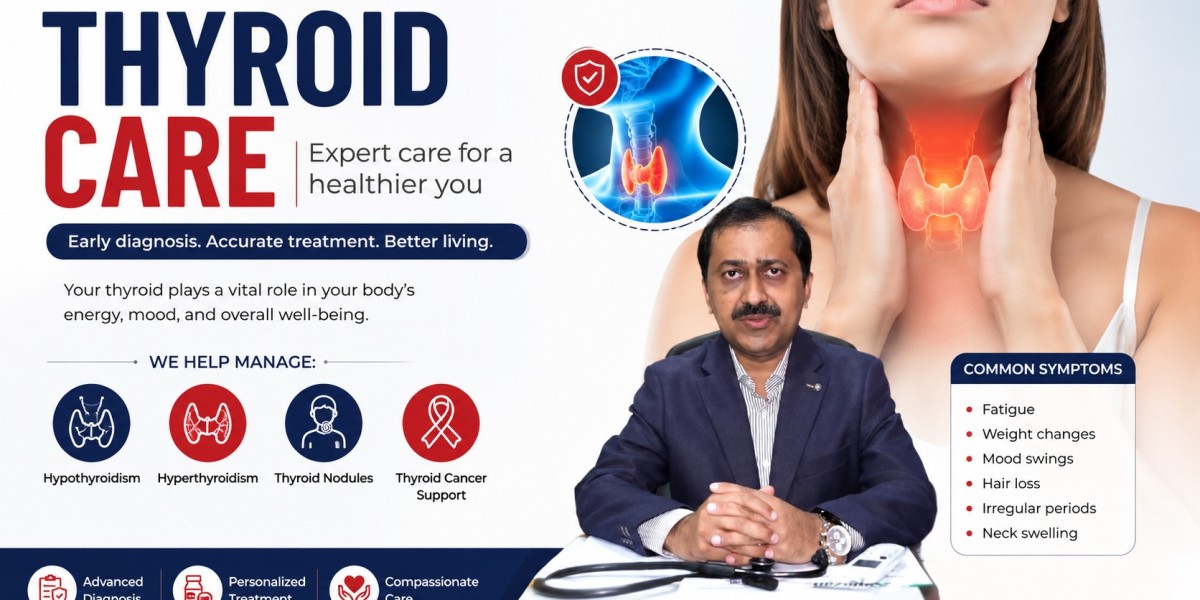

Thyroid Care
Feeling tired all the time, gaining weight without changing your diet, or struggling with constant mood swings may not simply be part of a busy lifestyle. In many cases, these symptoms can point to a thyroid problem that often goes unnoticed until it starts affecting daily life.
The thyroid gland may be small, but it influences nearly every organ in the body. It helps regulate metabolism, energy production, body temperature, heart rate, digestion, and hormone balance. When it doesn't function properly, both physical and emotional health can suffer.
This guide explains everything you need to know about Thyroid Care, including early warning signs, causes, diagnosis, treatment options, nutrition, lifestyle habits, and practical steps that support long-term thyroid health.
Why Is Thyroid Care Important?
Proper thyroid function allows your body to produce the right amount of thyroid hormones—primarily T3 (Triiodothyronine) and T4 (Thyroxine). These hormones control how efficiently your body uses energy.
According to the World Health Organization (WHO), iodine deficiency remains one of the leading preventable causes of thyroid disorders worldwide. Meanwhile, organizations like the American Thyroid Association emphasize early diagnosis because many thyroid conditions respond well to treatment.
Good thyroid health helps support:
Healthy metabolism
Stable energy levels
Heart function
Brain performance
Reproductive health
Healthy skin and hair
Weight regulation
Emotional well-being
Ignoring symptoms may increase the risk of long-term complications, including cardiovascular disease, infertility, osteoporosis, and pregnancy-related concerns.
What Are the Most Common Thyroid Disorders?
The thyroid can become either overactive or underactive.
Condition | Hormone Level | Common Symptoms |
Hypothyroidism | Too Low | Fatigue, weight gain, dry skin, constipation, feeling cold |
Hyperthyroidism | Too High | Weight loss, anxiety, rapid heartbeat, sweating, tremors |
Thyroid Nodules | Usually Normal | Lump in the neck, swallowing difficulty |
Goiter | Variable | Enlarged thyroid gland |
Thyroid Cancer | Variable | Persistent neck lump, voice changes |
Autoimmune diseases such as Hashimoto's Thyroiditis and Graves' Disease are among the most common causes of thyroid dysfunction.
How Can You Recognize Early Thyroid Problems?
Early symptoms often develop gradually, making them easy to overlook.
Common warning signs include:
Constant tiredness
Unexplained weight changes
Hair thinning
Dry skin
Depression or anxiety
Memory difficulties
Muscle weakness
Irregular menstrual cycles
Puffy face
Cold or heat intolerance
Slow or rapid heartbeat
Featured Snippet Answer
If several of these symptoms persist for weeks, consult a healthcare professional for thyroid function testing instead of assuming they are caused by stress or aging.
What Tests Help Diagnose Thyroid Conditions?
Doctors typically combine physical examination with laboratory testing.
The most common tests include:
TSH (Thyroid Stimulating Hormone)
Free T4
Free T3
Thyroid antibody tests
Thyroid ultrasound
Radioactive iodine uptake scan (when necessary)
Fine needle biopsy for suspicious nodules
A single blood test may not provide the complete picture, especially in autoimmune thyroid disease.
Which Foods Support a Healthy Thyroid?
Nutrition plays an important role, although diet alone cannot cure thyroid disease.
Helpful nutrients include:
Iodine
Found in:
Iodized salt
Seafood
Dairy products
Selenium
Good sources include:
Brazil nuts
Eggs
Tuna
Sunflower seeds
Zinc
Available in:
Lean meat
Pumpkin seeds
Chickpeas
Iron
Important sources include:
Spinach
Lentils
Red meat
Vitamin D
Low vitamin D levels are frequently observed in people with autoimmune thyroid disorders.
A balanced diet rich in vegetables, fruits, lean protein, whole grains, and healthy fats supports overall hormone balance.
Which Daily Habits Help Maintain Better Thyroid Health?
Healthy lifestyle choices make a meaningful difference.
Experts commonly recommend:
Exercise at least 150 minutes each week.
Sleep 7–9 hours nightly.
Reduce chronic stress through meditation or deep breathing.
Avoid smoking.
Limit highly processed foods.
Take thyroid medication exactly as prescribed.
Schedule regular thyroid blood tests.
Stay physically active.
For example, many patients notice improved energy after combining prescribed medication with regular walking, balanced nutrition, and consistent sleep routines.
Can Lifestyle Alone Treat Thyroid Disease?
No.
Lifestyle improvements support overall health but should never replace medical treatment.
For example:
Hypothyroidism usually requires thyroid hormone replacement.
Hyperthyroidism may require medication, radioactive iodine therapy, or surgery.
Thyroid cancer requires specialist evaluation and individualized treatment.
Always follow guidance from a qualified endocrinologist or healthcare provider.
What Mistakes Should You Avoid?
Many people unintentionally make choices that interfere with thyroid health.
Common mistakes include:
Stopping medication once symptoms improve.
Taking thyroid medicine with coffee.
Ignoring follow-up blood tests.
Self-prescribing iodine supplements.
Believing every weight issue comes from the thyroid.
Relying solely on social media health advice.
Even natural supplements may interact with thyroid medication.
When Should You See a Doctor?
Seek medical advice if you experience:
Persistent fatigue
Rapid or unexplained weight changes
Neck swelling
Difficulty swallowing
Fast or irregular heartbeat
Ongoing depression without a clear cause
Family history of thyroid disease
Early diagnosis often leads to better long-term outcomes and fewer complications.
How Can You Protect Your Thyroid for Life?
Long-term thyroid wellness depends on regular monitoring and healthy habits.
Focus on these best practices:
Eat a nutrient-rich diet.
Stay physically active.
Manage stress effectively.
Get routine blood work if recommended.
Follow prescribed treatment consistently.
Discuss new symptoms with your healthcare provider promptly.
Avoid unnecessary supplements without medical advice.
Small, consistent actions often have the greatest impact over time.
Frequently Asked Questions
1. What are the first signs of thyroid problems?
Early signs often include fatigue, weight changes, hair loss, dry skin, mood changes, and sensitivity to cold or heat.
2. Can thyroid disease be cured permanently?
Some thyroid conditions are temporary, while others require lifelong management. Treatment depends on the underlying cause.
3. Which foods should people with thyroid problems avoid?
Highly processed foods, excessive iodine supplements without medical advice, and certain foods that interfere with medication timing should be limited.
4. How often should thyroid levels be tested?
Testing frequency depends on your diagnosis. Many patients require blood tests every 6–12 months, while others may need more frequent monitoring during treatment adjustments.
5. Can exercise improve thyroid health?
Yes. Regular physical activity supports metabolism, cardiovascular health, mood, and weight management. However, it complements medical treatment rather than replacing it.
Conclusion
Maintaining Thyroid Care is one of the most effective ways to protect your energy, metabolism, heart health, and overall quality of life. Paying attention to early symptoms, following medical advice, eating a balanced diet, and keeping regular checkups can prevent many complications. If you suspect a thyroid issue, don't delay seeking professional evaluation. Early action can make treatment simpler and improve long-term health.