
Speed and Ease of Setup
One of the most noticeable differences is the setup time. Hard shell camping roof tents are known for their quick deployment. They often open in under a minute by simply releasing a few latches, making them ideal for frequent stops or overnight travel where every minute counts . Soft shell models generally take longer to set up, around three to four minutes, as they require unfolding and securing fabric sections . For adventurers who move campsites daily, this speed can be a significant advantage.
Interior Space and Comfort
Soft shell camping roof tents typically offer a larger interior footprint when fully deployed. Their fold-out design creates generous sleeping areas and often includes additional sheltered space, making them well suited for families or longer stays . Hard shell models, while offering excellent comfort, tend to have a more compact sleeping area. They are often preferred by solo travelers or couples who prioritize efficiency over interior room . The choice here often depends on group size and the need for extra living space.
Durability and Weather Protection
The construction of hard shell tents provides superior protection against the elements. With a rigid outer shell, often made of aluminum or fiberglass, they offer better wind resistance and insulation . This makes them a reliable choice for varied climates. Soft shell tents, while durable, have a fabric canopy that may not withstand harsh weather as effectively over time . For campers who frequently encounter rough conditions, a hard shell is often the more dependable option.
Weight, Vehicle Compatibility, and Affordability
Soft shell tents are generally lighter and more budget-friendly, making them suitable for a wider range of vehicles, including those with lower dynamic roof load limits . They are also easier to store when not in use. Hard shell tents, however, are heavier and typically require a vehicle with a higher load capacity . This added weight and construction often come with a higher price tag, but the investment reflects greater durability and faster setup times.
Making the Right Choice for Your Adventure
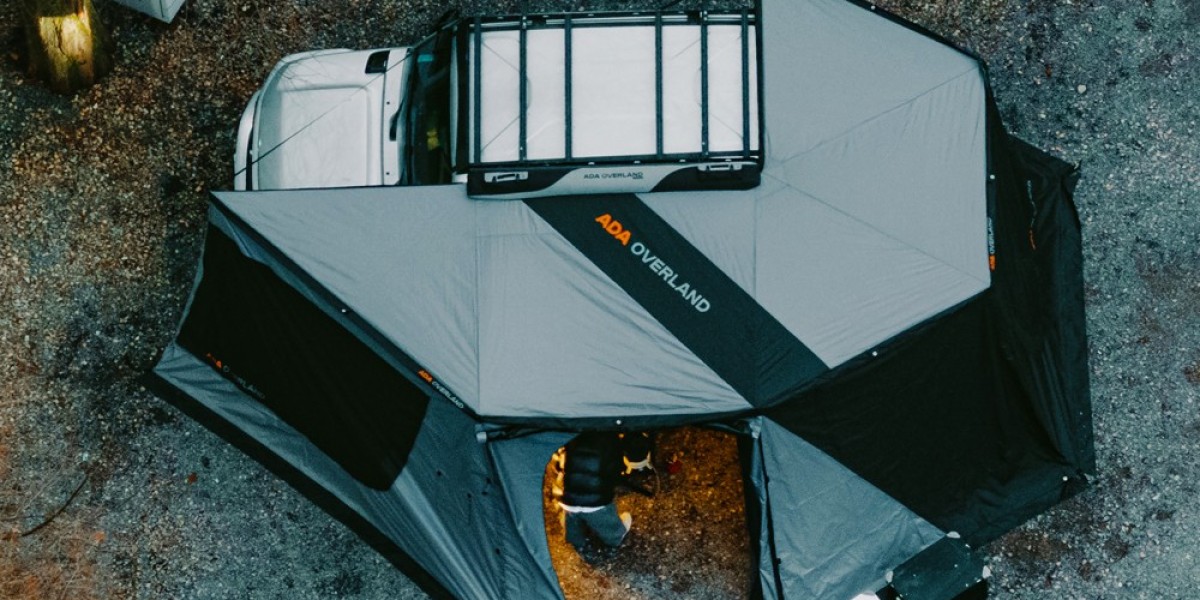
Deciding between a hard shell and soft shell camping roof tent ultimately comes down to travel style. For campers who value quick setup, compact aerodynamics, and long-term durability, a hard shell is a strong choice. For those who prioritize interior space, versatility, and affordability, a soft shell model may be the better fit . Both designs offer an elevated camping experience, and leading suppliers like ADA OVERLAND provide options in both categories, catering to different adventure needs and vehicle setups .