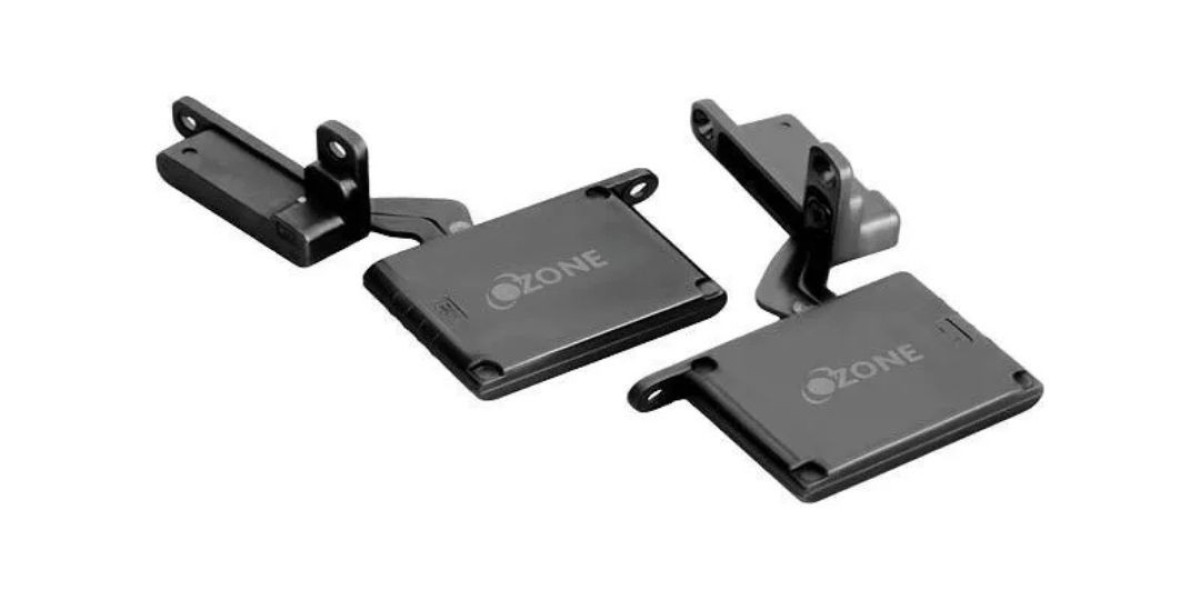

A cabinet door depends on a small part that does a big job. The right furniture hardware hinges help the door open smoothly, close in line, and stay firm during daily use. A poor match can cause rubbing, uneven gaps, loud closing, or loose screws.
Before buying, check the door style, cabinet build, door weight, opening angle, and closing action. Ozone lists air hinges, soft-close hinges, auto-close hinges, and special-application hinges.
What Furniture Hardware Hinges Do
Furniture hardware hinges join a door to the cabinet body and guide its movement. They carry the load and help keep the door level. Modern concealed hinges stay hidden when the door is shut. Many also let installers adjust the door up, down, inward, or sideways.
They are used in:
- Kitchen cabinets
- Wardrobes
- Bathroom vanity units
- Office storage
- TV units and sideboards
The hinge must suit the door material, thickness, size, and position.
Main Types of Furniture Hardware Hinges
Door position is the first point to check.
Full overlay hinges suit doors that cover most or all of the cabinet side panel. They are common in modern furniture.
Half overlay hinges work when two doors share one centre panel. Each door covers part of that panel.
Inset hinges suit doors that sit inside the cabinet opening. These doors need careful fitting because the edge gaps must remain even. Overlay and inset doors use different hinge forms.
Closing action also changes the result:
- Soft-close hinges slow the door before it shuts.
- Auto-close hinges pull the door closed near the end.
- Air hinges give smooth movement in a compact form.
- Special hinges suit corners, glass doors, wide openings, or unusual angles.
How to Choose Furniture Hardware Hinges
Use the cabinet design as your starting point. Check:
- Door fit: Full overlay, half overlay, or inset.
- Cabinet build: Frameless or face-frame.
- Door material: Wood, MDF, plywood, board, or glass.
- Door weight: Heavy and tall doors may need more hinges.
- Opening angle: Corner units often need wider movement.
- Closing style: Soft-close for quiet use or auto-close for a firm pull.
- Adjustment: Adjustable furniture hinges make alignment easier.
Do not choose by looks alone. Similar hinges may have different cup sizes, arms, plates, opening angles, or load limits.
Installation Tips for Cabinet Hinges
Even good furniture hardware hinges work poorly when drilling is wrong. Mark every hinge from the same reference edge. Drill straight and keep the cup hole at the required depth. Avoid over-tightening screws in MDF or particle board.
Fit the mounting plate, attach the door, and adjust the gaps. For replacement work, compare the old hinge’s cup size, screw pattern, arm shape, plate height, and overlay.
Maintenance for Furniture Hardware Hinges
Furniture hardware hinges need simple care. Wipe away dust and kitchen grease. Tighten loose screws when a door starts to drop. Use the adjustment screws if the door rubs instead of forcing it.
Replace a hinge when the arm bends, the spring fails, or the soft-close action stops. Use matching hinges on one door so the closing force stays balanced.
Frequently Asked Questions
What are the main types of furniture hinges?
Common types include concealed, full overlay, half overlay, inset, soft-close, auto-close, air, and special-application hinges.
Which hinges are best for kitchen cabinets?
Concealed soft-close furniture hardware hinges suit many kitchens because they stay hidden and reduce hard closing.
What is the difference between soft-close and self-closing hinges?
A self-closing hinge pulls the door shut. A soft-close hinge slows the door before it closes, giving a quieter finish.
How do I know what hinge size I need?
Measure the hinge cup, screw spacing, overlay, plate height, door thickness, and opening angle.
How many hinges does a cabinet door need?
The number depends on door height, weight, material, and hinge load rating. Heavy doors usually need more support.
Can normal hinges be replaced with soft-close hinges?
Yes, when the new furniture hardware hinges match the door overlay, cabinet type, drilling pattern, and mounting plate.
Conclusion: Better Cabinet Hinge Performance
Good furniture hardware hinges make cabinets quieter, safer, and easier to use. Match the hinge to the door position, cabinet style, weight, and closing action. Correct measuring and fitting matter as much as product quality. When every part matches, the door opens smoothly, sits straight, and closes with control.