
Mealtime with a baby can be sweet, messy, funny, and let’s be honest a little stressful. One minute your baby is opening their mouth like a tiny bird. The next minute, mashed banana is on the floor, the bib, the high chair, and somehow your sleeve too. But the spoon you use can make a bigger difference than many parents expect. Silicone Baby Spoons are becoming a favorite for first meals because they’re soft, gentle, easy to hold, and much kinder on little gums than hard plastic or metal spoons. When your baby is learning new tastes and textures, comfort matters. Think about it. For a baby, that first spoonful of puree is a brand-new experience. New smell. New texture. New feeling in the mouth. A spoon that feels soft and smooth can make the whole thing less strange.
Why Soft Spoons Matter More Than You Think
Here’s the thing: babies don’t just eat with their mouths. They explore with them. A spoon is not only a feeding tool. It’s also something they touch, chew, gum, grab, drop, and inspect like a tiny scientist.That’s why soft baby spoons for gums are so useful during the early feeding months. Babies may not have teeth yet, but their gums can still be sensitive. Teething can make them even more tender. A hard spoon can feel uncomfortable, especially when a baby turns their head or bites down suddenly.Silicone has a softer feel. It bends slightly. It doesn’t clink against gums or feel cold like metal. Small detail? Maybe. But during baby feeding, small details often decide whether mealtime goes smoothly or turns into a full high chair protest.
What Makes Silicone Baby Spoons Different?
Not all baby spoons are the same. Some are too deep for small mouths. Some are slippery. Some have stiff edges that scrape against the lips. Silicone spoons are usually designed with babies in mind, not just smaller versions of adult cutlery.
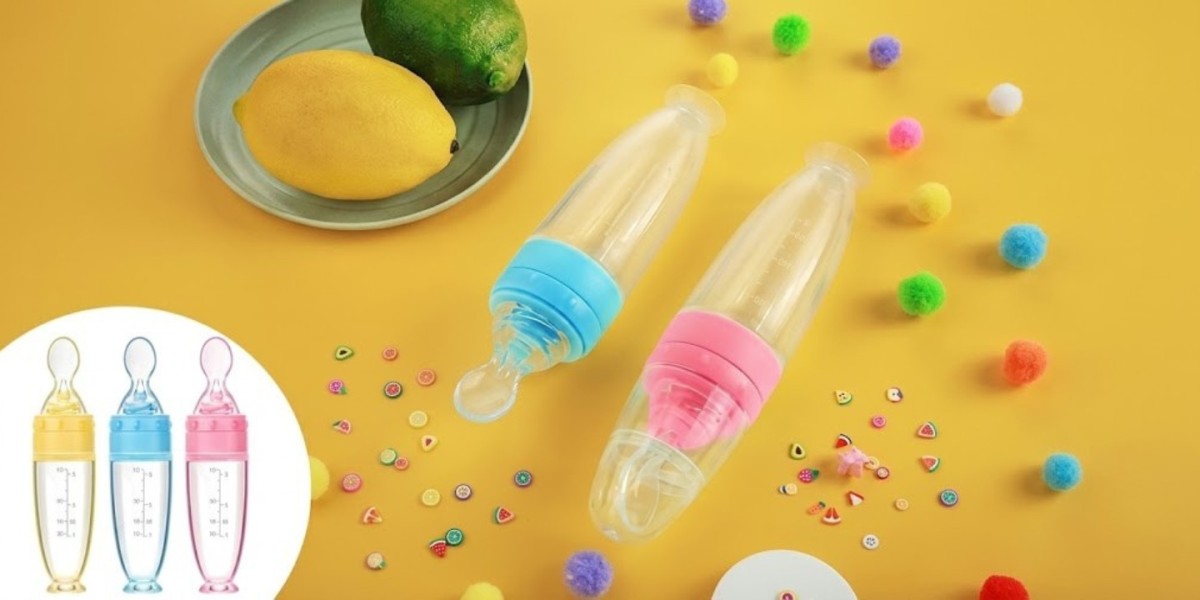
Good Silicone Baby Spoons often have:
A soft, flexible spoon tip
A shallow bowl for tiny portions
A lightweight handle
Smooth edges
BPA-free, food-grade silicone
Easy-clean surfaces
That last point matters more than it sounds. Baby food dries fast. Oatmeal, rice cereal, carrot puree it all turns into cement if you blink too long. Silicone is usually simple to rinse and clean, which saves parents a little sanity.
A Spoon That Supports Self-Feeding
At some point, babies want control. They grab the spoon. They wave it. They bang it. They may even get one spoonful into their mouth by accident and look very proud.This is normal and actually helpful. Self-feeding builds coordination, confidence, and curiosity around food. Baby-led weaning spoons and silicone training spoons are made for that stage because they’re softer and easier for small hands to manage.Of course, self-feeding is messy. Very messy. But mess is part of learning. A baby squeezing avocado through their fingers may look chaotic, but they’re learning texture, pressure, and hand control. The spoon is part of that little learning adventure.
Are Silicone Infant Spoons Safe?
Parents care about safety first, and they should. When choosing silicone infant spoons, look for food-grade silicone and clear safety details. Many parents also search for BPA-free baby spoons, especially when replacing older plastic feeding tools.A good baby spoon should feel sturdy but soft. It should not have sharp edges, loose pieces, or paint that can chip. The size should match your baby’s age and stage. For younger babies starting purees, a smaller spoon head works better. For older babies and toddlers, a slightly bigger spoon may help with thicker foods.
The Gum-Friendly Advantage
Teething can turn a peaceful baby into a tiny chewing machine. During this phase, some babies bite down on the spoon more than they eat from it. That’s another reason silicone is helpful.Soft silicone spoons feel gentle when babies chew them. They’re not teething toys, of course, but they’re much more forgiving than hard spoons during feeding. For babies with sore gums, the soft texture can make mealtime feel less annoying.This is why many parents look for phrases like gentle baby feeding spoon, soft tip baby spoon, or baby spoons for sensitive gums. They’re not just buying a spoon. They’re trying to make feeding feel easier for their child.
Less Stress for Parents, Too
A calm baby is great. But parents need a break as well.Baby feeding spoons are usually dishwasher-safe, quick to rinse, and easy to pack in a diaper bag. That makes them handy for home, travel, daycare, or a quick visit to grandma’s house. Some come in sets, so one can stay in the kitchen, one in the diaper bag, and one probably under the couch.The right spoon will not magically stop food from landing on the floor. No spoon has that power. But it can reduce little struggles: gagging from a spoon that’s too deep, fussiness from hard edges, or slipping because the handle is awkward.
Choosing the Right Spoon for Your Baby
When shopping for silicone baby utensils don’t only look at color. Yes, cute colors are fun. Pastels, earthy tones, bright fruit shades all look nice in the kitchen drawer. But function matters more.A good spoon should match your baby’s feeding stage. For first purees, choose a narrow spoon with a shallow scoop. For babies learning self-feeding, look for short handles with an easy grip. For toddlers, a stronger handle and slightly larger spoon bowl may work better.If your baby is still very young, search for newborn feeding spoons carefully. Most babies begin solids later, so the spoon should fit the correct feeding stage and your pediatrician’s guidance.
Mealtime Is Not a Race
It’s easy to compare. One baby eats a full bowl of oatmeal. Another takes two tiny bites and throws the spoon. One loves carrots. Another acts personally offended by them.The early months of feeding are not about clean plates. They’re about practice. Babies are learning how food feels, how spoons work, how swallowing happens, and how mealtime fits into their day. Silicone spoons help because they keep the experience gentle and simple.Some days your baby will eat well. Some days they won’t. Keep offering. Keep it relaxed. And keep a cloth nearby, probably two.
Are Silicone Baby Spoons safe for babies?
Yes, food-grade baby training spoons are safe, soft, and gentle for early feeding when used under supervision.
When should I start using Silicone Baby Spoons?
Most babies start solids around 6 months, but it’s best to follow your pediatrician’s advice.
Are silicone spoons good for teething gums?
Yes, their soft tips feel gentle on sore or sensitive gums during feeding time.
How do I clean Silicone Spoons?
Wash them with warm soapy water after each use. Many silicone spoons are also dishwasher-safe.
Final Thoughts
Safe baby spoons may seem like a small purchase, but they can make early feeding feel softer, safer, and less stressful. They’re gentle on gums, easy for parents to clean, and useful through different feeding stages.For first tastes, teething days, and messy little self-feeding moments, a soft silicone spoon is one of those baby items that actually earns its place in the drawer.Mealtime will still be messy. That part doesn’t change. But with the right spoon, it can feel a little calmer, a little easier, and maybe even a little more fun.