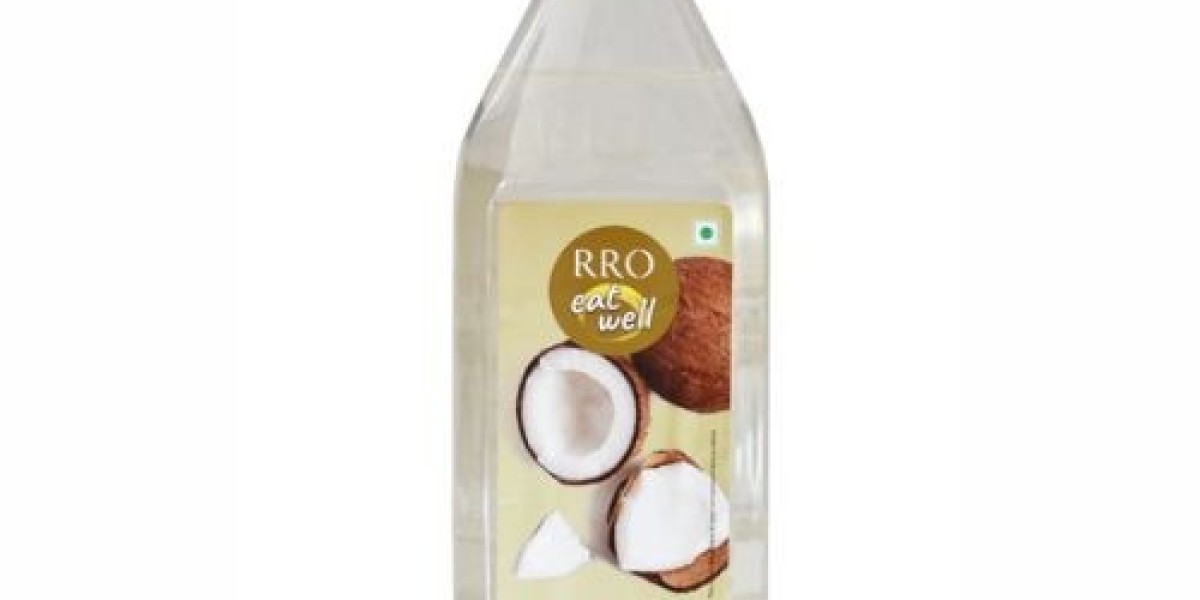

Cold pressed oils add natural taste and aroma to everyday food. They are made by pressing seeds or nuts without chemical solvents and with limited heat. This process helps retain more of the oil’s flavour and plant compounds. The RRO range includes groundnut, mustard, sesame, and coconut oils for Indian cooking.
What Are Cold Pressed Oils?
Cold pressed oils are made through mechanical pressure rather than heavy refining. Seeds such as groundnut, mustard, and sesame are crushed slowly, and the oil is collected in a less processed form.
These oils often have a deeper colour, stronger smell, and clearer seed-based taste. Refined oils usually go through more processing to create a lighter colour and neutral flavour. Many families choose cold-pressed cooking oils when they want food to taste closer to traditional home cooking.
Main Benefits of Cold Pressed Oils
The key value of cold pressed oils is minimal processing. Research reviews show that cold pressing can help retain natural plant compounds such as phenolics, sterols, and carotenoids.
They also bring more flavour to simple meals.
- Natural aroma from the original seed
- No chemical solvent extraction
- Stronger taste than many refined oils
- Useful for traditional Indian recipes
- Suitable for tadka, sautéing, dressings, and moderate heat
These oils are still fats and are high in calories. Use sensible portions as part of a balanced diet.
Best Cold Pressed Oils for Indian Food
Groundnut oil has a mild, nutty taste. It works well for sabzi, poha, dal, shallow frying, and daily cooking.
Mustard oil has a strong aroma and sharp taste. It suits pickles, marinades, fish curry, and many North and East Indian dishes.
Sesame oil has a rich, earthy flavour. Use it for stir-fries, chutneys, podi, South Indian food, or a final tadka.
Coconut oil gives food a mild coconut flavour. It works well in coastal curries and southern Indian recipes. RRO’s collection currently lists all four types.
How to Cook With Natural Pressed Oils
Match the oil to the right heat level. Do not let it smoke heavily. Once oil passes its smoke point, the flavour can become bitter and useful compounds may begin to break down.
For better results:
- Warm the pan before adding oil.
- Cook on low or medium heat when possible.
- Use groundnut oil for sautéing and shallow frying.
- Choose mustard oil when a dish needs bold flavour.
- Add sesame oil near the end to keep its aroma.
- Avoid reusing frying oil many times.
Some unrefined oils may not suit long, very high-heat deep frying. Check the label and select the oil according to the cooking method.
How to Choose and Store Natural Cooking Oils
Choose a sealed bottle with a clear ingredient list, batch details, and a best-before date. Good oil should smell like the seed it comes from. Avoid bottles with a stale, sour, or paint-like smell.
Store cold pressed oils in a cool, dark cabinet away from the stove and sunlight. Keep the cap tightly closed because heat, light, and oxygen can speed up oxidation. Buy a size your family can finish within the printed shelf life.
Frequently Asked Questions
Are cold-pressed oils healthier than refined oils?
They are less processed and may retain more natural plant compounds and flavour. However, both are calorie-rich fats and should be used in moderate amounts.
Can cold-pressed oils be used every day?
Yes. Choose the right oil for the dish and heat level. Rotating oils can also bring different flavours to meals.
Can cold-pressed oil be used for frying?
It can be used for shallow or moderate-heat frying when suitable. Avoid prolonged overheating and do not let the oil smoke.
Which cold-pressed oil is best for Indian cooking?
Groundnut oil is flexible for daily use. Mustard oil suits bold regional dishes, sesame oil works well for tadka, and coconut oil suits coastal food.
Why do cold-pressed oils smell stronger?
They keep more of the seed’s natural aroma because they are not heavily deodorised during processing.
How should cold-pressed oils be stored?
Keep them tightly closed in a cool, dark place away from heat and sunlight. Follow the storage directions and best-before date printed on the pack.
Conclusion: Use Cold Pressed Oils the Right Way
Cold pressed oils are useful when you want natural flavour and less processing. Pick the oil according to the dish, use controlled heat, and store it carefully. A small rotation of groundnut, mustard, sesame, and coconut oil can cover many Indian meals.