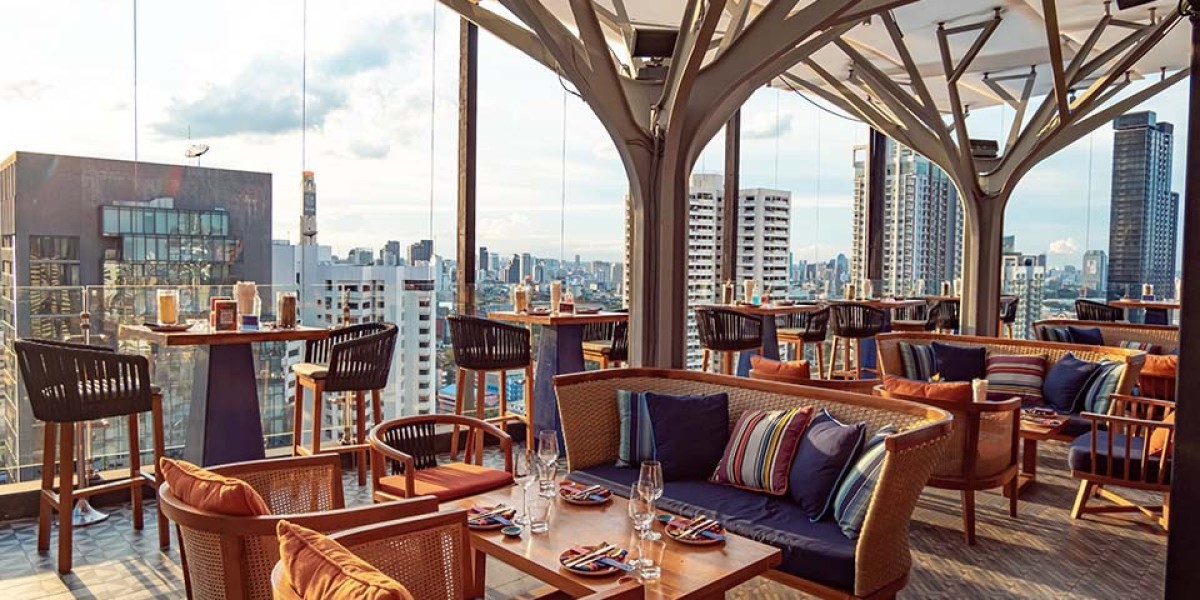

There is a particular kind of hunger that only the sea seems to satisfy. It is not just about eating fish — it is about eating fish that was, until a few hours ago, swimming somewhere out past the breakers. Anyone who has spent an evening at one of the many Wattala hotels lining Sri Lanka’s western coast knows this feeling well: the salt air mixing with the smell of grilled prawns, the gentle clatter of cutlery against plates, and that first bite of something so fresh it almost tastes like the ocean itself decided to cooperate with the chef.
Coastal dining is not a trend. It is older than restaurants themselves. Long before menus and tasting courses existed, fishing communities built their entire culinary identity around what the tide brought in that morning. Today, that same principle still drives the best seafood experiences, and it is why so many travellers and locals alike go out of their way to eat near the water rather than settle for whatever arrives frozen and vacuum-sealed three towns inland.
Why Proximity to the Sea Actually Matters
It is tempting to think that fish is fish, no matter where you eat it. But anyone who has compared a piece of tuna served at a coastal shack to the same cut served a hundred kilometres away will tell you there is no comparison. The difference comes down to time. Seafood begins losing its texture and flavour almost immediately after it leaves the water. Enzymes break down proteins, bacteria multiply, and the delicate balance of moisture and firmness that makes good seafood good starts to shift the moment the catch hits the deck.
Restaurants situated along the coast have a built-in advantage here that no amount of clever marketing or fancy plating can replicate inland: they simply don’t need to wait. A boat docks, a basket of crabs or cuttlefish gets carried straight to the kitchen, and within hours it is on someone’s plate. There is no warehouse storage, no long-haul refrigerated truck, no days spent sitting in an ice box waiting for distribution schedules to align. That shortened journey from net to kitchen is the entire secret, and it is a secret that is surprisingly hard to fake.
Chefs who work near fishing harbours often talk about how this changes their entire approach to cooking. When you know the prawns arrived an hour ago, you don’t need heavy sauces or elaborate seasoning to mask staleness. You can let the ingredient speak for itself — a touch of garlic, a squeeze of lime, maybe a few curry leaves crackling in hot oil. The simplicity is not laziness; it is confidence. A cook who trusts their ingredients does not need to hide behind technique.
The Ripple Effect on Local Communities
Coastal dining does not just benefit diners. It sustains entire local economies in ways that are easy to overlook when you are simply enjoying a meal with a view. Fishermen who know their catch will be bought fresh, often the same day, have more reliable income than those who depend on selling to distant markets where prices fluctuate based on storage and transport costs. Small family-run kitchens spring up near harbours precisely because the supply chain is short enough that even modest operations can compete with larger establishments.
This is part of why searching for family restaurants near me along the coast tends to turn up such a wonderful mix of options — unpretentious spots run by people who grew up around boats and nets, serving food the way their grandparents did, just a few steps from where the fish was unloaded. These places rarely need elaborate branding. Word of mouth does the work, because once someone tastes a curry made with fish caught that morning, they tend to come back, and they tend to bring friends.
There is also something to be said for the rhythm of these communities. Markets open early, often before sunrise, and the energy of fishermen returning with their catch sets the tone for the entire day. Restaurants built around this rhythm are not just serving food — they are participating in a cycle that has been repeating for generations, adapting just enough to meet modern tastes without losing the essence of what made coastal cooking special in the first place.
Planning a Stay Around the Coast
For travellers thinking about extending their visit beyond a single meal, the appeal of staying near the water goes well beyond seafood. Waking up to the sound of waves, having breakfast on a veranda overlooking the shoreline, and being able to walk to dinner rather than drive — these small comforts add up. Many visitors comparing Wattala hotel rooms prices find that coastal accommodation often delivers more value than expected, especially when factoring in proximity to fresh markets, beach access, and the kind of unhurried atmosphere that is hard to manufacture in a city hotel.
Budget travellers and families alike tend to appreciate that staying close to the coast means meals become part of the experience rather than a logistical chore. Instead of hunting for decent food in an unfamiliar inland neighbourhood, the options are often just a short stroll away, with the added bonus of ocean breezes and sunset views thrown in for free.
Celebrations Where the Sea Meets the Table
It is no coincidence that so many couples and event planners are drawn to the coastline when choosing where to host their special occasions. The combination of natural beauty and exceptional food creates an atmosphere that is difficult to recreate indoors. Increasingly, people searching for outdoor wedding venues are drawn to coastal properties precisely because they can offer both the scenic backdrop and a catering experience built around genuinely fresh seafood, rather than something trucked in and reheated for the occasion.
There is a certain magic in watching the sun dip below the horizon while guests enjoy a meal sourced from the very water glittering in front of them. It transforms a wedding dinner from a logistical necessity into a memorable part of the celebration itself. Caterers who work regularly with coastal venues often build their menus around what is seasonally and locally available, which means every event ends up with its own unique character depending on what the sea provided that week.
A Simple Truth Worth Remembering
At its core, the freshness advantage of coastal dining is not complicated. It is simply about distance — both in miles and in time. The shorter the journey from ocean to table, the more honest the flavour. That honesty is what keeps people coming back to small seaside kitchens, what keeps fishing communities thriving, and what makes a coastal meal feel different from any other dining experience, no matter how skilled the chef inland might be.
So, the next time you find yourself near the coast, skip the temptation to settle for something familiar and convenient. Walk toward the smell of grilled fish, follow the sound of waves, and trust that what lands on your plate carries the kind of freshness that simply can’t be replicated anywhere else.