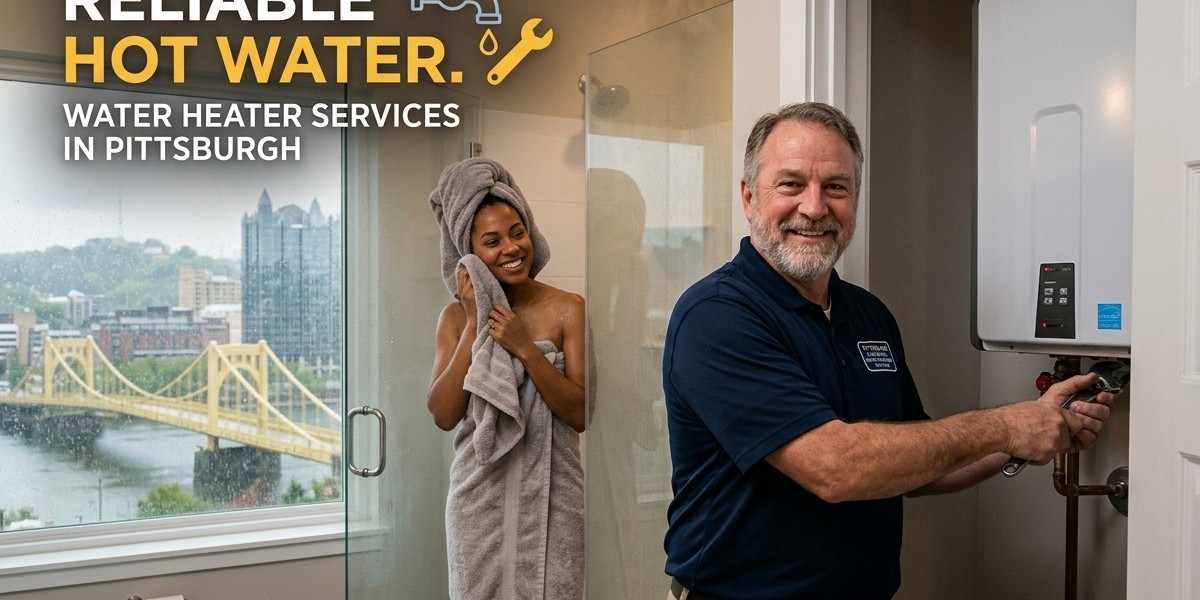

Reliable access to hot water is a necessity for every home, but in Pittsburgh, the unique demands of older residential infrastructure and seasonal temperature shifts make proper water heater maintenance and timely water heater repair critical. Whether you are dealing with a sudden lack of hot water or suspect your aging unit is nearing the end of its lifespan, understanding how to manage your water heater installation can save you from unexpected costs and significant property damage.
Common Water Heater Challenges in Pittsburgh
Pittsburgh’s housing stock often features historic plumbing layouts and varying water quality, which can contribute to specific issues:
Sediment Buildup: Over time, minerals settle at the bottom of the tank, creating a layer that forces the heating element to work harder. This leads to rumbling or popping noises, reduced efficiency, and higher energy bills.
Corrosion and Rust: Older plumbing systems and fluctuating water conditions can accelerate internal corrosion. If you notice rust-colored water coming from your taps, it often signals that the tank’s lining has deteriorated or the anode rod has failed.
Component Failure: Electric heating elements, gas pilot lights, and thermostats are common points of failure, especially in units approaching or exceeding their 8–12 year average lifespan.
Leaks: Pooling water around the base of the tank is a serious warning sign. While some leaks originate from loose fittings or a faulty pressure relief valve, moisture leaking directly from the tank body typically indicates internal corrosion, requiring immediate professional assessment.
When to Repair vs. Replace
Deciding between a water heater repair and a full system water heater replacement depends on the age and condition of your unit.
Opt for Repair If: The issue is a minor component failure, such as a faulty thermostat, a loose valve, or a malfunctioning heating element. These are often straightforward, cost-effective fixes for a qualified technician.
Plan for Replacement If: Your unit is more than 10 years old, experiencing frequent and recurring breakdowns, or if there is visible evidence of internal tank corrosion (such as pooling water or chronic rusty water). Modern, high-efficiency replacements including tankless water heaters often provide significant savings on utility bills and better reliability.
The Importance of Professional Care
While some basic maintenance, such as checking your circuit breaker or resetting a pilot light, can be handled by homeowners, complex plumbing work should always be managed by licensed professionals.
Experts in the Pittsburgh area can help you navigate the transition from a traditional tank to a modern system, ensuring that the water heater installation meets current city and state building codes. When selecting a service provider, prioritize firms that offer:
Transparent Pricing: Clear estimates before any work begins.
24/7 Emergency Support: Vital for preventing major water damage during critical failures.
Comprehensive Assessment: A thorough evaluation of your current system’s health to determine the most cost-effective path forward.
Do not wait for a complete system failure to address your water heater’s performance. By staying proactive with annual water heater maintenance and addressing minor issues early, you can extend the life of your unit and ensure your home’s hot water supply remains consistent and safe.