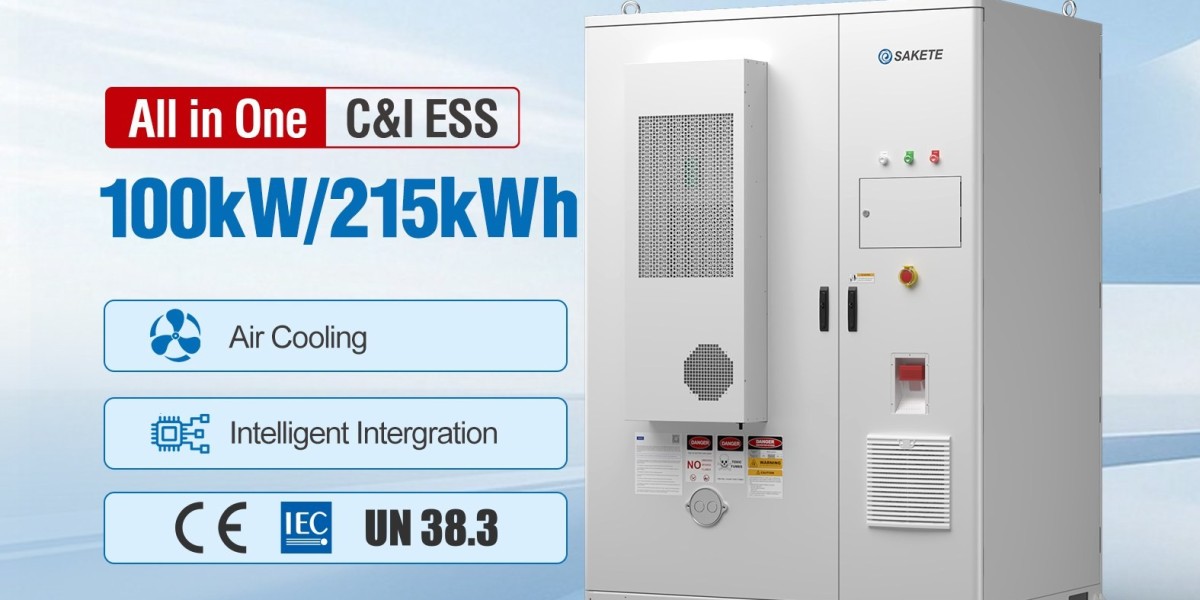

A 1MWh energy storage system attacks the demand charge directly. During the hours when the factory's power draw spikes — typically 2 PM to 6 PM for manufacturing facilities — the battery discharges stored energy to cover the load, shaving the peak that the utility meter records. The factory still consumes the same total energy, but its measured peak demand drops from 500kW to 350kW, saving roughly $2,250 per month on demand charges alone.
How the Savings Stack Across Three Revenue Mechanisms
Peak Shaving: The Largest Single Saving
Peak shaving with a 1MWh energy storage system works because utility demand charges are calculated on the highest 15-minute interval in the entire billing cycle. A factory that hits 500kW for exactly 15 minutes during a motor startup surge pays demand charges on 500kW for the entire month. The battery absorbs that surge, capping the utility-measured peak at the battery's discharge capacity minus the factory's baseline load. A 125kW discharge rate reduces a 500kW peak to 375kW — a 25% reduction that translates dollar-for-dollar into demand charge savings.
The per-kilowatt demand charge varies by utility territory. In California's PG&E service area, commercial demand charges run $15-25 per kW. In Germany, industrial demand charges exceed €100 per kW annually. The 1MWh energy storage system savings scale proportionally: higher demand charges produce faster payback.
Time-of-Use Energy Arbitrage
Many utilities now charge different energy rates by time of day. A factory paying 0.06/kWh at midnight and 0.18/kWh at 4 PM can use a 1MWh energy storage system to charge during off-peak hours and discharge during on-peak hours. The 0.12/kWh spread, multiplied by roughly 800kWh of usable daily throughput (assuming 80% depth of discharge from a 1MWh nameplate), produces approximately 96 per day in arbitrage savings — roughly $2,500 per month in a 26-day operating schedule.
Demand Response Program Participation
Grid operators in deregulated markets pay industrial users to reduce load during grid stress events. A 1MWh energy storage system enrolled in a demand response program can earn $30,000-60,000 annually depending on the market and event frequency. These payments are additive to peak-shaving and energy-arbitrage savings because they compensate for capacity that the battery would discharge anyway during peak-rate hours.
A Real Manufacturing Deployment
A plastics injection-molding facility in Ohio operating three shifts with an average load of 380kW and a peak of 620kW deployed a 1MWh energy storage system with a 125kW discharge rate. The facility's demand charge was 18/kW, producing a monthly demand bill of 11,160 before storage. After commissioning, the battery capped measured peak demand at 470kW — a 150kW reduction — lowering the demand bill to 8,460. Combined with time-of-use shifting that saved an additional 1,800 per month, the total monthly savings reached $4,500. The system achieved full payback in just over three years, after which the savings flowed directly to operating margin.
Procurement Considerations for Maximum Savings
Size the Discharge Rate to the Peak-Clipping Target. A 1MWh energy storage system with a 50kW discharge rate saves 750/month at 15/kW demand charges. The same system with 125kW discharge saves $1,875/month under identical rate conditions. The higher-power inverter costs more upfront, but the incremental demand-charge savings typically pay for the upgrade within 18 months in high-demand-charge territories.
Verify Utility Rate Structure Compatibility. Some utilities impose standby charges or minimum demand charges that reduce the effective savings from a 1MWh energy storage system. Request the utility's tariff schedule for commercial storage customers before modeling savings. A rate structure with time-of-use energy pricing but flat demand charges still benefits from energy arbitrage but yields zero peak-shaving savings.
Account for Battery Degradation in the Savings Model. LiFePO4 batteries in a 1MWh energy storage system retain approximately 80% of their nameplate capacity after 6,000 cycles. A financial model that assumes 100% capacity for the full system life overstates savings by 10-15% in years 8-10. Run the savings projection at 90% capacity for years 5-7 and 80% for years 8-10.
Frequently Asked Questions
How much can a 1MWh energy storage system save a factory per month?
A 1MWh energy storage system typically saves $3,000-6,000 per month through a combination of peak shaving (25-35% demand charge reduction) and time-of-use energy arbitrage. Savings vary by utility rate structure, factory load profile, and local demand charges.
What is the difference between demand charges and energy charges?
Energy charges bill per kilowatt-hour consumed. Demand charges bill based on the highest 15-minute average power draw in a billing cycle. A 1MWh energy storage system reduces demand charges by discharging during peak draw periods but does not change total energy consumption.
How does time-of-use arbitrage work with a 1MWh storage system?
A 1MWh energy storage system charges from the grid during low-rate off-peak hours (typically midnight to 6 AM) and discharges during high-rate on-peak hours (2 PM to 8 PM). The price spread between these periods generates savings without reducing total energy usage.
How long does it take for a 1MWh storage system to pay for itself?
In territories with demand charges above $15/kW, a 1MWh energy storage system typically achieves payback in 3-5 years from demand-charge and energy-arbitrage savings alone. Adding demand-response program revenue can shorten payback to 2.5-3 years in favorable markets.
Does a 1MWh system reduce total electricity consumption?
A 1MWh energy storage system does not reduce kilowatt-hours consumed. It shifts when energy is drawn from the grid to reduce demand charges and take advantage of lower off-peak rates. Total energy consumption remains unchanged.
What type of factories benefit most from a 1MWh storage system?
Factories with sharp load spikes (motor starts, shift changes) and demand charges above $10/kW benefit most from a 1MWh energy storage system. Continuous-process facilities with flat load profiles see lower savings because the peak-to-average load ratio is smaller.