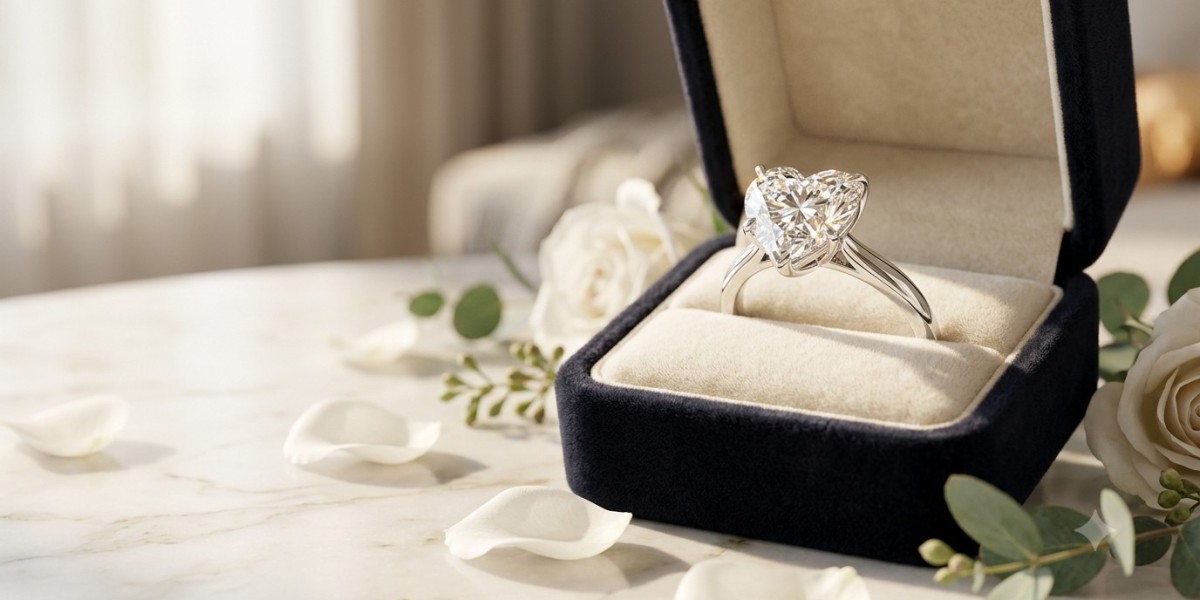

Choosing an engagement ring is one of the biggest decisions you'll make as a couple. While round diamonds have remained the classic choice for decades, more couples are looking for rings that tell a personal story. That's why the heart shaped ring has become one of the most meaningful engagement ring styles in 2026.
A heart-shaped diamond is more than just a beautiful gemstone. It symbolizes love, commitment, and individuality. Its romantic silhouette makes it a favorite among couples who want an engagement ring that stands out while expressing deep emotion.
But is a heart-shaped ring the right choice for you? Like every diamond shape, it comes with unique advantages and a few considerations. This guide explains everything you need to know before making your decision.
Why Heart Shaped Diamonds Stand Out
Unlike traditional diamond cuts, the heart shape immediately captures attention. It blends brilliant sparkle with unmistakable symbolism, making it one of the most expressive engagement ring choices available.
Symbolic Meaning and Romance
The heart has represented love for centuries. Wearing a heart-shaped diamond isn't just about style—it reflects the emotional bond between two people.
Many couples choose this shape because it represents:
- Everlasting love
- Romance and commitment
- Individuality
- A memorable proposal
- A fairytale-inspired aesthetic
As engagement ring trends continue evolving, more buyers are moving beyond traditional round diamonds toward fancy shapes that better reflect their personalities. Heart-shaped diamonds have benefited from this shift, especially among younger couples looking for something unique.
Instead of following tradition, they're choosing rings that tell their own love story.
Visual Impact and Brilliance
One reason heart-shaped diamonds remain popular is their impressive sparkle.
A well-cut heart diamond features brilliant-cut facets similar to a round brilliant diamond, allowing it to reflect light beautifully.
Compared with other fancy shapes:
| Shape | Sparkle | Appearance |
|---|---|---|
| Round | Highest brilliance | Classic |
| Heart | Excellent fire | Romantic |
| Oval | Bright sparkle | Elegant |
| Pear | Strong brilliance | Modern |
Another advantage is visual size.
Because of its wider spread, a heart-shaped diamond often appears larger than a round diamond of the same carat weight. Buyers can enjoy a bigger-looking center stone without increasing their budget significantly.
The Trade-offs of Choosing a Heart Cut
Every diamond shape has strengths and weaknesses, and heart diamonds are no exception.
Understanding these factors helps you make a confident purchase.
Precision and Symmetry Matter
Heart diamonds are among the most difficult shapes to cut perfectly.
Even tiny imperfections become noticeable because our eyes naturally recognize symmetry.
A high-quality heart diamond should have:
- Even, rounded lobes
- A centered cleft
- A straight, balanced point
- Equal proportions on both sides
Watch for the Bow-Tie Effect
Like oval and pear diamonds, heart-shaped stones can display a bow-tie effect.
This appears as a dark shadow across the center of the stone.
A slight bow tie is normal.
However, if the dark area is large or noticeable in normal lighting, it reduces the diamond's brilliance.
Always view the diamond under different lighting before purchasing.
Expert Tip
Pay close attention to the cleft—the indentation at the top of the heart.
If it isn't perfectly centered, the diamond may appear uneven, even if the grading report is excellent.
Maintenance and Durability Risks
Heart-shaped diamonds feature a pointed tip, making them slightly more vulnerable than round diamonds.
Without proper protection, the point can chip if struck against a hard surface.
Protecting the Point
Jewelry experts recommend choosing settings that include:
- V-prongs
- Double claw prongs
- Protective bezels
These designs help shield the most delicate part of the diamond.
Common Repair Issues
Professional jewelers often see repairs involving:
- Bent prongs
- Chipped points
- Loose center stones
- Worn settings after years of daily wear
Fortunately, choosing a secure setting dramatically reduces these risks.
Finding the Perfect Balance in Setting and Style
The setting plays an even bigger role for heart-shaped diamonds than for many other cuts.
A good setting improves both beauty and durability.
Best Settings for Maximum Security
V-Prong Setting
The V-prong is considered the gold standard.
Benefits include:
- Protects the pointed tip
- Keeps the diamond secure
- Minimal metal covering the stone
- Maintains maximum sparkle
Bezel Setting
Modern brides increasingly choose bezel settings.
Advantages include:
- Outstanding protection
- Sleek contemporary appearance
- Comfortable for everyday wear
- Lower maintenance
This style works especially well for active lifestyles.
Gold vs. Platinum
Choosing the right metal also matters.
White Gold
- Bright appearance
- Affordable
- Requires occasional rhodium plating
Yellow Gold
- Warm vintage style
- Makes colorless diamonds stand out
- Timeless elegance
Rose Gold
- Romantic look
- Soft feminine appearance
- Popular for heart-shaped rings
Platinum
- Extremely durable
- Naturally white
- Excellent for protecting delicate settings
- Ideal for everyday engagement rings
Pairing with Band Styles
The right band enhances the unique outline of the heart.
Minimalist Bands
Simple bands allow the center diamond to become the focus.
This style creates an elegant, timeless appearance.
Halo Settings
Halo designs remain popular because they:
- Make the center stone appear larger
- Increase sparkle
- Add protection around the edges
- Create extra brilliance
Side-Stone Bands
Adding small diamonds along the band balances the wider top of the heart shape.
This creates a more proportional appearance while increasing overall sparkle.
Smart Buying Tips for Heart Diamonds
Buying a heart-shaped diamond requires paying close attention to quality.
Unlike round diamonds, not every grading report tells the whole story.
Understanding the Four Cs
Cut
Cut quality is the most important factor.
A poorly cut heart loses sparkle and symmetry.
Always prioritize Excellent or Very Good craftsmanship whenever possible.
Color
Heart diamonds tend to hide slight body color better than some other fancy cuts.
For most buyers:
- D–F: Colorless
- G–H: Excellent value
- I–J: Good budget option in yellow or rose gold
Clarity
Many inclusions naturally hide within the rounded lobes.
Eye-clean diamonds in the VS1, VS2, or SI1 range often provide excellent value.
Carat
Heart diamonds generally look larger than round diamonds of equal weight.
That means buyers can often choose a slightly lower carat while achieving the same visual impact.
Budgeting and Value Retention
Heart diamonds typically cost less per carat than round brilliant diamonds.
This makes them attractive for buyers seeking maximum visual size.
Typical pricing comparison:
| Shape | Relative Price |
|---|---|
| Round Brilliant | Highest |
| Heart | Moderate |
| Oval | Moderate |
| Pear | Moderate |
The savings can often be invested in:
- Better cut quality
- Higher clarity
- Larger carat size
- Premium setting
Lab-Grown vs. Natural Heart Diamonds
In 2026, lab-grown diamonds continue gaining popularity.
They offer:
Lab-Grown Diamonds
- Same physical and chemical properties
- Outstanding value
- Larger diamonds for the same budget
- Sustainable production
Natural Diamonds
- Formed over billions of years
- Traditional choice
- Higher purchase price
- Greater rarity
Both options are real diamonds, so the decision usually depends on budget and personal preference.
Making the Final Decision
A heart-shaped engagement ring isn't for everyone—and that's exactly what makes it special.
Ask yourself these questions:
- Do you enjoy unique jewelry?
- Do you appreciate romantic symbolism?
- Are you comfortable wearing a ring that attracts attention?
- Will you choose a protective setting for daily wear?
- Does the shape reflect your personality more than a traditional round diamond?
If you answered "yes" to most of these questions, a heart-shaped ring could be the perfect engagement choice.
On the other hand, buyers who prefer timeless simplicity or understated elegance may feel more comfortable with round, oval, or emerald cuts.
At the end of the day, trends come and go. The best engagement ring is the one that reflects your relationship and feels meaningful every time you wear it.
A heart shaped ring combines romance, sparkle, and individuality in a way few other diamond shapes can. When selected with excellent symmetry, a secure setting, and the right quality, it becomes a beautiful symbol of love that can be treasured for a lifetime.
Frequently Asked Questions
Is a heart shaped ring good for an engagement?
Yes. A heart-shaped ring is a meaningful engagement choice that symbolizes love, romance, and commitment while offering a unique alternative to traditional diamond shapes.
Are heart-shaped diamonds more expensive?
No. Heart-shaped diamonds usually cost less per carat than round brilliant diamonds, making them a great value.
Is a heart-shaped diamond durable?
Yes, but its pointed tip needs protection. A V-prong or bezel setting helps prevent chips during everyday wear.
What is the best setting for a heart-shaped ring?
A V-prong setting is considered the best because it protects the pointed tip while maximizing sparkle.
Should I buy a lab-grown heart-shaped diamond?
If you want a larger, high-quality diamond within your budget, a lab-grown heart-shaped diamond is an excellent choice. It has the same beauty and durability as a natural diamond.