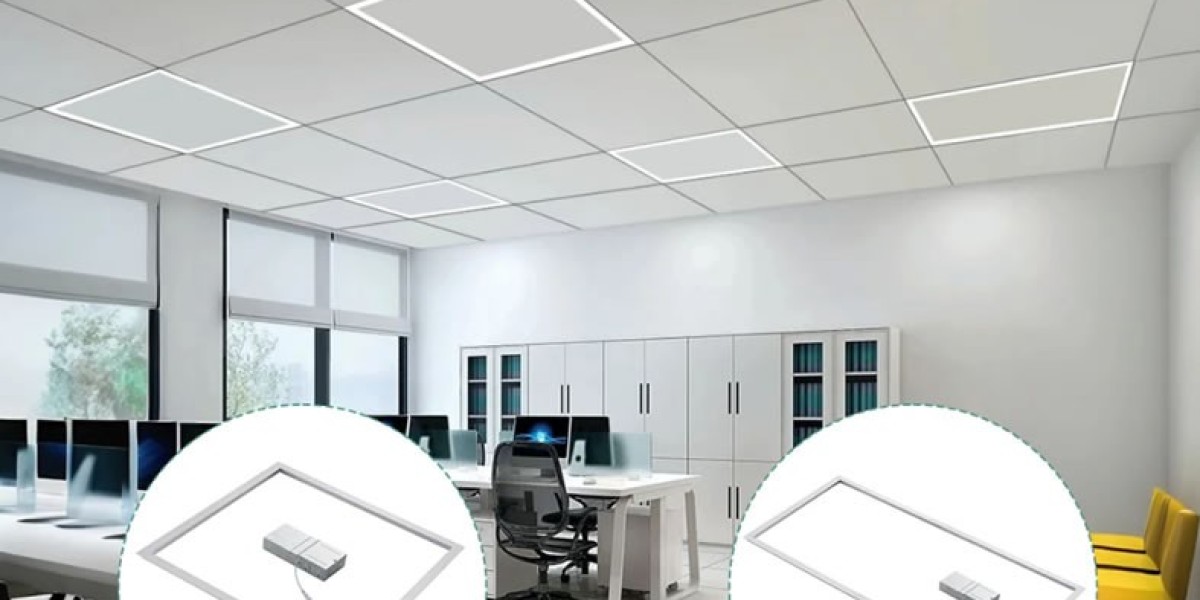

We can hear the same promise: Led DownLight last for years. But what does that actually mean? Five years? Ten or Forever?
If you've ever replaced a bulb sooner than expected, you know the answer isn't always straightforward. So let's break it down properly. We'll look at how long do Led Down Light last, what affects their lifespan, and when it's time to replace them.
How Long Do Led DownLight Last?
Here's the short answer: most Led Down Light last between 25,000 and 50,000 hours. Now let's translate that into real life. If you use a light for:
3 hours a day → it can last 20 years or more
5 hours a day → around 13–15 years
8 hours a day → roughly 8–10 years
That's much longer than traditional bulbs. Incandescent bulbs usually last around 1,000 hours. CFLs last around 8,000 hours. LEDs clearly win the durability game. But LEDs don't usually "burn out" like old bulbs. Instead, they gradually dim over time.
When an LED reaches about 70% of its original brightness, it's considered at the end of its lifespan. That point is often called the L70 rating. So when someone asks, how long do Led Down Light last, the real answer depends on how you use them.
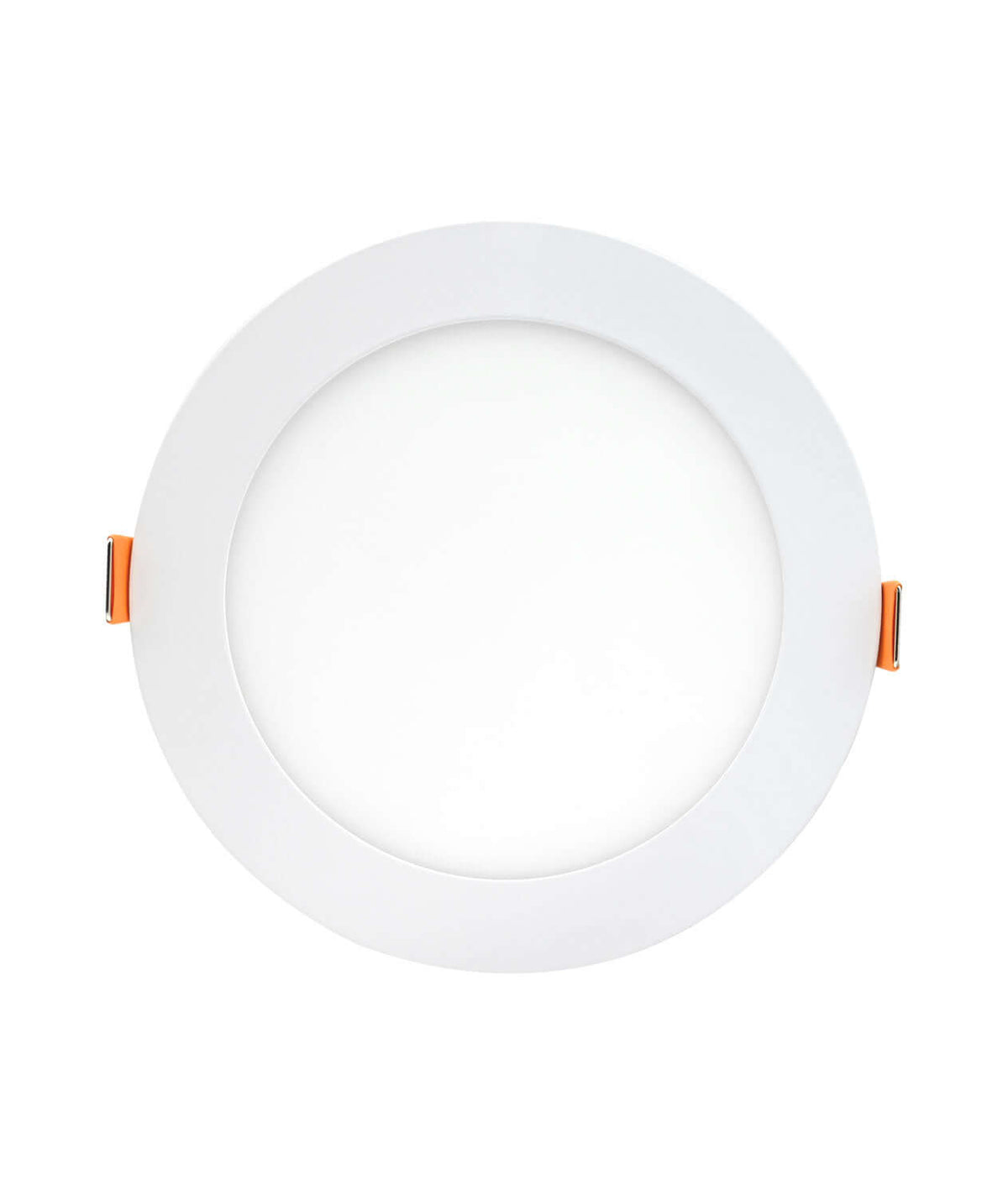
What Affects LED Lifespan?
LEDs are efficient and tough, but they're not unbeatable. A few key factors decide whether your light lasts 5 years or 15.
1. Chip Heat
Chip Heat is the biggest enemy of Led DownLight. LEDs don't produce as much heat as old bulbs, but they still generate some. If the heat doesn't escape properly, it damages the internal components. Closed fixtures without ventilation can trap heat.
That's why using LED bulbs inside tight ceiling fixtures or enclosed decorative fittings without checking compatibility can shorten their life. If you're using a lamp or enclosed drum shades, make sure the bulb is rated for enclosed spaces.
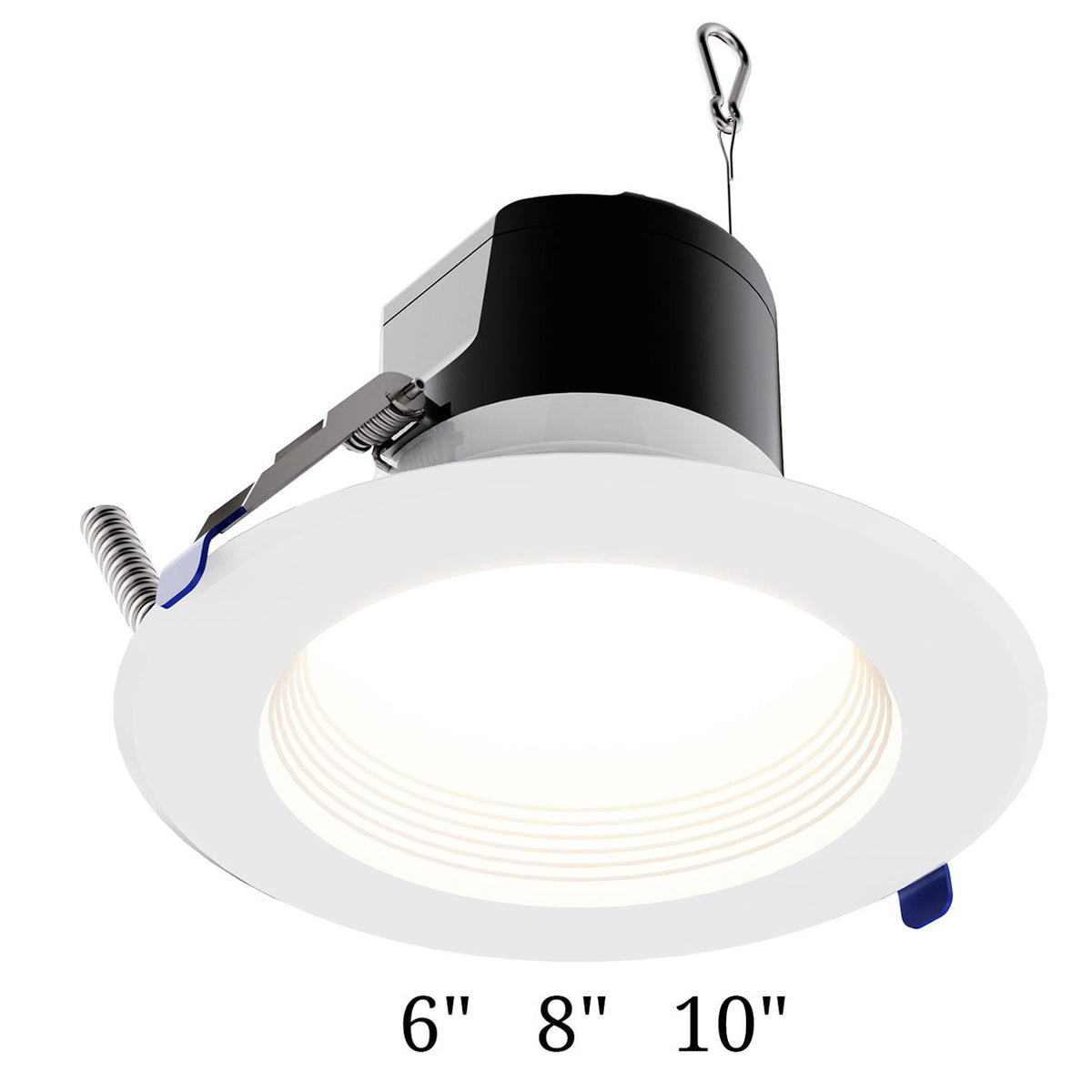
2. Quality of the Bulb
Not all LEDs are built the same. Cheap bulbs often use lower-grade drivers and components. The driver is the part that regulates power. If it fails, the bulb fails. A high-quality LED from a trusted manufacturer may cost slightly more upfront, but it usually lasts far longer.
3. Voltage Fluctuations
Frequent power surges or unstable voltage can damage LED drivers. This is especially common in areas with an inconsistent electricity supply. Using surge protectors or stabilizers can help extend the lifespan.
4. Usage Patterns
Interestingly, turning LEDs on and off frequently doesn't damage them the way it does with traditional bulbs.
However, keeping lights on for longer hours daily can reduce lifespan over time. If you run a commercial space with lights on 12 to 16 hours a day, you may need replacements sooner.
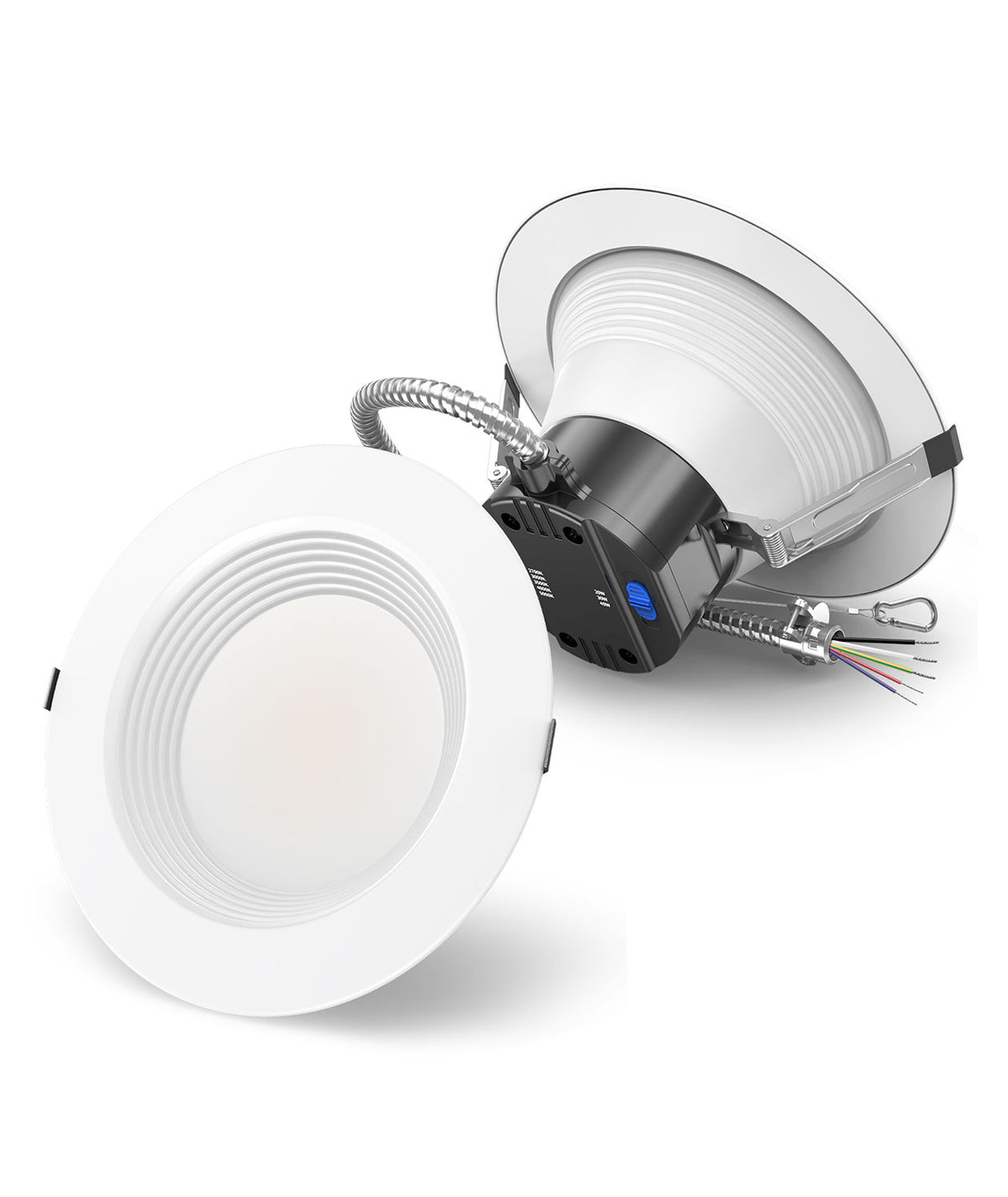
5. Environment
Dust, humidity, and outdoor exposure matter. If you're using LED bulbs inside fixtures in a humid bathroom, make sure they're moisture-rated. Outdoor LEDs should also have proper IP ratings.
Do Lamp Shades Affect LED Lifespan?
You might not think about it, but yes, they can. Certain decorative fittings can trap heat or affect airflow. For example:
Dark-colored or dense graphic shades may absorb more heat compared to lighter materials.
On the other hand, open or well-ventilated drum shades usually allow better airflow. The key is simple: ensure there's some space for heat to escape. LEDs love cool conditions.
Signs It's Time to Replace an LED
LEDs don't usually fail suddenly, but they give signals. Here's what to watch for:
Noticeable Dimming: If your room feels less bright than before, even though the bulb hasn't stopped working, it may be nearing the end of its rated life.
Constant Flickering: Occasional flickering could mean a loose connection. But consistent flickering often points to driver failure.
Color Changes: If a warm white LED starts looking yellowish or uneven, internal components may be degrading.
Delayed Startup: LEDs normally light up instantly. If there's a delay, something inside isn't functioning properly.
Replacement Tips for Led DownLight
Dispose of Properly: LEDs don't contain mercury like CFLs, but they still have electronic components. Recycle them responsibly if possible.
Check Fixture Compatibility: If your bulb sits inside decorative wall shades or enclosed fittings, check whether the LED is rated for enclosed use.
Choose the Right Wattage: LED wattage looks smaller because it's more efficient. A 9W LED can replace a 60W incandescent bulb. Always check lumens instead of watts for brightness comparison.
Match Color Temperature: Replacing a warm white bulb with a cool white one can completely change the mood of a room. For cozy spaces with white shade setups or living room lamps, warm white (2700K–3000K) usually works best.
Are LEDs Worth It in the Long Run?
Absolutely. Even if you replace them after 8 to 10 years, the energy savings alone usually cover the cost many times over. LEDs:
Produce less heat
Reduce electricity bills
Require fewer replacements
Use up to 80% less energy than incandescent bulbs
That means less hassle, fewer trips to the hardware store, and lower maintenance costs.
Final Thoughts
So, how long do Led DownLight last? In most homes, a good-quality LED can easily last a decade or more. But lifespan depends on heat, quality, usage, and fixture design. If you use proper fittings, allow ventilation around your floor and avoid poor-quality bulbs.
If you do so, you'll get the full benefit of LED technology. The bottom line is simple. LEDs are built for longevity. Treat them right, and they'll quietly do their job for years without demanding attention. And honestly, that's exactly what good lighting should do.
FAQs
1. How long do led Down Light last in a home?
Most last between 25,000 and 50,000 hours, which can mean 10 to 20 years in typical use.
2. Do Led Down Light burn out suddenly?
Usually no. They gradually dim over time instead of failing instantly.
3. Can enclosed lamp shades reduce LED lifespan?
Yes, especially if heat gets trapped inside tight fixtures.
4. Is it okay to leave Led Down Light on all day?
Occasionally, yes, but constant long-hour usage can shorten overall lifespan.
5. Are LEDs cheaper in the long run?
Yes. Lower energy use and fewer replacements make them cost-effective over time.