
Hair loss is something most people notice slowly, often only realising how much hair has thinned when they look at old photographs. By the time many people decide to act, they are not sure whether medicine alone will help or whether they need a more permanent solution. This is a common question for people exploring Dutasteride Treatment in Kondapur, and the honest answer depends on how much hair has been lost and how the scalp is responding.
What Is Dutasteride and How Does It Help?
Dutasteride is a medicine that works by reducing the effect of a hormone called DHT, which is one of the main reasons behind male pattern hair loss. When DHT levels around hair follicles are high, hair strands become thinner over time and eventually stop growing altogether. By lowering this effect, dutasteride can help slow down further hair loss and, in many cases, support some regrowth in areas that are still active.
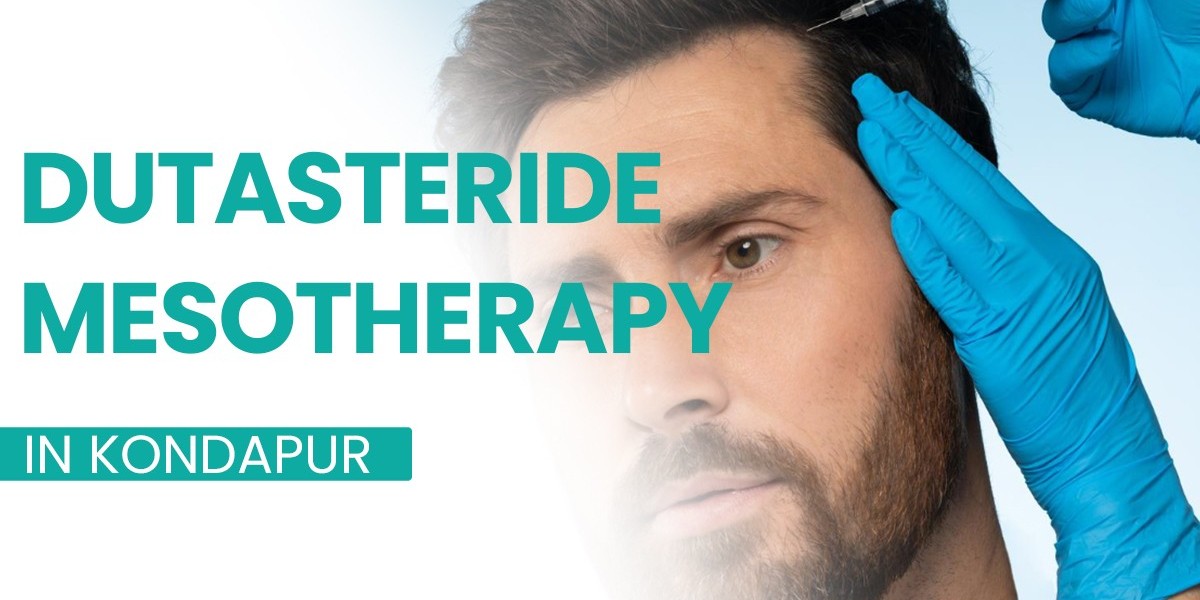
One method used to deliver this medicine is mesotherapy, where small, controlled amounts are applied directly into the scalp rather than taken as a tablet. This allows the treatment to work closer to the hair follicles themselves, which many patients prefer over long-term oral medicine. As with any treatment involving hormones, it should only be taken under proper medical guidance, since it is not suitable for everyone and needs to be monitored by a doctor familiar with your health history.
When Is Medicine Enough, and When Is Surgery Needed?
This is the question Dr. Ashok Kumar hears most often at the clinic. If hair loss is in its early stages and follicles are still alive but weakened, medicine-based treatments like dutasteride can often slow the process and improve hair thickness over months of regular use. However, once a follicle has stopped producing hair completely, no medicine can bring it back. This is the stage where surgery becomes the more realistic option.
For patients exploring Hair Transplant in Kondapur, the procedure involves moving healthy hair follicles from a denser area of the scalp, usually the back of the head, to the areas where hair has thinned or gone bald. Since these follicles are naturally resistant to DHT, they continue to grow normally once transplanted, giving long-term results that medicine alone cannot achieve in advanced baldness.
In many cases, the two approaches actually work well together. A patient may have a hair transplant to restore density in a bald area while continuing on a medicine-based plan to protect and maintain the surrounding hair that is still naturally growing. Dr. Ashok Kumar often explains this combined approach to patients who want both visible results and long-term protection for the hair they still have.
What Happens During a Consultation at the Clinic
At Dr. Kumar's Hair Care Clinic, the process always begins with a close look at the scalp to understand the pattern and stage of hair loss. Family history, age, and overall health are also discussed, since these factors affect how well a person responds to medicine and whether they are a good candidate for surgery. Based on this, a plan is created that may include medicine, a transplant, or sometimes a mix of both spread across a realistic timeline.
Patients are often surprised to learn that results from any hair loss treatment take time to show. Dutasteride-based treatments usually need several months of consistent use before visible improvement is noticed, while transplanted hair follows its own natural growth cycle, with real density becoming visible only after eight to ten months. Setting the right expectations early on helps patients stay patient and consistent with their treatment instead of giving up too soon.
Why Patients in Kondapur Choose This Clinic
Dr. Ashok Kumar has spent years working specifically with hair loss patients, which means the advice given is based on what actually works for the local population rather than generic suggestions. Diet, water quality, stress levels, and even local weather conditions can all play a role in how hair behaves, and this local understanding often makes a real difference in how a treatment plan is designed.
Patients also appreciate that the clinic does not push surgery as the only answer. If medicine and proper scalp care are likely to help, that route is suggested first. Surgery is recommended only when it is genuinely the better option for the stage of hair loss involved.
Taking the First Step
If you have noticed thinning hair and are unsure whether medicine or a transplant is right for you, the best starting point is a proper scalp examination rather than guessing based on what worked for someone else. Visit Dr. Kumar's Hair Care Clinic in Kondapur to get a clear picture of your hair loss stage and a treatment plan suited to your specific scalp and lifestyle. With the right guidance and a bit of patience, visible improvement is possible for most patients, whether through medicine, surgery, or a thoughtful combination of both.